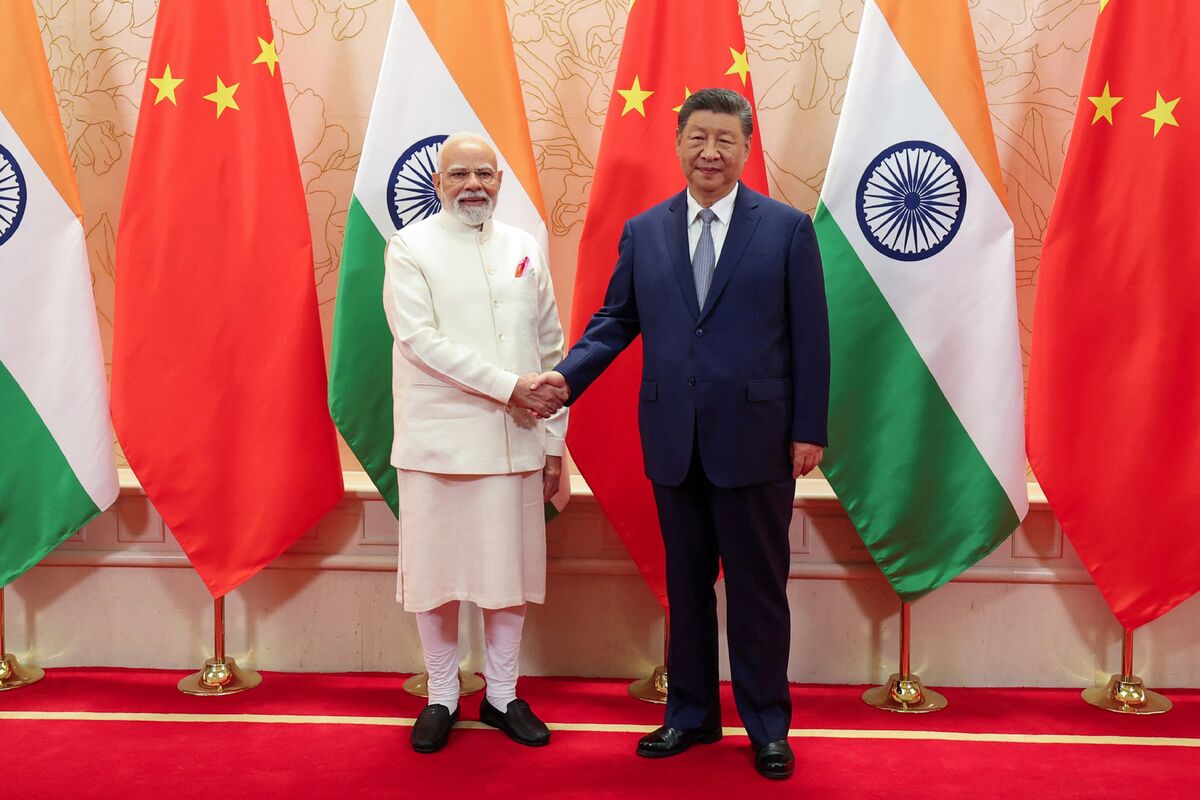
India's Ministry of External Affairs has officially denied a report suggesting a letter from Chinese President Xi Jinping played a role in thawing diplomatic tensions with India, with a spokesman stating the story is "incorrect" without further elaboration. This denial from New Delhi clarifies the nature of recent diplomatic engagement between the two major Asian powers, indicating that the reported specific high-level intervention did not occur or was not a factor in improving relations, which could temper expectations for rapid progress in bilateral ties.
India's Ministry of External Affairs has officially refuted a news report that credited a letter from Chinese President Xi Jinping for a recent thaw in bilateral relations. The ministry's spokesman, Randhir Jaiswal, explicitly stated the story was "incorrect" without further elaboration. This public denial is significant as it dismisses a narrative of personalized, high-level diplomacy acting as a catalyst for de-escalation. For investors, this clarification suggests that the underlying dynamics of the Sino-Indian relationship remain unchanged and are not being driven by such overtures. The neutral sentiment and low market impact score associated with this news indicate that while the event clarifies the diplomatic situation, it does not introduce a new market-moving catalyst. Instead, it reinforces the perception that any improvement in relations will likely be a gradual process, subject to ongoing structural and geopolitical frictions rather than swift breakthroughs.
AI-powered research, real-time alerts, and portfolio analytics for institutional investors.
Request DemoOverall Sentiment
neutral
Sentiment Score
0.00
