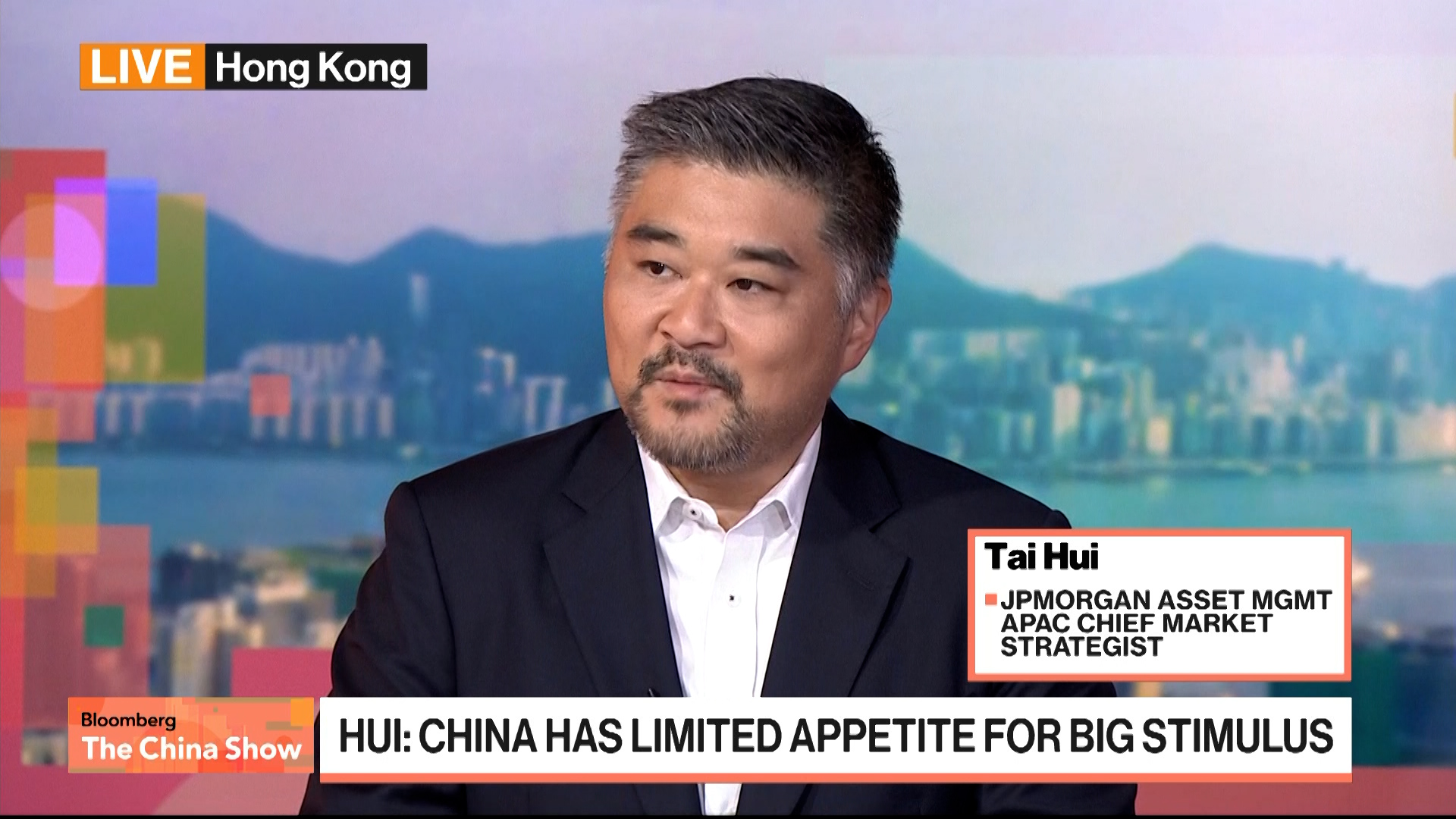
Significant financial developments include a reported future policy requiring Nvidia and AMD to remit 15% of their China AI chip sales to the US starting August 2025, indicating a direct financial impact on major tech firms amid escalating US-China trade tensions. Separately, Citigroup's Chua forecasts the Federal Reserve will resume interest rate cuts in September, a key monetary policy shift expected to influence market liquidity and economic outlook.
The market is processing two distinct and opposing signals, creating a bifurcated outlook. On one hand, a significant and targeted headwind is emerging for the semiconductor sector, specifically for Nvidia (NVDA) and AMD (AMD). A proposed policy, reportedly effective August 2025, would require these firms to remit 15% of their AI chip sales from China to the US government. This represents a direct and material impact on profitability and revenue from a key growth market, signaling an escalation in US-China trade policy beyond simple export controls to direct financial penalties. This development underscores the heightened geopolitical risk embedded in companies with significant China exposure. On the other hand, a potentially bullish macroeconomic catalyst is on the horizon, with a forecast from Citigroup suggesting the Federal Reserve will resume interest rate cuts as early as September. Such a dovish pivot in monetary policy would likely increase market liquidity and could provide broad support for equity valuations, potentially counteracting some of the negative sentiment stemming from the trade-related news.
AI-powered research, real-time alerts, and portfolio analytics for institutional investors.
Request DemoOverall Sentiment
mixed
Sentiment Score
0.00
Ticker Sentiment
