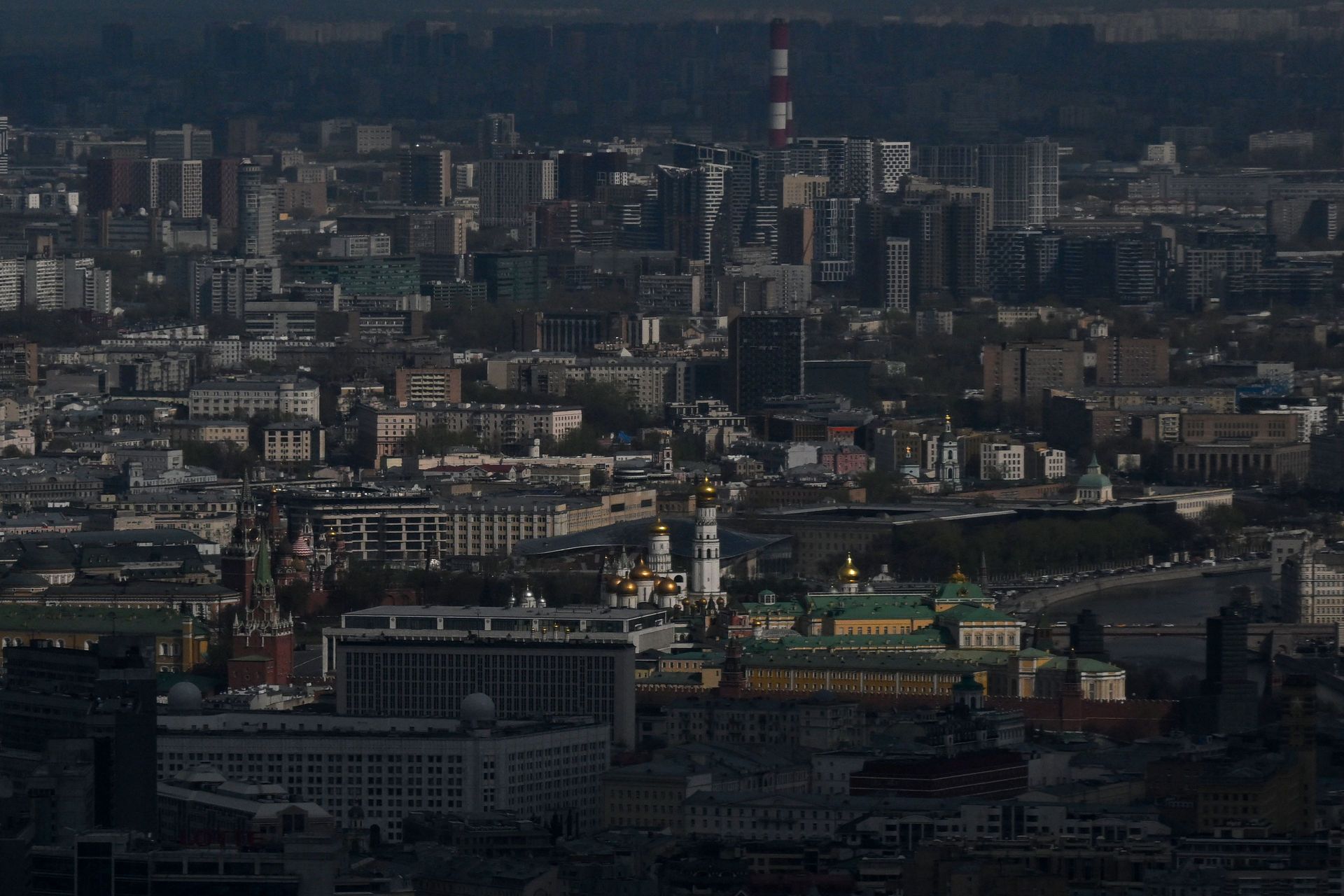
Ukraine conducted extensive drone strikes on Russia overnight on September 23, with Russian authorities reporting 69 unmanned aircraft downed across nine regions, including Moscow and occupied Crimea. The attacks led to temporary airspace closures and airport suspensions in the capital, though no casualties or damage were reported. These unverified strikes, occurring amidst failed peace talks and ongoing Russian targeting of Ukrainian civilian infrastructure, underscore an escalating conflict, potentially heightening geopolitical risk and impacting investor sentiment regarding regional stability and logistics.
The reported large-scale Ukrainian drone strikes on Moscow and nine other Russian regions on September 23, allegedly involving 69 unmanned aircraft, mark a notable escalation in the conflict's geographic scope. While Russian sources claim all drones were intercepted without damage or casualties, the operational impact was tangible, necessitating the temporary closure of Moscow's airspace and suspending airport operations. This event, set against a backdrop of failed peace talks and ongoing Russian strikes on Ukrainian civilian infrastructure, highlights a strategic push by Kyiv to target areas deep within Russia. The moderately negative sentiment score (-0.55) and moderate market impact score (0.55) underscore the heightened geopolitical risk. The disruption to critical transportation infrastructure, even if brief, introduces a new layer of uncertainty for regional stability and logistics, suggesting the economic reverberations of the war are expanding.
AI-powered research, real-time alerts, and portfolio analytics for institutional investors.
Request DemoOverall Sentiment
moderately negative
Sentiment Score
-0.55
