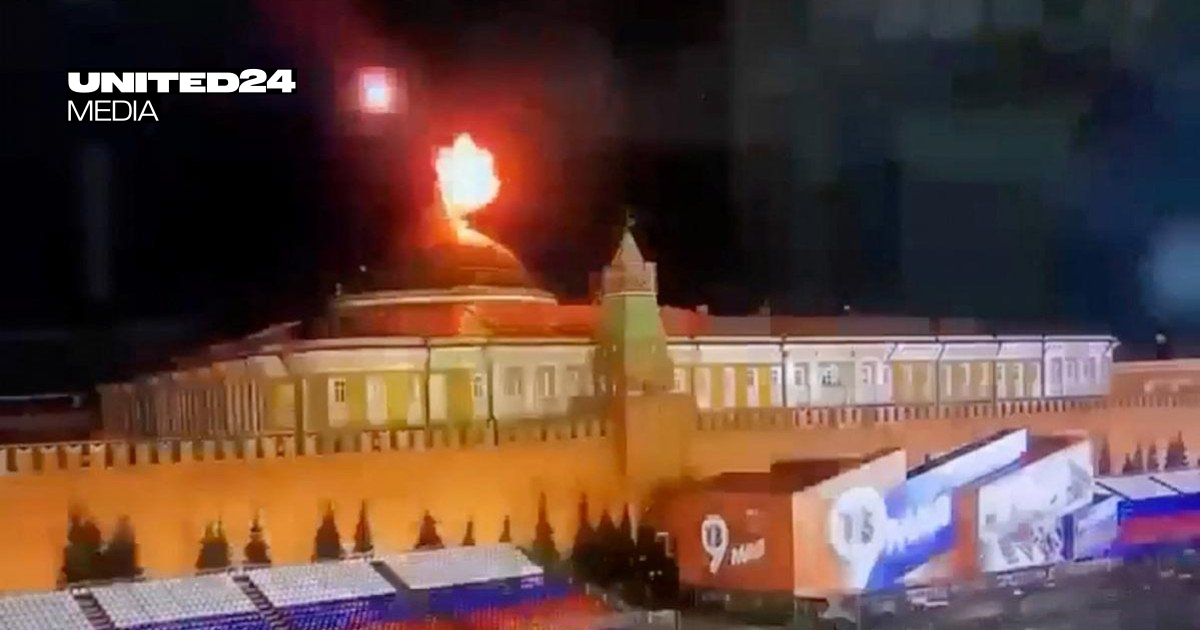
Ukraine’s drone campaign against Moscow escalated to sustained mass attacks, with Russian authorities reporting more than 120 drones intercepted over Moscow and the surrounding region on May 17, 2026 and about 250 drones targeted over three days in March 2026. The strikes have repeatedly hit or threatened oil refineries, technology parks, airports, rail infrastructure, and other strategic assets, forcing airspace closures, airport disruptions, internet restrictions, and heavier Russian air-defense deployments. The article underscores a widening war-related threat to Russia’s capital-region infrastructure and logistics network.
The investable takeaway is not the headline drone count; it is the forced re-pricing of Moscow-region resilience. As the campaign scales, Russia’s marginal defense spend rises faster than its marginal protection value, which is classic attacker’s advantage: each additional drone compels expensively duplicated air-defense, EW, airport shutdowns, and telecom restrictions. That creates a persistent drag on regional productivity and raises the probability of a “defense overhang” where capital is diverted from offensive capacity into domestic shielding.
The second-order pressure is on energy logistics rather than crude supply itself. Repeated refinery/terminal disruption near the capital region can tighten inland product balances, widen local refined-product spreads, and increase rail/road bottlenecks even without a national output shock. The more important market signal is that infrastructure around transport, microelectronics, and airport operations is becoming part of the target set, which should lift perceived risk premia for Russian industrial throughput and lengthen maintenance/insurance cycles across adjacent assets.
Contrarianly, the move may still be underpriced by markets because investors tend to treat drone warfare as episodic news flow rather than a persistent cost curve. If Ukraine can keep sortie cadence high, the compounding effect is operational: more shutdown hours, more air-defense depletion, and more administrative friction for businesses and commuters around Moscow. The key reversal risk is not tactical success by Russia, but a shift in drone economics on either side—if interception rates improve materially or production constraints slow Ukrainian launch volume, the pressure becomes less durable over 1-2 quarters.
AI-powered research, real-time alerts, and portfolio analytics for institutional investors.
Request DemoOverall Sentiment
moderately negative
Sentiment Score
-0.35
