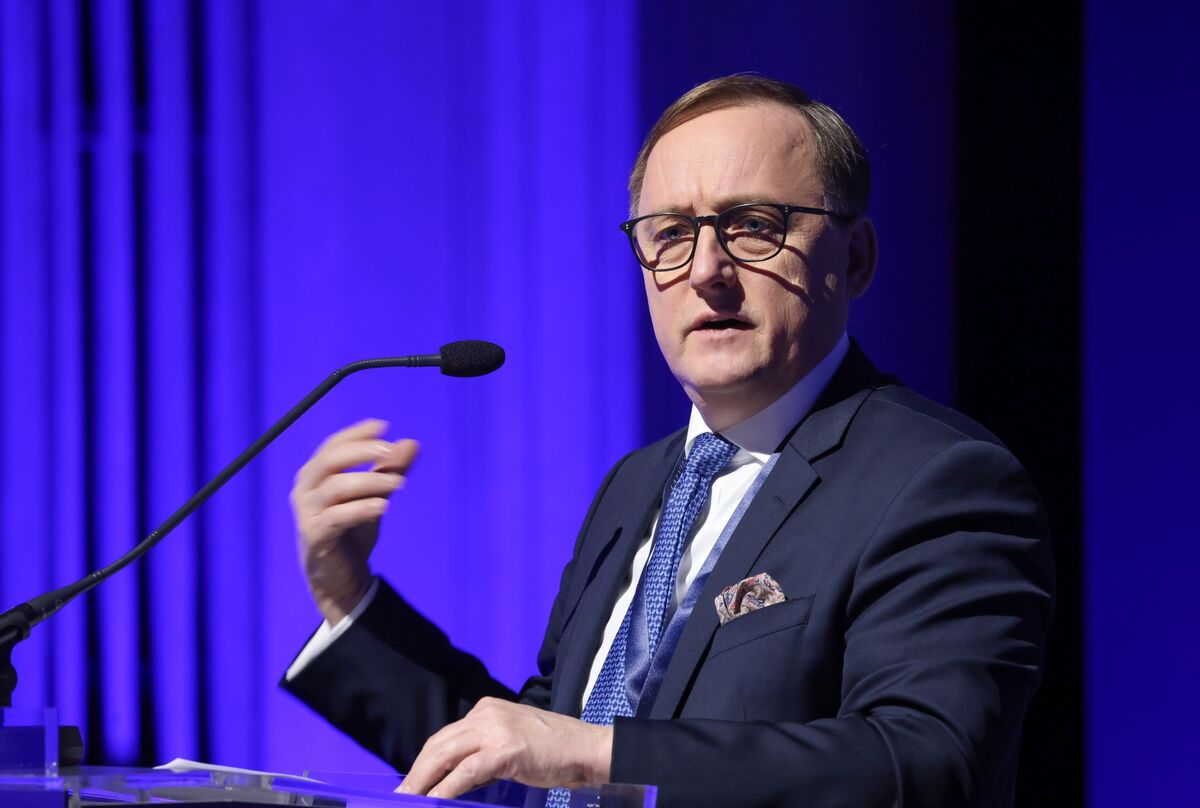
ECB Governing Council member Martins Kazaks stated the European Central Bank has entered a new monetary policy phase focused on economic monitoring rather than active intervention, as inflation is at the 2% target and recent data aligns with June projections. Speaking at Jackson Hole, Kazaks indicated there is currently no need for further interest rate cuts, signaling a stable, 'wait-and-see' approach and implying rates will likely remain at present levels for the near term.
European Central Bank Governing Council member Martins Kazaks has signaled a significant shift in monetary policy towards a data-monitoring phase, effectively pausing the bank's active intervention cycle. This change in stance is predicated on two key factors: inflation has successfully converged to the 2% target, and recent economic data has not materially altered the outlook established in the June quarterly projections. Kazaks' explicit statement from the Jackson Hole symposium that there is "no need to cut interest rates further" provides clear forward guidance, suggesting that the current interest rate level is now considered appropriate and will likely hold for the near term. The stable tone and mildly positive sentiment associated with this news reflect a market preference for predictability, as this "wait-and-see" approach reduces immediate uncertainty surrounding the future path of European rates.
AI-powered research, real-time alerts, and portfolio analytics for institutional investors.
Request DemoOverall Sentiment
mildly positive
Sentiment Score
0.15
