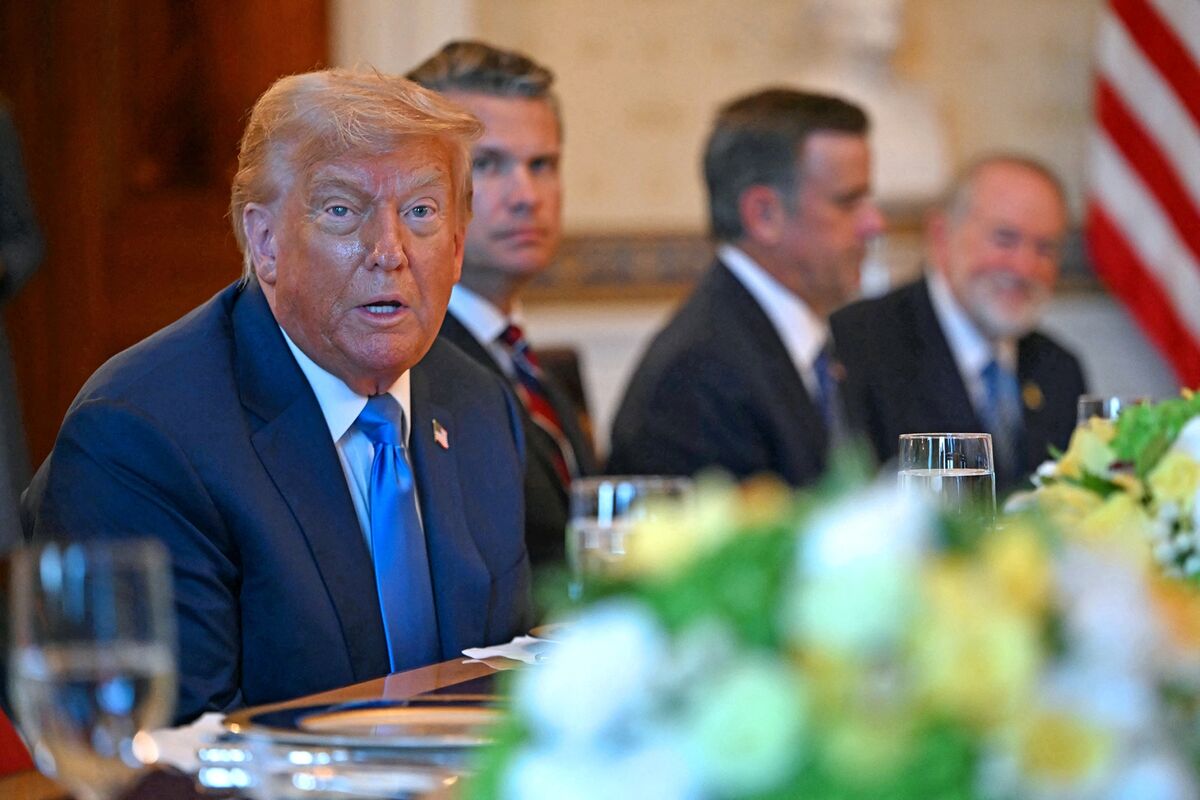
Former President Trump confirmed via Truth Social that the August 1, 2025 deadline for new tariff implementation will not be extended, emphasizing that payments will commence on that date. This definitive statement removes any ambiguity regarding potential delays, signaling a firm trade policy stance and requiring businesses to prepare for increased import costs by the specified deadline.
Former President Donald Trump has issued a definitive statement via his Truth Social platform, confirming that the August 1, 2025 deadline for implementing new tariffs will not be extended. This hawkish communication removes any ambiguity regarding potential delays, forcing market participants to price in the certainty of increased import costs by that date. The market's moderately negative sentiment and the notable impact score reflect concerns over the potential economic drag from these tariffs on corporate margins and consumer prices. The announcement lacks company-specific details, suggesting a broad-based policy risk that will disproportionately affect sectors with high import dependency, such as retail, manufacturing, and technology, compelling them to adjust supply chain and pricing strategies in anticipation.
AI-powered research, real-time alerts, and portfolio analytics for institutional investors.
Request DemoOverall Sentiment
moderately negative
Sentiment Score
-0.55
