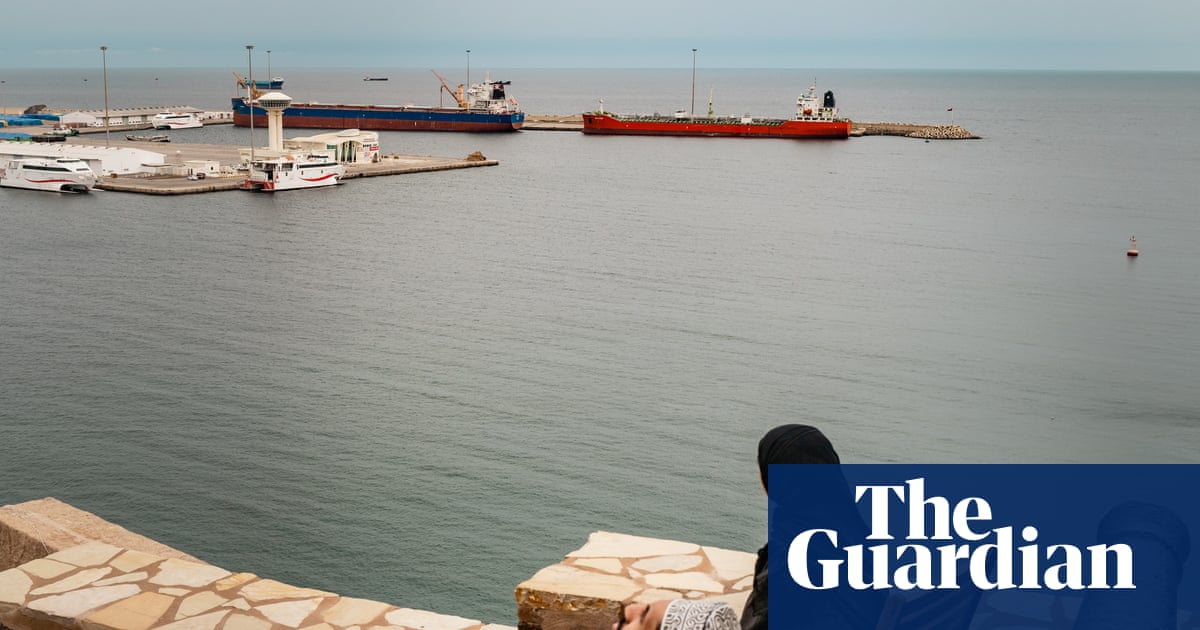
About 2,000 vessels (roughly 20,000 seafarers) remain trapped in the Gulf with Strait of Hormuz transits severely constrained; Iran’s ad hoc traffic control and potential transit fees (up to $2m a ship) are deterring returns. Qatar’s LNG hub suffered ~17% capacity loss with repairs potentially taking 3–5 years, while crude fell to ~$95 from ~$110 and European gas slipped ~20% to <€43/MWh on initial ceasefire hopes—but analysts warn of a persistent geopolitical risk premium and the potential for prices to rebound in May–June. Significant refinery and production damage means months or years may be needed to restore supplies, driving longer-term supply-chain shifts (diversification, higher costs, rerouting via the Cape) that keep energy prices structurally higher.
The maritime logjam and ad hoc traffic controls create a durable bid for tonnage and war-risk insurance via two mechanisms: longer voyage distances (higher fuel burn and idle days) and a persistent premium on owners willing to accept geopolitical transit risk. That combination boosts spot tanker and dry-bulk revenue per-day while compressing throughput for container and roll‑on/roll‑off trades, raising transshipment and inventory carrying costs across supply chains.
Damage to regional refining and liquefaction capacity implies that even if chokepoints reopen, supply elasticity is low in the near-to-medium term because capital repairs and contractor availability are binding constraints. Buyers will price a structural risk premium into crude, refined products and LNG for quarters-to-years, and importers will rationally shift sourcing and inventory strategies — favoring nearby sellers and stored inventory over spot Gulf volumes when adjusting their procurement curves.
Market catalysts are binary and asymmetric: a successful, transparent re‑establishment of neutral traffic control (preferably with third‑party verification) would compress premiums quickly, while any incident that reinstates unilateral control or physical attacks would reprice risk far faster and higher. That asymmetry favors directional trades that monetize persistent elevated spreads (shipping owners, insurers, refiners) while hedging against sudden relief (options structures or pairs).
AI-powered research, real-time alerts, and portfolio analytics for institutional investors.
Request DemoOverall Sentiment
strongly negative
Sentiment Score
-0.70
