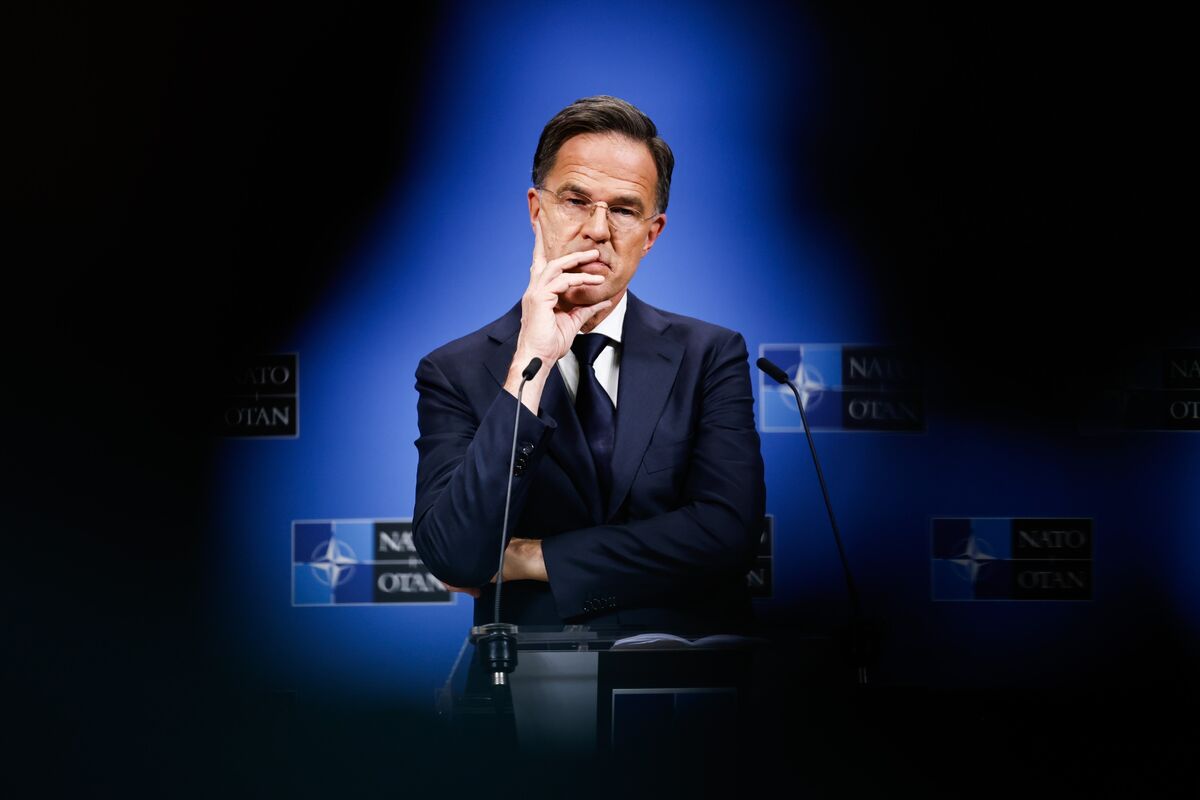
NATO’s European allies and Canada increased defense spending nearly 20% in 2025, adding an estimated $574 billion versus 2024. The rise, driven by responses to Russia and pressure from US President Donald Trump, marks the second consecutive year of large increases and leaves Poland, the Baltic states and several Nordic countries ahead of the US in defense spending as a share of GDP.
The near-term procurement surge will not be a uniform revenue windfall — it front-loads demand for high-throughput items (ammunition, sensors, electronic warfare modules) while creating a multi-year capex cycle for long-lead platforms (ships, aircraft, armored vehicles). Expect 3–12 month margin expansion for commodity suppliers who can scale production quickly, but 18–60 month margin pressure for primes as they absorb higher input costs and invest to expand capacity.
Supply-chain second-order effects will be pronounced: machine-tool makers, specialty steels, high-reliability semiconductors, and test/assembly services gain pricing power and order visibility within 6–24 months. Bottlenecks create an arbitrage where small/mid-cap OEMs with flexible capacity capture outsized margin gains vs larger incumbents encumbered by labor agreements and legacy processes.
Political and budget risk dominates the reversal scenarios. Election cycles, offset/localization demands, and fiscal strain introduce lumpy, binary outcomes — contracts can be accelerated or paused within 90–180 days of political shifts, and export-control changes can re-route demand across suppliers within a single procurement window.
Competitive dynamics favor firms with modular, exportable systems and scalable manufacturing footprints; players heavily exposed to single-platform programs or long commercial-cycle revenue are at risk. The environment will catalyze M&A among European midsized suppliers and force US primes to either invest heavily or farm more work to specialized suppliers, creating tactical acquisition targets and arbitrage opportunities over 12–36 months.
AI-powered research, real-time alerts, and portfolio analytics for institutional investors.
Request DemoOverall Sentiment
mildly positive
Sentiment Score
0.20
