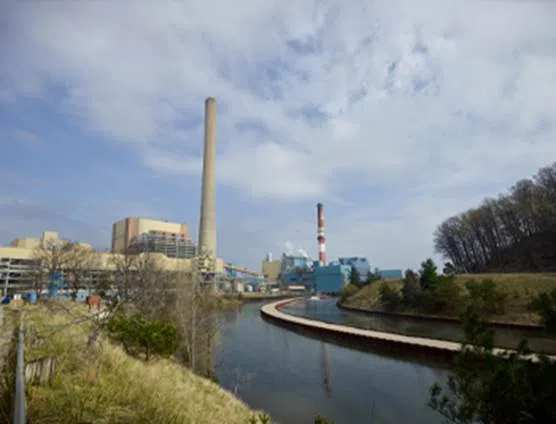
The J.H. Campbell coal-fired power plant is slated to be ordered to keep operating again, despite having been scheduled to close a year ago by Consumers Energy. Attorney General Dana Nessel says the continued operation is based on a 'made-up energy emergency' and is costing families and businesses about $620,000 per day. The issue highlights regulatory and political pressure around coal plant closures and energy policy.
This is less about one coal unit and more about how ad hoc reliability interventions are now becoming a tax on the entire power stack. When uneconomic thermal capacity is kept online, the marginal cost does not stay localized: it tends to show up first in higher regional capacity/reserve charges, then in higher clearing prices for ancillary services, and eventually in delayed retirements for older gas and coal assets that would otherwise have been replaced. That creates a short-term relative value tailwind for incumbent generators with dispatchable fleets, but a medium-term headwind for the broader industrial base and rate-sensitive demand. The bigger second-order effect is political optionality. If the federal government can repeatedly extend a plant’s life under an emergency framework, investors should assume that any future grid stress event becomes a precedent for more intervention, not less. That raises regulatory uncertainty across the North American power complex: merchant power names may get a temporary uplift from tighter supply, but the discount rate on capital-intensive generation rises because retirements, capex timing, and environmental compliance become less predictable. For downstream users, the issue is not just headline electricity inflation; it is uneven price pass-through. Large industrials with interruptible or negotiated tariffs can sometimes blunt the impact, while smaller businesses and residential customers eat the full adjustment, which is politically toxic and tends to create pressure for rebates, freeze orders, or litigated cost recovery. The likely consequence over the next 1-3 quarters is a noisy but persistent earnings drag on utilities facing rising political scrutiny, even if the immediate cash economics of keeping the plant running are socialized through rate structures. The consensus risk is underestimating how quickly this can flip from a local legal fight to a broader policy template. If courts or regulators eventually force the plant down, the near-term read-through is bearish for any coal-linked reliability trade; if the plant stays open through another summer peak, the signal to the market is that dispatchable supply scarcity is being administratively managed, which is bullish for peak-power pricing but negative for long-duration utility multiples.
AI-powered research, real-time alerts, and portfolio analytics for institutional investors.
Request DemoOverall Sentiment
moderately negative
Sentiment Score
-0.35
