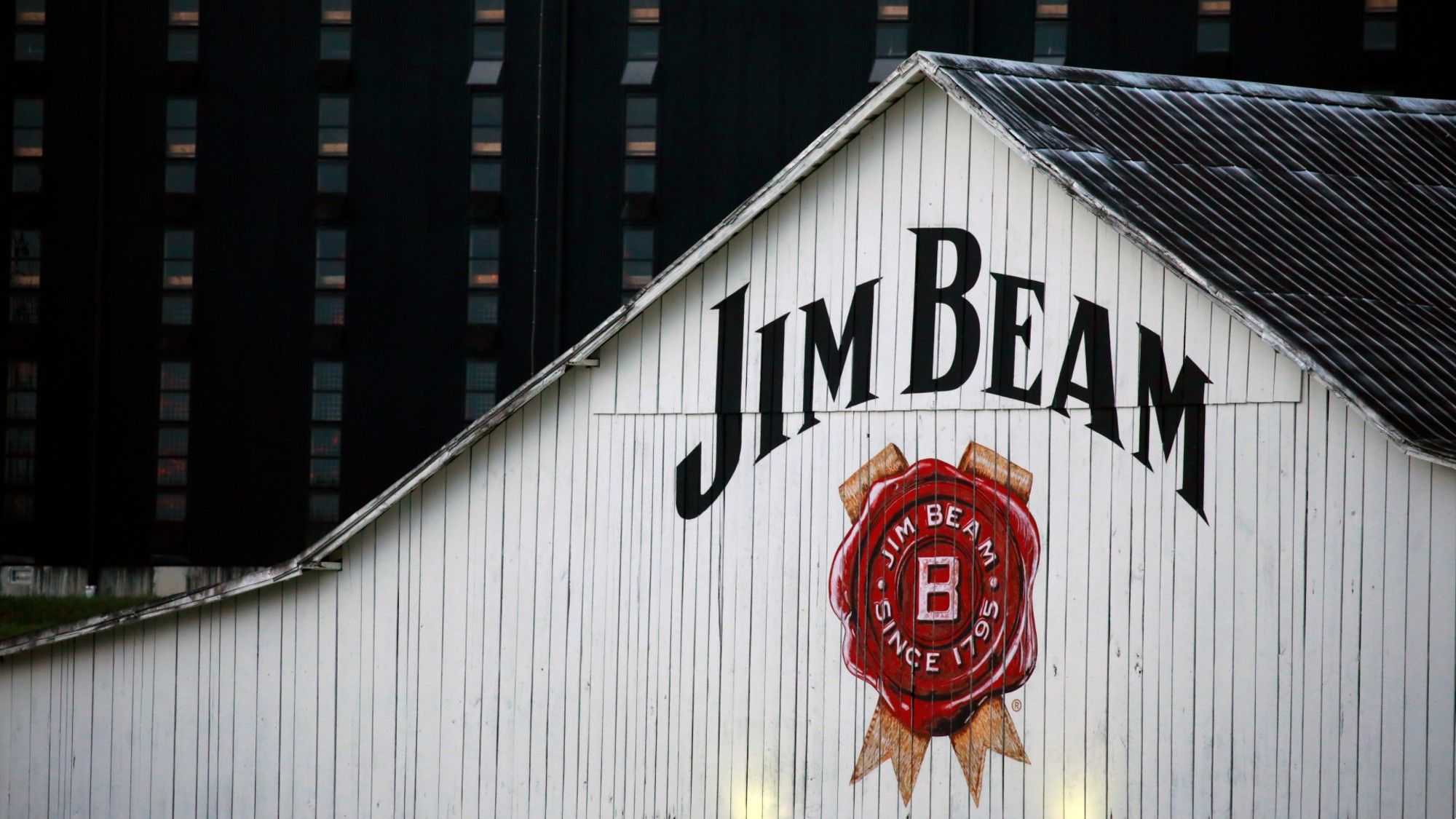
Major U.S. whiskey producers are reporting severe stress: Jim Beam will pause distillation at its Clermont, KY facility for 2026 (the plant produces roughly one-third of the company’s ~26.5 million gallon annual output), Brown‑Forman recently cut ~650 jobs (≈12% of its workforce), and several smaller brands entered receivership in 2025. Industry participants and politicians point to Trump-era tariffs and foreign counter-tariffs — U.S. spirits exports fell 9% in Q2 2025 — while an all-time high of 16.1 million aging bourbon barrels and rising Kentucky barrel taxes ($75 million this year, +27% vs. 2024; +163% vs. five years) have created an oversupply and weak demand environment. The combination of trade frictions, tax burdens and inventory gluts presents downside pressure on sector revenues and capital allocation, with potential knock-on effects for public spirits producers and state tax receipts.
Market structure: Tariffs and retaliatory boycotts have produced a tangible export shock (US spirits exports -9% in Q2 2025) and forced large producers (Jim Beam’s Clermont = ~1/3 of 26.5M gal ≈ 8.8M gal) to pause output. Direct losers are US bourbon producers (large caps like BF.B and small craft distillers in receivership); winners are globally diversified spirits (e.g., Diageo/DEO) and sellers of other categories (tequila, scotch) not subject to the same trade frictions. Pricing power shifts toward global brands with non‑US production footprints.
Risk assessment: Tail risks include escalation of tariffs or additional retaliatory measures that depress exports >10% QoQ and force more closures—this would widen credit spreads for mid/small-cap beverage issuers by 200–400bp. Immediate noise (days) will be volatility spikes; short-term (weeks/months) industrial destocking and layoffs; long-term (years) the 16.1M barreled inventory (many not ready until after 2030) creates both near-term oversupply and later scarcity dynamics. Hidden dependency: state barrel taxes (KY $75M, +27% YoY) amplify cash strain.
Trade implications: Tactical short BF.B (or buy puts) sized 2–3% portfolio for 3–6 months to capture re-rating; hedge with 2–3% long in DEO or LVMHF for global exposure and FX diversification. Use options to cap cost: buy 3–6 month 25–30 delta puts on BF.B, financed by covered calls on DEO or rolling credit spreads. Watch export data and tariff policy as timing triggers.
Contrarian angles: Consensus ignores that the current glut could flip to scarcity after 2030 when existing barrels are consumed—strong brands that survive consolidation could re-price materially. Reaction may be overdone for global players; aggressive US‑only producers face structural risk. Potential unintended consequence: consolidation benefits scale players and raises barriers to entry, creating attractive long opportunities for surviving global names over 12–36 months.
AI-powered research, real-time alerts, and portfolio analytics for institutional investors.
Request DemoOverall Sentiment
moderately negative
Sentiment Score
-0.55
Ticker Sentiment
