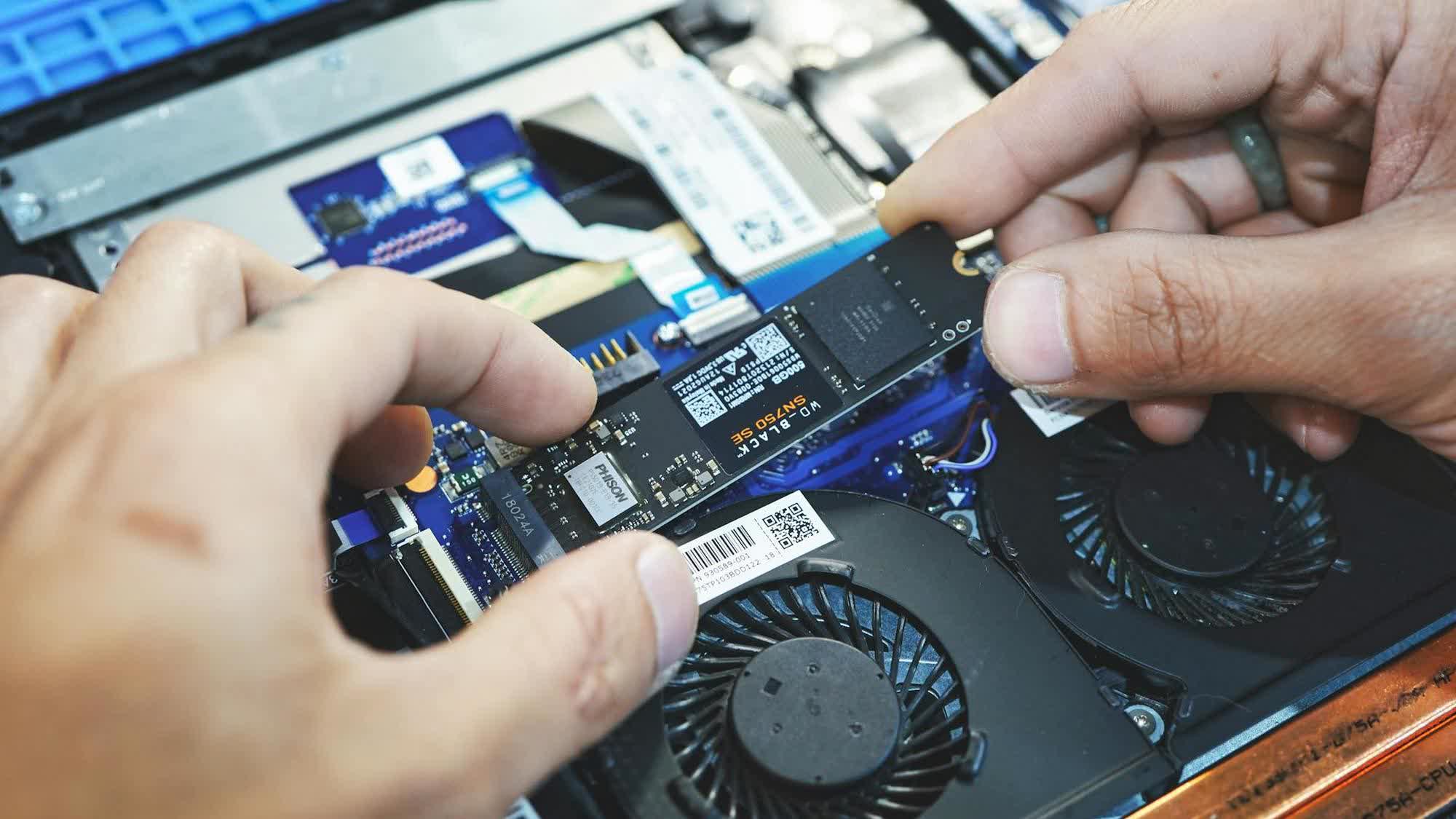
Akiba PC Hotline found a counterfeit 1TB Samsung 990 Pro that matched synthetic benchmarks (CrystalDiskInfo: 7,255/6,090 MB/s vs genuine 7,453/6,953 MB/s) and reported full 1TB capacity, but real-world transfer testing (FastCopy) showed 261 MB/s versus 1,861 MB/s for a ~400GB file (fake took 25 minutes vs 3.5 minutes; ~86% slower). The fake uses a Maxio MAP1602 controller and is DRAMless (authentic 990 Pro uses Samsung's controller and DDR4 cache); software flags included an odd serial '8888888888', Samsung Magician detecting 'Non‑Samsung', and failed diagnostics. Component shortages driven by AI data center demand for DRAM/NAND are increasing counterfeit risk; buyers should run comprehensive benchmarks, authentication checks, and visual/package comparisons for non‑OEM purchases.
Supply-side stress in DRAM and NAND is creating a durable market for provenance and channel trust; buyers will pay a premium for verified distribution because the marginal cost of a bad unit now includes reputational, warranty and operational downtime costs for enterprises. Expect certified distributors and hyperscalers to capture a disproportionate share of margin expansion: they can internalize testing and warranty flows, reducing resale friction and shrinking the addressable market for low-cost independents over 12–36 months.
Market structure will shift toward verticalization and tooling: hyperscalers and large OEMs will accelerate long-term capacity reservations and may internalize controller development or validation tooling to limit single-point-of-failure risks from third-party controllers. That reallocates profit upstream to wafer fabs and IP owners (controller/design houses) and downstream to certified logistics—the winners are those with scale to enforce provenance and absorb reverse-logistics costs.
Near-term catalysts that would reverse this dynamic are a decisive inventory flush or meaningful new fab ramp (6–18 months) that collapses spreads and makes counterfeiting uneconomic; downside tails include high-profile litigation or regulation that forces marketplaces to indemnify buyers, which could accelerate consolidation but also trigger short-term selling in exposed retailers. Monitor serial recovery rates, return-to-vendor volumes, and reported warranty claims as leading indicators; a sustained uptick in claims over two consecutive quarters would signal structural channel re-pricing and justify repositioning.
AI-powered research, real-time alerts, and portfolio analytics for institutional investors.
Request DemoOverall Sentiment
mildly negative
Sentiment Score
-0.25
