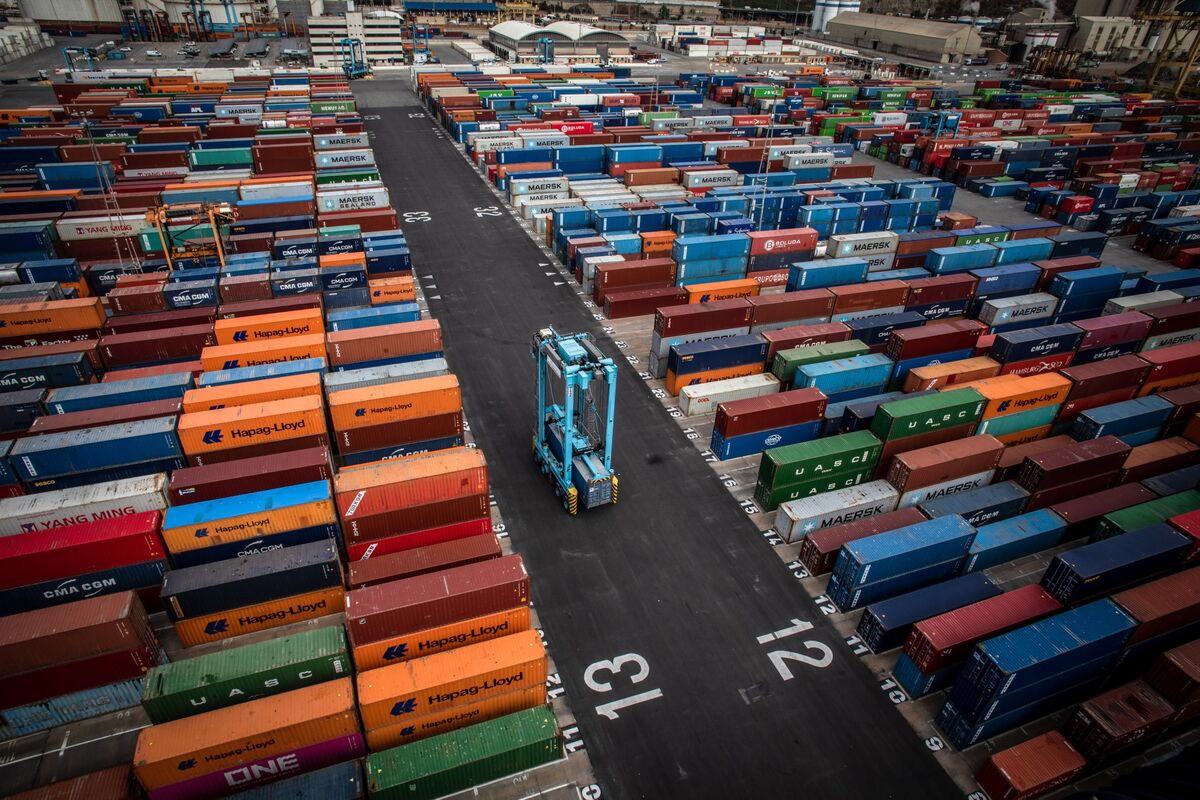
Stocks recoiled following President Trump's announcement of a new 30% tariff on imports from the EU and Mexico, effective August 1. This escalation of trade tensions prompts the EU to seek deeper trade agreements with other nations, including India, while Mexican officials expressed surprise. The move signifies a broadening of trade disputes, posing potential implications for global markets and supply chains.
Global equity markets are facing significant headwinds following the announcement of a new 30% tariff on imports from the European Union and Mexico, scheduled to take effect on August 1. This action represents a material escalation of trade tensions, broadening the conflict beyond previous focal points and introducing substantial uncertainty for corporations with transatlantic and North American supply chains. The market's immediate negative reaction, reflected by the "strongly negative" sentiment score and high impact rating, indicates investor concern over potential margin compression, retaliatory measures, and a slowdown in global economic activity. The EU's strategic response, which involves pursuing deeper trade agreements with other nations such as India, suggests a potential long-term realignment of global trade flows. Meanwhile, the reported surprise from Mexican officials underscores the unpredictable nature of the current trade policy environment, heightening perceived political risk and market volatility.
AI-powered research, real-time alerts, and portfolio analytics for institutional investors.
Request DemoOverall Sentiment
strongly negative
Sentiment Score
-0.70
