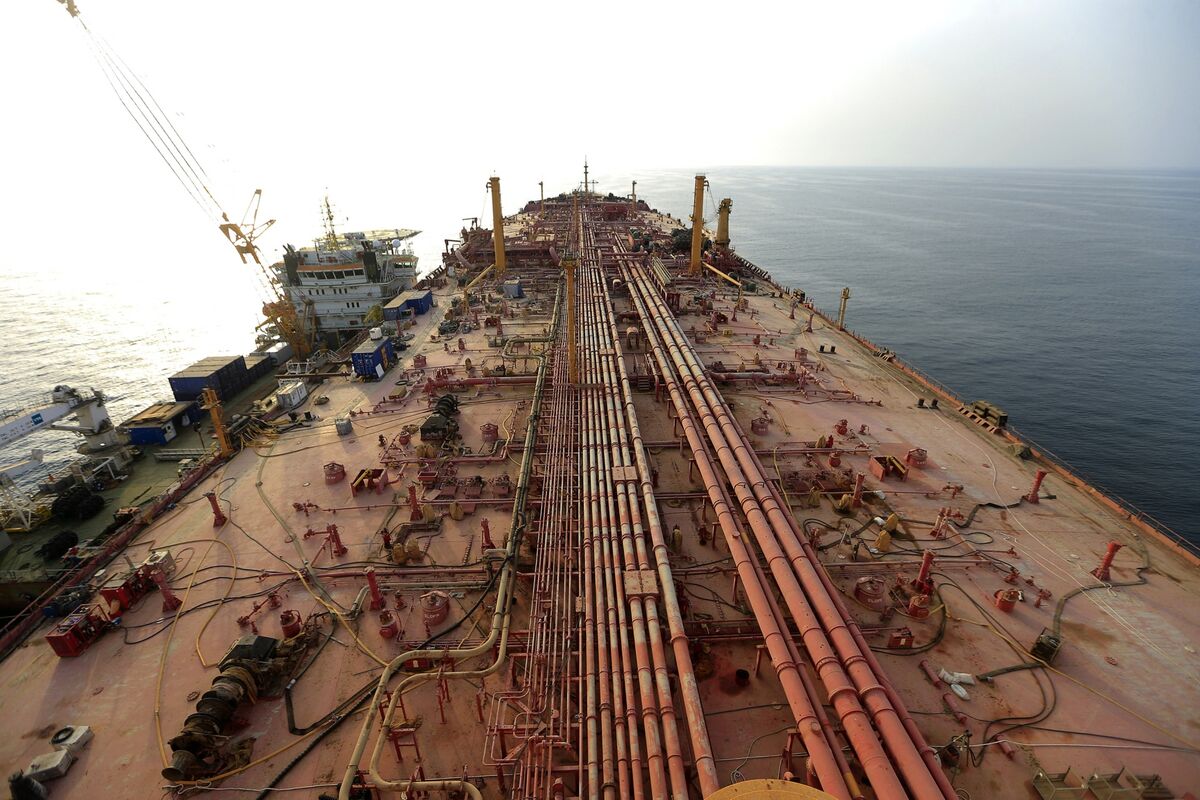
Oil tanker rates for shipping Middle East crude to Asia collapsed by 17% to 55.50 Worldscale points, or approximately $1.60 per barrel, on Thursday. This significant decline, according to Baltic Exchange data, signals a return to normalcy in oil markets following the abatement of conflict in the Middle East, directly impacting global energy logistics and supply chain costs.
Oil tanker charter rates for shipping Middle East crude to Asia experienced a significant repricing, collapsing 17% on Thursday to 55.50 industry-standard Worldscale points, which equates to a transport cost of approximately $1.60 per barrel. This sharp decline, reported by the Baltic Exchange, is a direct consequence of an abatement in geopolitical conflict within the primary oil-exporting region. The event signals a rapid normalization in the physical oil market and an unwinding of the risk premium that had been embedded in freight costs. The swift reduction in shipping expenses directly lowers the landed cost of crude for major Asian importers, reflecting a decreased market perception of near-term supply chain disruptions.
AI-powered research, real-time alerts, and portfolio analytics for institutional investors.
Request DemoOverall Sentiment
moderately positive
Sentiment Score
0.45
