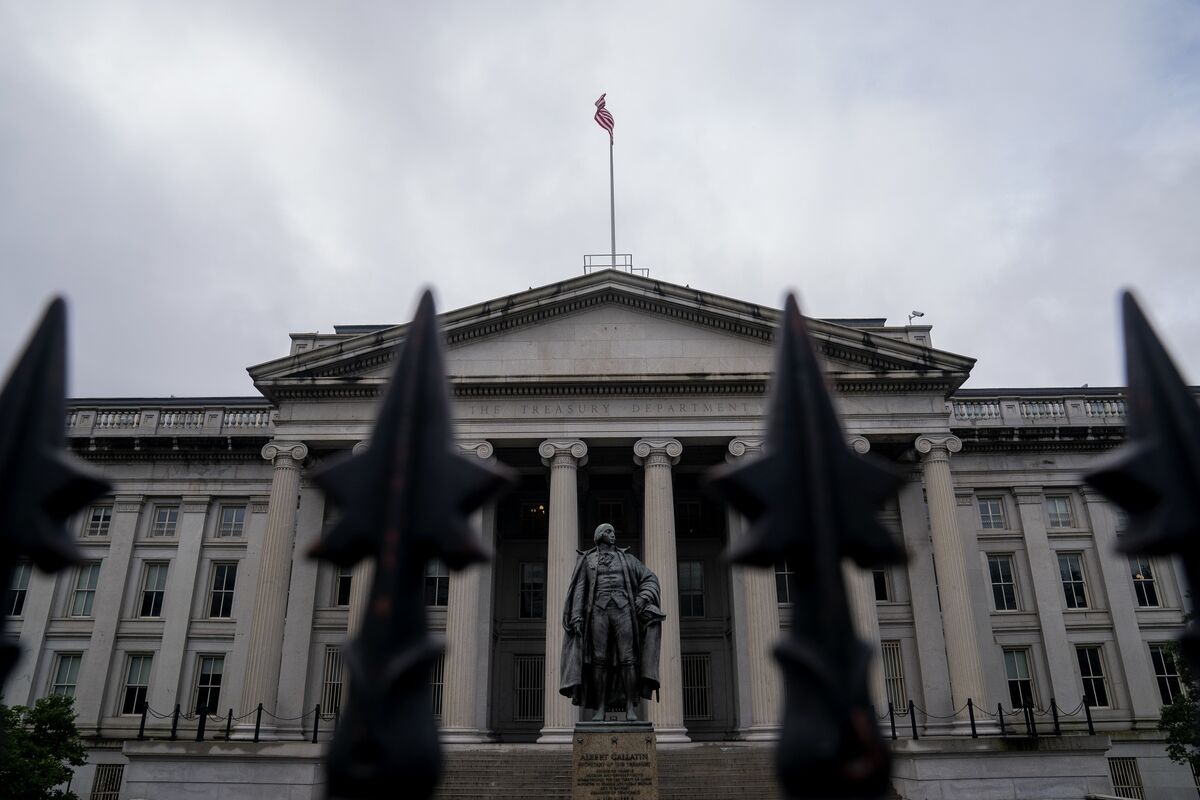
In its first foreign-exchange practice assessment since President Trump's return, the Treasury Department refrained from labeling any nation a currency manipulator but criticized China for a lack of transparency. The Treasury's semiannual report also signaled a commitment to enhanced scrutiny of trading partners' exchange-rate policies and cautioned against unfair currency practices.
The U.S. Treasury Department, in its first semiannual foreign-exchange report since President Donald Trump returned to office, opted not to label any nation a currency manipulator. However, the report specifically criticized China for its "lack of transparency" regarding its foreign-exchange practices. Furthermore, the Treasury signaled a more assertive future stance, stating it would "strengthen its analysis of trading partners’ exchange-rate policies" and issued a "stark warning against attempting to engage in 'unfair' currency practices." This development carries a "hawkish" tone despite a "mixed" overall sentiment (sentiment score 0.0), suggesting heightened scrutiny on international currency management, particularly concerning major trading partners. While the immediate market impact is assessed as moderate (score 0.5), the report's implications are significant for themes including "Trade Policy & Supply Chain," "Currency & FX," and "Emerging Markets," indicating potential for future policy shifts and market reactions based on ongoing U.S. assessments.
AI-powered research, real-time alerts, and portfolio analytics for institutional investors.
Request DemoOverall Sentiment
mixed
Sentiment Score
0.00
