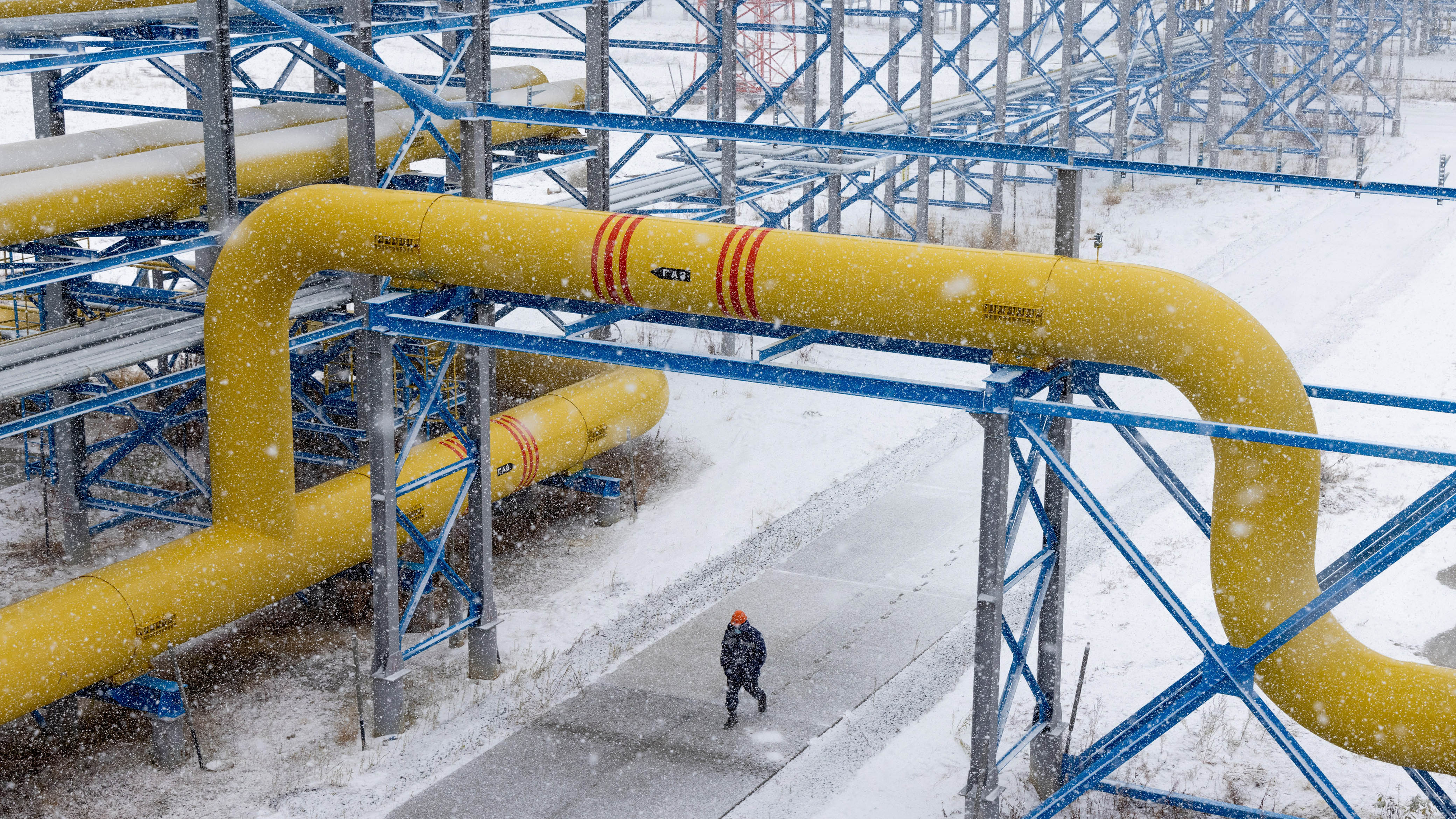
Russia and China have advanced a preliminary agreement for the Power of Siberia 2 (PoS-2) gas pipeline, aiming to deliver up to 50 billion cubic meters (bcm) annually from Russia's Yamal Peninsula to China, potentially pushing total Russian gas imports to China over 100 bcm per year post-2030. While critical details like pricing remain unresolved, this deal significantly enhances China's energy security and bargaining power in global gas markets by diversifying its supply and potentially reducing its reliance on LNG, thereby challenging future U.S. LNG export prospects and increasing competition for other major exporters like Qatar. The agreement also deepens Russia's economic pivot towards Asia following European sanctions, signaling China's defiance of Western pressure and potentially impacting the U.S. dollar's role in energy trade settlement.
The preliminary agreement for the Power of Siberia 2 (PoS-2) pipeline, designed to carry 50 billion cubic meters (bcm) of Russian gas to China annually, represents a significant geopolitical and energy market development, despite critical details like price remaining unnegotiated. If materialized, this deal, combined with the existing Power of Siberia 1, would push Russian pipeline gas deliveries to over 100 bcm per year post-2030, securing a vital outlet for Russia following its loss of the European market and deepening its economic pivot to Asia. For China, the world's largest LNG importer, the deal enhances its energy security and amplifies its bargaining power, allowing it to balance pipeline gas, domestic production, and LNG imports to control costs. This optionality casts a significant cloud over future U.S. LNG exports to China, jeopardizing a projected market share increase from 5% to 25% and threatening the final investment decisions for new U.S. projects. Similarly, Qatar faces increased pressure to offer more competitive pricing on its North Field expansion volumes. The agreement could soften the global LNG market in the 2030s and also holds macro-financial implications, as the potential settlement in renminbi and rubles signals a continued, albeit gradual, challenge to the U.S. dollar's dominance in energy trade.
AI-powered research, real-time alerts, and portfolio analytics for institutional investors.
Overall Sentiment
mixed
Sentiment Score
-0.10
Ticker Sentiment
