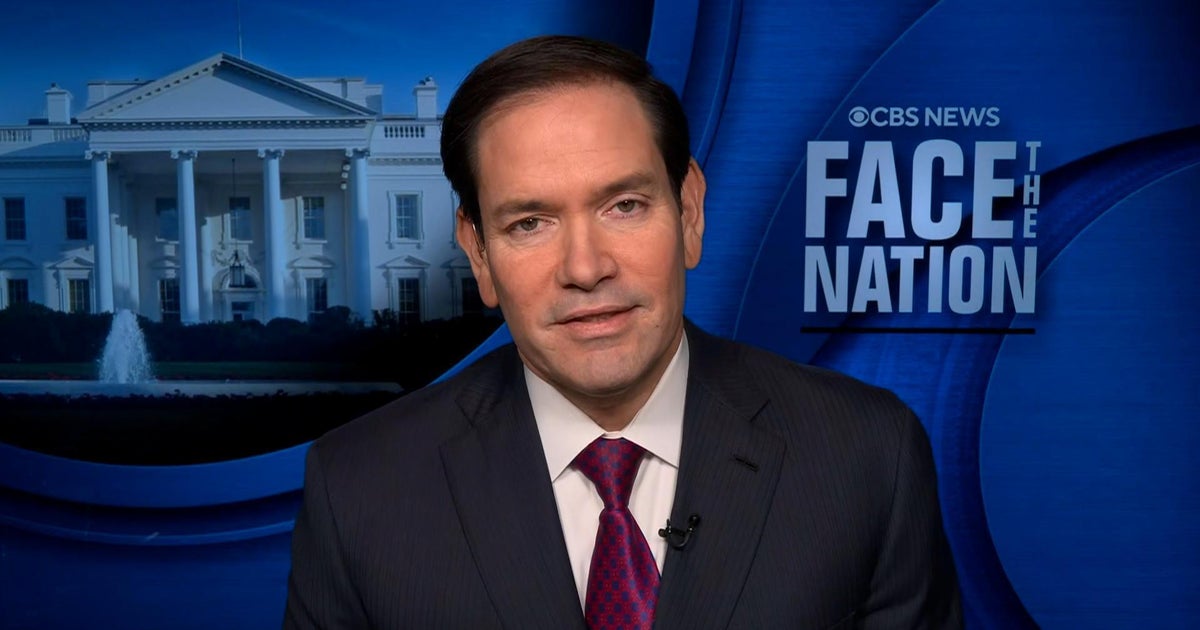
Secretary of State Marco Rubio outlined U.S. actions on Venezuela emphasizing an ongoing oil quarantine, broad sanctions and a substantial naval deployment intended to choke regime revenue and drug trafficking rather than an extended ground occupation. The Trump administration executed a targeted operation that captured Nicolás Maduro and his wife, while other indicted Venezuelan officials remain in place, and U.S. policy will be driven by future behavior of interim authorities. For investors, the combination of continued sanctions, potential shifts in control of Venezuelan oil assets, and heightened regional military posture increases geopolitical risk to oil supply and emerging‑market exposure, with policy outcomes and asset access contingent on the new government's actions.
Market structure: The immediate lever is Venezuelan oil exports and tanker/insurance flows — an effective US quarantine + naval posture tightens supply optionality for heavy sour crude. Expect near-term Brent/WTI volatility: a 2–6% upside shock (≈$2–$6/bbl) if PDVSA exports remain curtailed for 2–8 weeks, benefiting tanker owners and premium refiners handling heavy crude while hurting refiners dependent on light sweet grades. Financial claimants: Latin America EM sovereign and corporate credit spreads should widen relative to DM on contagion fears.
Risk assessment: Tail risks include a wider regional escalation (Iran/Hezbollah countermeasures, retaliatory cyber attacks) or a protracted insurgency that keeps exports offline for quarters; both generate 10–30% commodity-price shocks and EM FX dislocations. Time horizons: immediate (days) = flight-to-quality (USTs, gold), short-term (weeks/months) = oil & tanker rate repricing, long-term (quarters/years) = potential re-entry opportunities for energy majors if legal/contract frameworks are rewritten. Hidden dependencies: shipping insurance, port chokepoints, and private risk-capital decisions (who will insure/finance Venezuelan field rehab) are gating factors.
Trade implications: Favor tactical longs in oil call spreads and tanker equities, hedged with UST duration exposure; favor defense contractors selectively for a 6–12 month thematic read. Avoid unilateral EM long bets in LatAm until export and political signals (PDVSA cargo volumes, daily VLCC fixtures) normalize; watch charter rates and insurance premiums as leading indicators.
Contrarian angles: Consensus assumes permanent exclusion of Western capital; that is underdone — a back-door privatization/re-entry scenario over 6–18 months could create upside for service/oilfield names (SLB, HAL) and select majors (XOM, CVX) if legal indemnities appear. Conversely, market may underprice rapid regional refugee/credit stress which could hit Colombian/Ecuador sovereigns first; nimble pair trades can capture both outcomes.
AI-powered research, real-time alerts, and portfolio analytics for institutional investors.
Request DemoOverall Sentiment
moderately negative
Sentiment Score
-0.35
