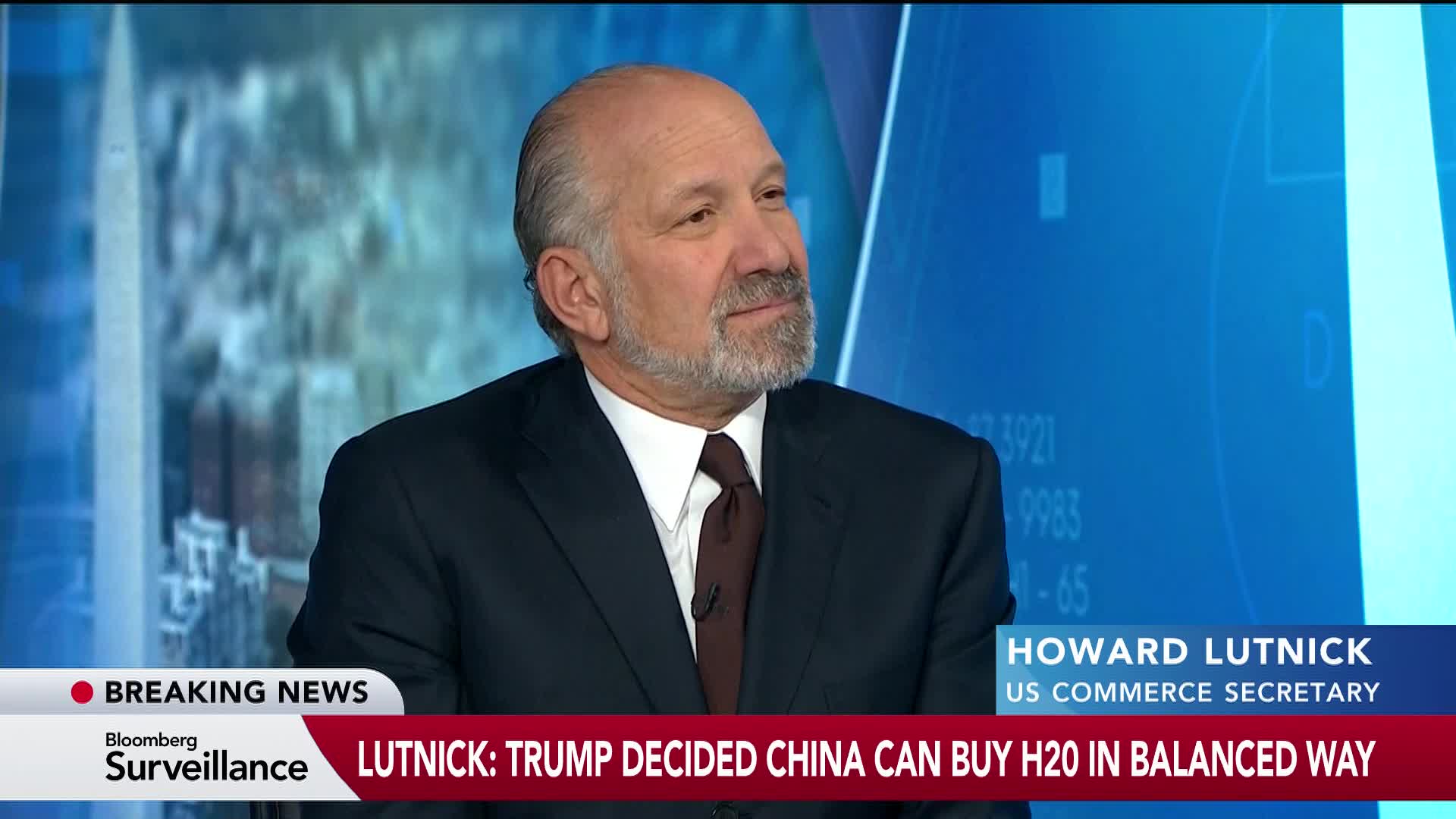
Commerce Secretary Lutnick announced a US-Japan trade deal has secured lower tariff rates on cars for Japan, while also detailing ongoing trade dialogues with Europe and China. Concurrently, market observers are identifying multiple strong candidates to potentially succeed Federal Reserve Chair Powell, signaling future leadership considerations for U.S. monetary policy.
The current geopolitical and economic landscape is being shaped by two distinct but significant developments. Firstly, Commerce Secretary Lutnick has confirmed a US-Japan trade agreement that grants Japan a lower tariff rate on automobiles. This move signals a de-escalation in trade tensions with a key partner and could provide a tailwind for the automotive sector, particularly for Japanese manufacturers. The concurrent mention of ongoing trade discussions with Europe and China suggests a broader, active U.S. strategy to recalibrate its global trade relationships. Secondly, separate commentary from market observer Bessent indicates that a field of 'strong candidates' is emerging to potentially succeed Federal Reserve Chair Powell. While the trade news offers near-term clarity and carries a moderately positive sentiment, the discussion around Fed leadership introduces a long-term variable, signaling that future U.S. monetary policy direction is a growing consideration for market participants.
AI-powered research, real-time alerts, and portfolio analytics for institutional investors.
Request DemoOverall Sentiment
moderately positive
Sentiment Score
0.40
