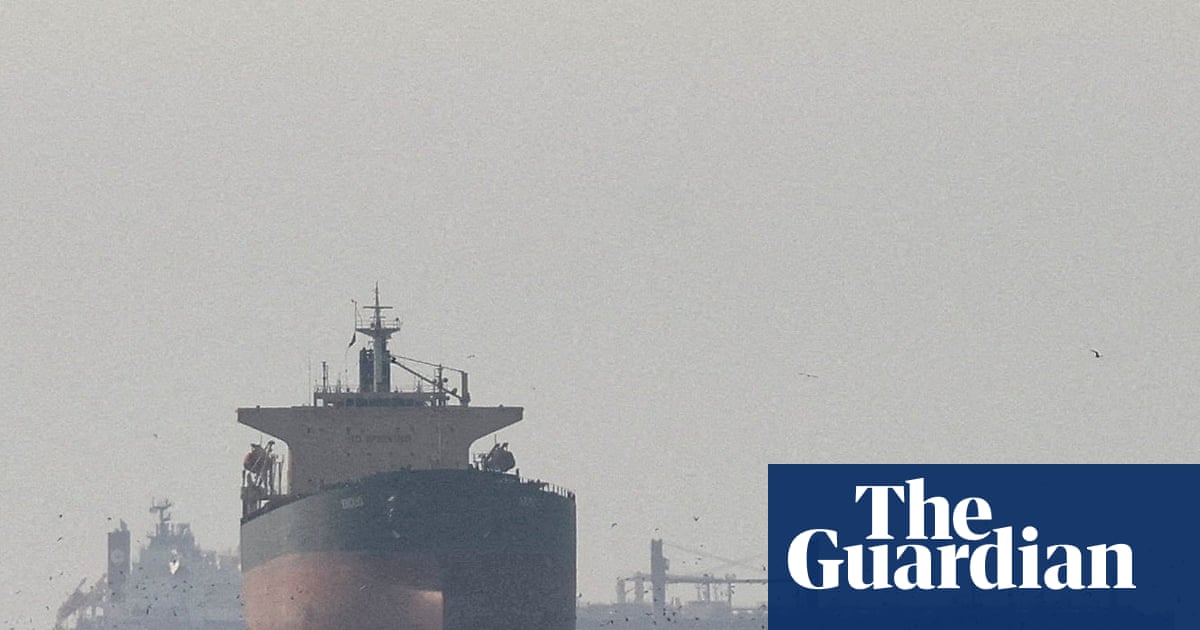
About 1,000 ships are stranded by Iran’s partial blockade of the Strait of Hormuz; the channel previously carried ~20% of global oil and gas and roughly a third (~33%) of global fertiliser flows, and only ~130 ships have transited since the conflict began (roughly a single day's normal traffic). The UK will convene 35 countries (excluding the US) on Thursday under a British-French initiative to assess diplomatic, military and industry measures to reopen the strait, while UK MOD planners are coordinating with US CENTCOM and Iran’s IRGC vows the strait will remain closed to ‘enemies’. Implication: sustained disruption risk to oil, gas, fertiliser supply chains and shipping — expect material volatility and risk-off pressure on energy and logistics markets.
European-led maritime security efforts without full US operational participation create a longer, more politically contingent path to restoring normal passage. Practically that means a multi-week to multi-month timeline to establish escorted corridors and clear mines/debris, not a binary “open vs closed” outcome; expect a 4–12 week window where insurance premia, rerouting, and private security demand remain elevated.
Rerouting tankers and bulkers around Africa increases voyage distance by ~2,000–5,000 nm (adding ~6–15 days per voyage at typical tanker speeds), which raises bunker consumption and charter costs meaningfully — we estimate incremental per-VLCC trip costs of $100k–$400k depending on fuel prices and speed. That makes floating storage and longer-charter economics attractive to asset-light tanker owners and creates acute working-capital pressure for fertiliser and LNG buyers approaching seasonal demand windows.
Commodity price sensitivity is front-loaded: a disruption of ~1 mb/d that persists for weeks historically lifts Brent $5–$15/bbl in the spot curve and can push fertiliser spreads higher by double digits if export windows are missed. The key reversals are diplomatic/operational: an agreed escorted corridor or rapid deployment of multinational minesweeping within 2–6 weeks would sharply compress these premia; conversely, asymmetric attacks or an expanding blockade could extend disruptions into quarters, forcing export controls and strategic stock drawdowns.
Interest-rate and equity second-order effects: higher fuel and fertiliser costs feed through to European industrial margins and food inflation readings, pressuring cyclical and consumer discretionary names while boosting insurance brokers, select maritime equities and defense contractors that provide escort/ISR capabilities.
AI-powered research, real-time alerts, and portfolio analytics for institutional investors.
Request DemoOverall Sentiment
strongly negative
Sentiment Score
-0.70
