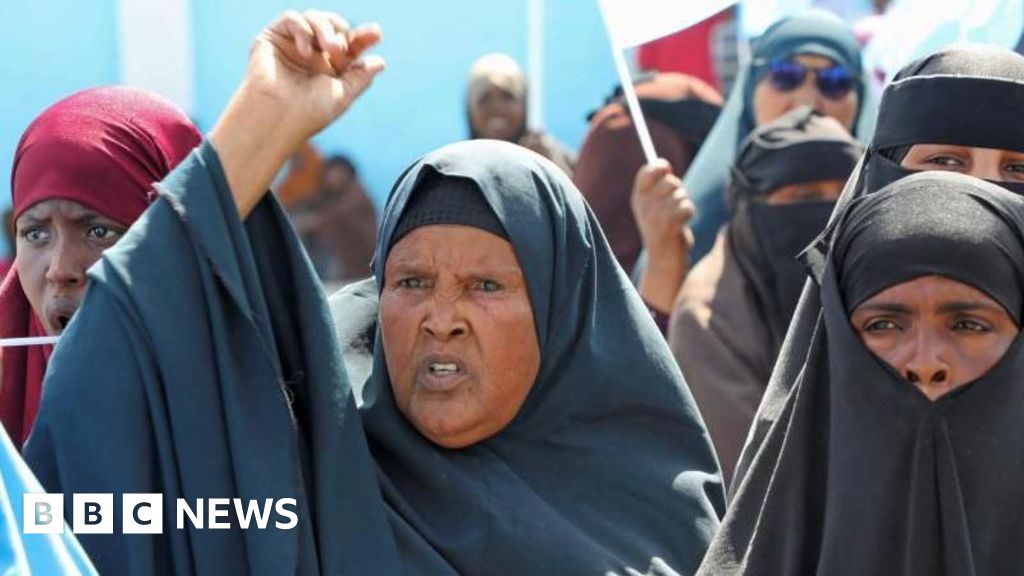
Somalia's federal government has cancelled all port management and security cooperation agreements with the UAE, accusing Abu Dhabi of undermining its sovereignty after Israel recognised Somaliland; Mogadishu also alleges UAE involvement in facilitating the departure of Yemeni separatist leader Aidarous al-Zubaidi. Dubai-based DP World says Berbera operations will continue, while Puntland and Jubaland reject the federal decision and Somalia lacks effective control over Somaliland, Puntland and Jubaland ports—raising the prospect of localized disruption to Horn of Africa logistics and elevated geopolitical risk for regional trade corridors. Investors should monitor potential operational impacts at Bosaso, Kismayo and Berbera, shifts in regional security postures, and diplomatic alignments (Turkey, Saudi Arabia) that could alter access and stability in critical Red Sea/Gulf of Aden shipping lanes.
Market structure: Short-term winners are port operators and regional logistics firms with on-the-ground contracts in Somaliland and Jubaland (DP World/AD Ports), because federal Mogadishu lacks enforcement capacity and local administrations publicly defend existing deals; losers are UAE security contractors and any Gulf firms relying on unfettered Somali government permissions, which raises operating friction and marginal costs. Pricing power for incumbent terminal operators should hold near-term (0–6 months) since rerouting ports is costly; expect localized increases in security/insurance surcharges of 5–15% for shipments calling Horn ports.
Risk assessment: Tail risks include a low-probability but high-impact escalation (full UAE asset withdrawal, maritime interdiction or Somali airspace closure) that could widen regional risk premia: oil +$5–$12/bbl and war-risk insurance spikes within weeks, and EM credit spreads +100–300bp for horn-adjacent sovereigns. Hidden dependencies: Ethiopia, Israel and Saudi/Turkish alignments can rapidly change the payoff; catalysts are further recognitions of Somaliland, verified military withdrawals, or confirmed use of Somali airfields for foreign extractions (next 30–90 days).
Trade implications: Tactical plays: overweight AD Ports (ADX: ADPORTS.AD) and selectively hedge via short-dated Brent call spreads to capture upside from any escalation; reduce frontier EM sovereign duration (trim EMB exposure) and reallocate to 3-month Treasuries/IG for 1–3 months. Use options as tail protection: small position in 3-month OTM puts on DPW.DU or buy insurer/war-risk volatility exposure if available; monitor share moves >10% as execution triggers.
Contrarian angles: Consensus overstates Somali enforcement capability—2018 precedent shows disruptions can be political theatre without long-lasting commercial impact; markets may overprice a systemic logistics shock, presenting tactical buys in well-capitalized port operators if shares drop >8–12%. Unintended consequence: greater Turkish/Saudi involvement could re-route Gulf capital away from the UAE, benefiting regional competitors and defence contractors over 6–18 months.
AI-powered research, real-time alerts, and portfolio analytics for institutional investors.
Request DemoOverall Sentiment
moderately negative
Sentiment Score
-0.30
