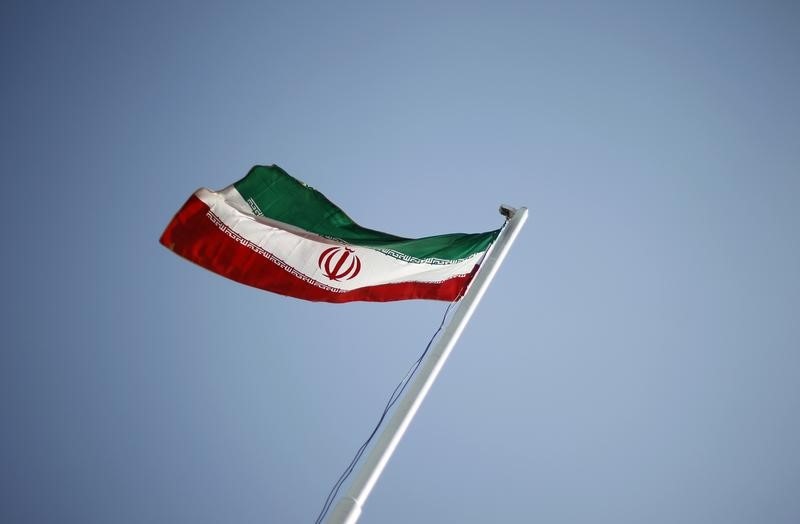
Trump set an 8:00 p.m. ET Tuesday deadline for Iran to reopen the Strait of Hormuz and warned of strikes if it remains closed; Iran rejected the ultimatum and demanded a share of transit revenue as compensation for war-related damages. Iranian officials also signaled potential escalation to the Bab el-Mandeb Strait (handling ~12% of global trade), raising the risk of compounded supply-chain disruptions and further upside to oil and gas prices, elevating geopolitical risk premia for energy, shipping, and insurance sectors.
Immediate market mechanics will be dominated by shipping-cost and insurance-risk premia rather than fundamentals of reservoir flows. Rerouting or guideline-driven slow-steaming adds a week-plus of voyage time for many east‑west trades, which mechanically raises tanker voyage turn costs, forces more floating storage, and can push freight rates 50–150% in weeks if the market anticipates protracted disruption. That freight shock transmits to crude forward curves (more contango) and to refinery feedstock differentials — Asian/European refiners with flexible crude slates will see margins compress or expand depending on access to arbitrage barrels.
The second-order winners are high-leverage asset owners of ships and floating storage (owners capture the full spike in timecharter/TCE), insurers and reinsurers writing war-risk layers, and defense suppliers selling force-protection and ISR capabilities to regional partners. Losers include short-cycle trade-exposed refineries that rely on discounted Gulf barrels, integrated logistics operators with fixed contracts, and manufacturers facing higher container/tanker bill-of-lading costs which depress margins and inventory turns. A prolonged premium on transit risk also benefits majors with upstream optionality and balance-sheet capacity to buy distressed barrels or storage at the margin.
Key catalysts and timeframes: shipping and insurance repricings play out in days–weeks; oil price and refinery crack adjustments over 1–3 months; structural rerouting, contract renegotiations, and fleet redeployment over 6–18 months. Reversal triggers are clear: credible diplomatic de-escalation, coordinated SPR releases at scale, or a rapid military strike that restores (or permanently severs) route access. Tail risks include escalation to additional chokepoints or coordinated attacks on commercial tonnage, which would extend elevated premia into multi-quarter real-economy inflation and supply-chain repricing.
AI-powered research, real-time alerts, and portfolio analytics for institutional investors.
Request DemoOverall Sentiment
strongly negative
Sentiment Score
-0.65
