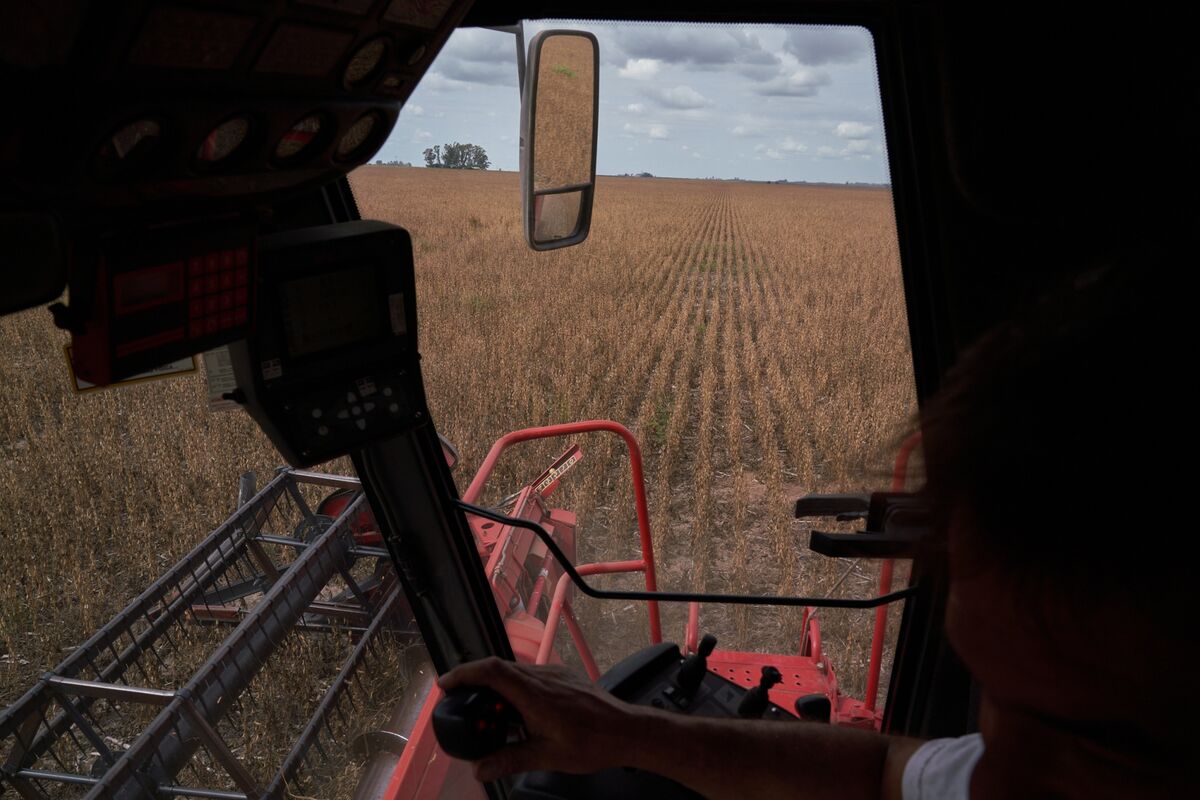
Argentina's President Javier Milei, who campaigned on promises of free-market reforms, has increased taxes on soy exports by approximately seven percentage points, reversing a tax break and hindering his pledge to unshackle the country's agricultural sector. This move impacts farmers who have long been burdened by government intervention, potentially sidelining Argentina further in the South American commodities market as Brazil experiences a crop boom.
Argentine President Javier Milei's administration has increased taxes on soy exports by approximately seven percentage points, a notable policy shift that directly challenges his late 2023 campaign promises to implement sweeping free-market reforms and alleviate burdens on the nation's farmers. This decision to end a tax break effectively re-imposes a significant cost on the agricultural sector, which has historically been constrained by such export levies—a practice that has hampered its global competitiveness. The move is particularly significant as it occurs while regional competitor Brazil continues to experience a relentless crop boom, potentially further sidelining Argentina in the South American commodities market. This early faltering on a key pledge to unchain farmers from government intervention may signal underlying fiscal pressures or political difficulties in executing the promised libertarian agenda, creating uncertainty around the trajectory of economic liberalization and its impact on Argentina's key export industries.
AI-powered research, real-time alerts, and portfolio analytics for institutional investors.
Request DemoOverall Sentiment
Negative
Sentiment Score
-0.30
