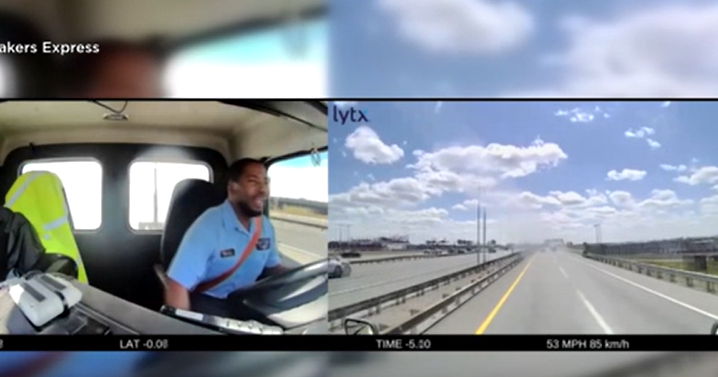
A United Airlines Boeing 767 carrying 221 passengers and 10 crew struck a light pole and a Baltimore bakery truck while landing at Newark Liberty International Airport, injuring the truck driver. United said the aircraft landed safely and no passengers or crew were hurt, while the NTSB is investigating the incident as an accident. The event is operationally negative but appears unlikely to have broad market impact beyond the airline and involved parties.
The immediate market read is not on revenue loss but on operational fragility. For UAL, the first-order impact is de minimis financially, but the second-order risk is elevated scrutiny of Newark ops, where any evidence of airspace/approach or runway-adjacent hazard can widen the airline’s disruption premium for weeks, not days. That matters because large carriers with concentrated Northeast exposure tend to see the fastest multiple compression when regulators or media frame an event as systemic rather than isolated. The more interesting consequence is for the logistics and claims stack. H&S itself is unlikely to see meaningful business interruption, but the incident creates a small cluster of liability questions across airline, airport authority, contractor, and insurer lines, which can pressure reserve assumptions if the investigation finds procedure or infrastructure failures. In a broader sense, any confirmation that approach-path clearance issues contributed would put attention on airport-adjacent infrastructure spend, a slow-burn catalyst for engineering, inspection, and maintenance vendors rather than airlines. BA is a weak read-through only if the investigation implicates aircraft performance or maintenance discipline; otherwise the stock should barely react. The contrarian angle is that these events often get overtraded on headline fear before facts settle, and the actual equity impact usually arrives later through insurance expense, airport-capex mandates, and schedule reliability—not through direct damage. The cleanest way to express the view is to fade any knee-jerk airline underperformance unless there is a second incident or a preliminary report pointing to fleet-wide procedural risk.
AI-powered research, real-time alerts, and portfolio analytics for institutional investors.
Request DemoOverall Sentiment
mildly negative
Sentiment Score
-0.20
Ticker Sentiment
