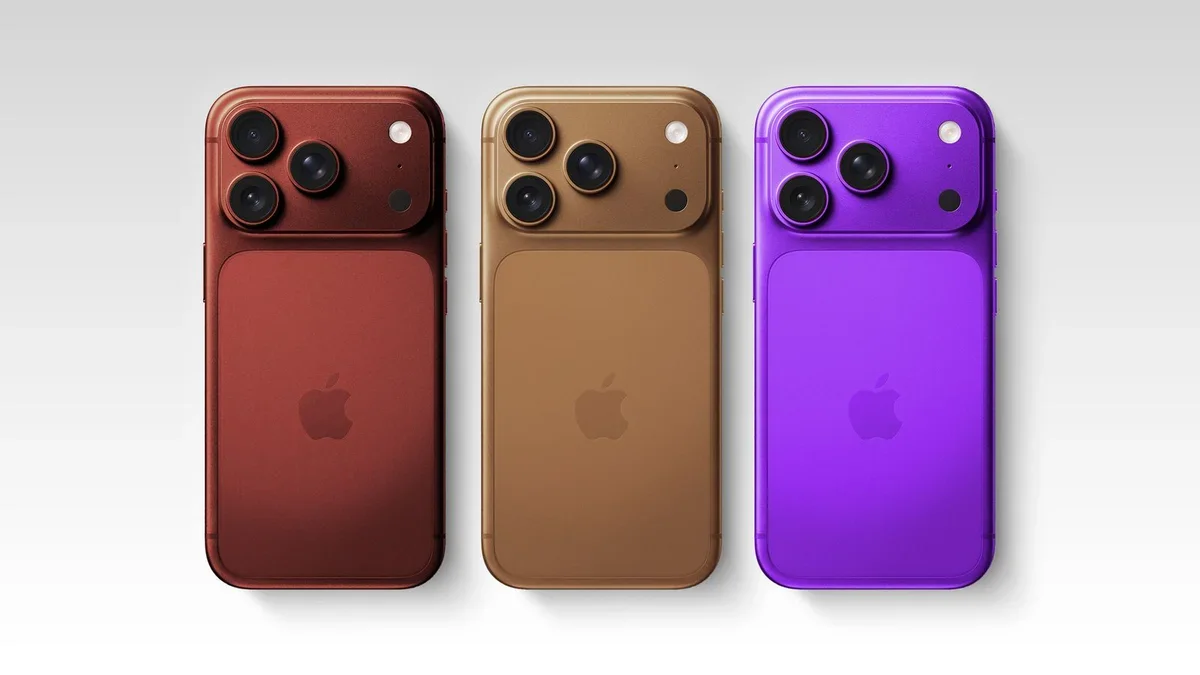
Leaker Ice Universe posted that the entire iPhone 18 lineup will feature a shrunken Dynamic Island while bezel sizes remain unchanged. The iPhone 18 Pro is expected to include a 2nm chipset, improved battery life, camera updates, and a larger share of in-house chips; only Pro models may ship this year with standard variants following next year. Changes are incremental and design-focused, likely modestly positive for consumer appeal but unlikely to move Apple shares materially absent larger supply/cost or feature surprises.
Miniaturizing front‑end modules and migrating functions under glass is rarely a pure cosmetics win — it changes BOM concentration, testing regimes, and yield volatility. Expect upstream consolidation of high‑precision optical and VCSEL suppliers (fewer vendors capturing larger order shares) and greater margin leverage to whoever owns the enabling IP or processes; that makes incremental revenue from feature-led upgrades more binary (big if yields are good, negative if not) over the next 3–9 months.
A smaller, less intrusive front surface also creates a subtle but measurable improvement in perceived screen real estate that disproportionately matters for high‑ARPUs — a 1–2% uplift in replacement intent among premium users would translate to low single‑digit millions of incremental units annually, which maps to mid‑single‑digit to low‑teens dollars of EPS for every million units depending on mix. The more durable financial upside is the margin mix shift if Apple levers more in‑house modules (software+hardware integration), which compresses component supplier revenue but expands Apple’s gross margins over 6–18 months as TCO shifts to internalized silicon and software value.
Key near‑term catalysts: supplier order flow and booked capacity in supplier earnings, public teardown confirmations, and regulatory filings that reveal component changes — each can move expectations sharply. Primary risks are yield setbacks or visible supplier concentration that invite regulatory/contractual issues, and consumer apathy where incremental design changes fail to accelerate the replacement cycle; either can reverse the bullish earnings leverage in a single quarter if unit growth and ASP don’t materialize.
AI-powered research, real-time alerts, and portfolio analytics for institutional investors.
Request DemoOverall Sentiment
mildly positive
Sentiment Score
0.20
Ticker Sentiment
