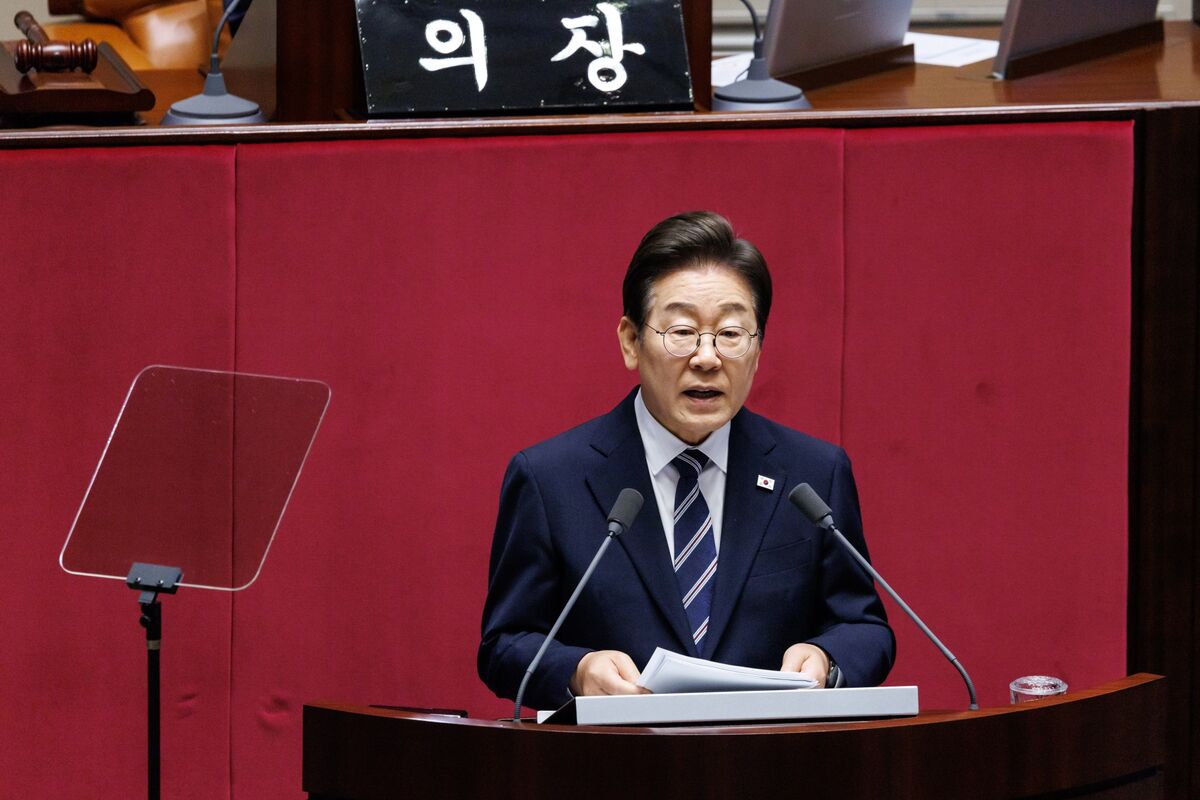
South Korean President Lee Jae Myung is confronting an early diplomatic and economic test as stalled trade negotiations with the U.S. threaten to trigger a tariff increase from 10% to 25% on Korean goods starting August 1. The inability of top negotiators to finalize a deal before the looming deadline, marked by canceled meetings, poses a significant challenge less than two months into his presidency.
The new South Korean administration under President Lee Jae Myung is confronting a significant near-term macroeconomic risk as trade negotiations with the U.S. have stalled. The failure to make headway, underscored by a series of canceled meetings, introduces substantial uncertainty ahead of a critical August 1 deadline. If a deal is not reached, across-the-board tariffs on U.S. imports of Korean goods are set to more than double, rising from 10% to 25%. This potential 15-percentage-point increase poses a direct threat to the profitability and competitiveness of South Korea's export-driven economy. The situation represents a major diplomatic and economic test for the president less than two months into his term, and the outcome will likely have a material impact on investor sentiment toward South Korean assets.
AI-powered research, real-time alerts, and portfolio analytics for institutional investors.
Request DemoOverall Sentiment
moderately negative
Sentiment Score
-0.65
