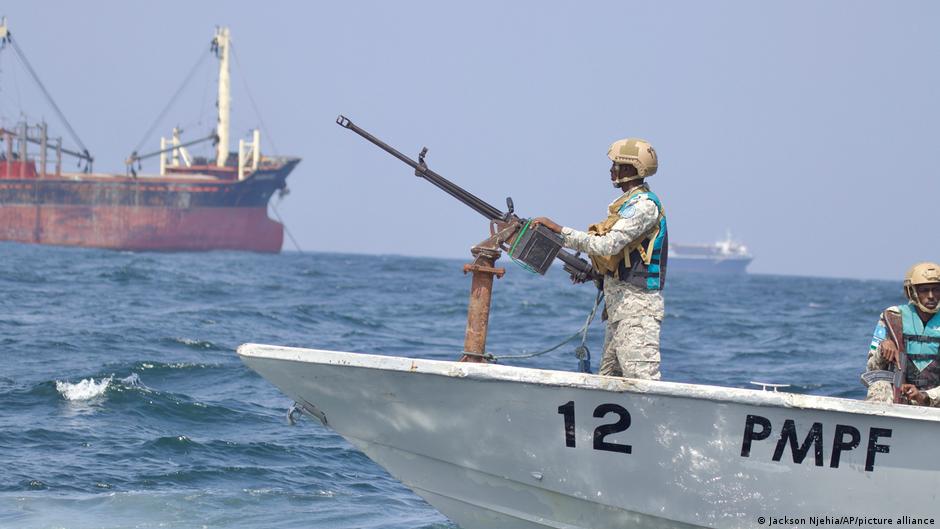
Three ships have been hijacked off Somalia and nearby Yemen in the past three weeks, with the Honour 25, Eureka, and Sward still under pirate control as of May 8, 2026. The resurgence of piracy comes as shipping is already being rerouted around southern Africa, adding 2-3 weeks and thousands of nautical miles per voyage, which raises fuel costs by around $1 million per trip and could further lift freight and insurance costs. The article warns of a broader disruption to global trade routes, especially for Asia-Europe traffic avoiding the Red Sea and Suez Canal.
The market is underestimating how quickly this shifts from a regional security story into a broad transport-tax on trade. The key second-order effect is not just longer routes; it is fleet inefficiency: more days at sea tightens effective vessel supply, which supports freight rates across container, tanker, and dry bulk segments even if cargo volumes are flat. That should disproportionately help operators with modern, fuel-efficient fleets and strong voyage-charter exposure, while hurting shippers locked into fixed contracts or with weak balance sheets. The more interesting read-through is to insurers and security vendors. If attacks persist for weeks rather than days, war-risk premiums and kidnap/ransom-related security spend can reprice fast, but that usually happens before the biggest freight-rate leg, creating a window where marine insurers re-rate first and ports/logistics names lag. A prolonged risk environment also tends to shift cargo toward higher-inventory, faster-turn supply chains, which quietly benefits integrated logistics providers with routing and customs optionality, while pressuring just-in-time manufacturers in Europe and the Gulf. Catalyst risk is binary: if naval escorts or armed-guard adoption meaningfully reduce successful boardings over the next 2-6 weeks, the piracy premium fades quickly because the market will view it as containable. The real tail risk is a compounding shock where Hormuz/Red Sea instability forces more rerouting, keeping ships near Somalia longer and raising the probability of copycat attacks into month-end. That scenario would matter most for inflation-sensitive importers and for airlines, which face a second-order jet-fuel and cargo-capacity squeeze. Consensus may be too focused on the headline hijackings and not enough on persistence. The current setup is more attractive as a volatility trade than a directional macro shock: if incidents remain sporadic, the equity market may fade the news, but freight and insurance markets can still reprice sharply. The best asymmetric view is that earnings revisions emerge first in marine insurance, tanker rates, and select logistics names, while broad equity indices barely react until the route disruption starts showing up in delivery times and margin compression.
AI-powered research, real-time alerts, and portfolio analytics for institutional investors.
Request DemoOverall Sentiment
strongly negative
Sentiment Score
-0.72
