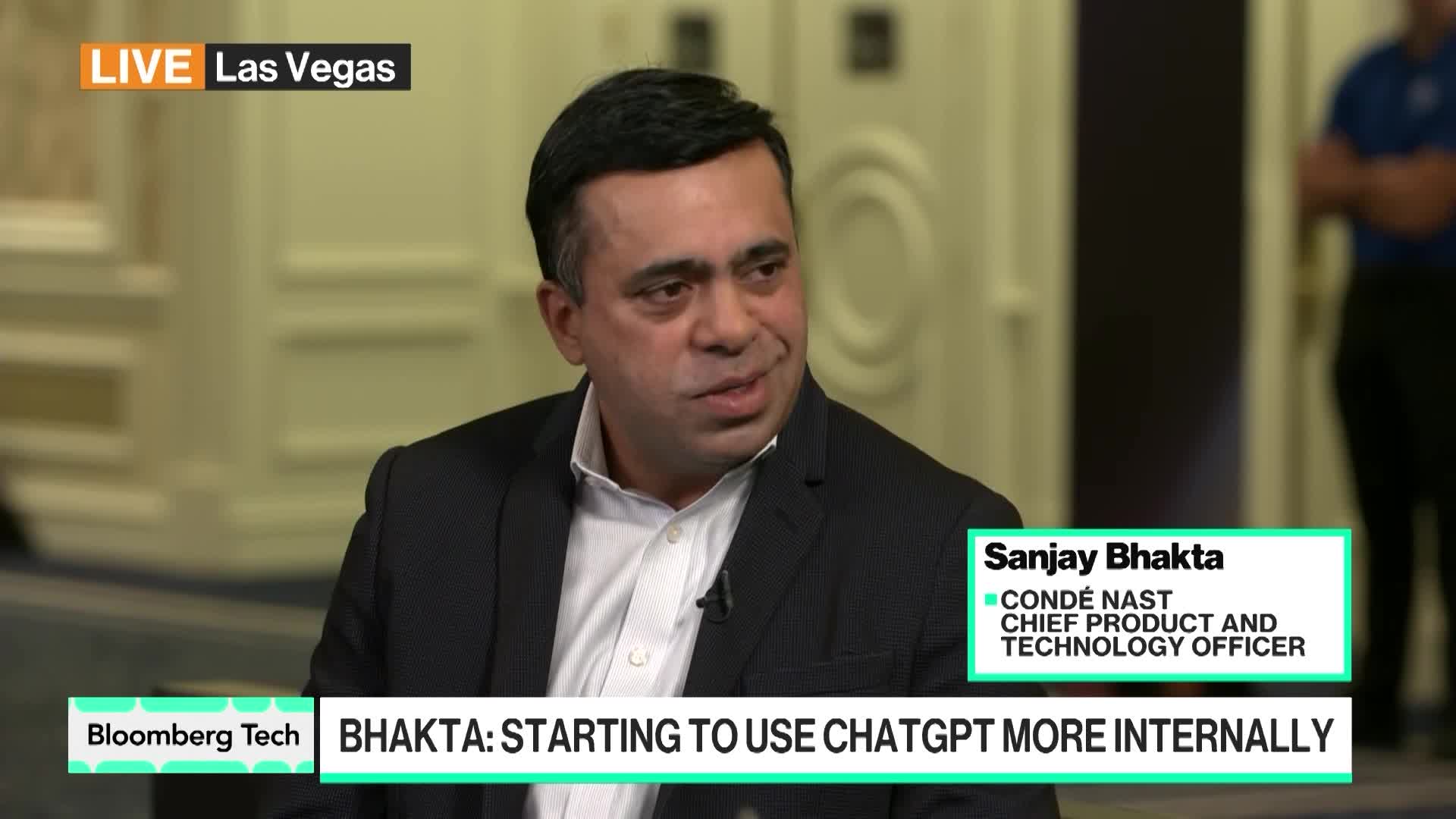
Condé Nast is increasingly shifting from building large in‑house AI models to leveraging third‑party cloud AI services (notably AWS Bedrock and OpenAI) while maintaining proprietary personalization models trained internally. The company has launched AI features such as a natural‑language recipe search on Bon Appétit, integrated select content with Amazon Alexa, and runs its data infrastructure on AWS with Databricks; layoffs to date are only partially attributable to AI-driven productivity gains. Management’s priority is greater real‑time discoverability of content to compete in entertainment and leisure for consumer attention.
Market structure: The shift described is a classic capex-to-opex migration — publishers move from in‑house model training to cloud LLM services, boosting AWS/AMZN recurring revenue and pricing power for inference and moderation. Winners: AMZN (and peers MSFT/GOOGL) for higher-margin cloud services and content-distribution integrations; losers: pure on‑prem training incumbents and select streaming rivals that lose share of attention (modest negative signal for NFLX). Expect AWS inference demand to grow double digits, while training‑hardware demand could plateau.
Risk assessment: Tail risks include swift regulatory action on generative AI (content liability, EU/US rules) and a major cloud outage or hallucination-triggered legal claim; these could compress multiples by 10–30% in stressed scenarios. Timeline: immediate (days) — muted; short (1–6 months) — case studies and AWS product adoption visible in earnings commentary; long (12–36 months) — structural revenue mix shifts and margin expansion for cloud providers. Hidden dependency: data egress costs and integration latency could cap enterprise uptake and profitability.
Trade implications: Direct actionable tilt is long AMZN exposure to capture Bedrock/inference monetization and short marginal attention losers (select streaming/media) where personalization tech shifts economics. Use options to limit downside while levered to adoption catalysts (AWS guidance, Bedrock enterprise wins). Rotate sector weights toward cloud/SaaS and away from legacy ad‑driven publishers and single‑service streamers over 3–12 months.
Contrarian view: Consensus underprices the speed at which mid‑market publishers will offload ML ops — inference services could be 20–40% of incremental cloud growth vs market expectations of a slower cadence. Overdone risks include regulatory overhangs and model consolidation; if regulators force provenance/filters, adoption could slow sharply. Historical parallel: SaaS migration post‑2010 where platform providers captured disproportionate profits.
AI-powered research, real-time alerts, and portfolio analytics for institutional investors.
Request DemoOverall Sentiment
mildly positive
Sentiment Score
0.25
Ticker Sentiment
