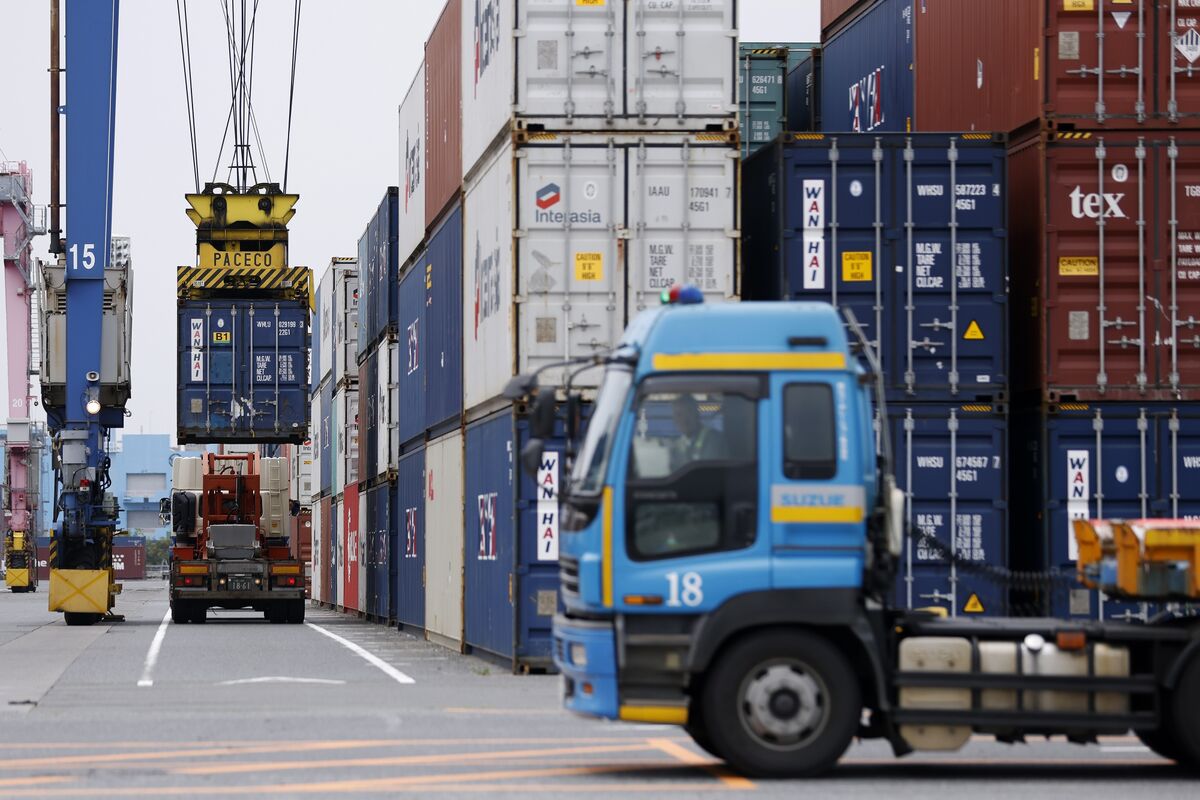
President Trump announced a 25% tariff on goods from Japan and South Korea, effective August 1, citing their failure to secure new trade deals with the U.S. This unilateral action is presented as the initial step in a broader series of similar measures, signaling an escalating trade policy that could significantly impact global supply chains and economic stability in key Asian markets.
The U.S. administration's decision to impose a blanket 25% tariff on goods from Japan and South Korea, effective August 1, marks a significant and hawkish escalation of its protectionist trade policy. This unilateral action, characterized by a strongly negative sentiment score (-0.75), extends trade friction beyond China to two critical U.S. allies and integral parts of global technology and automotive supply chains. The high market impact score of 0.7 reflects the anticipated disruption to these sectors. The announcement's framing as the first in a "flurry" of such measures introduces substantial forward-looking uncertainty for global trade, suggesting a period of heightened geopolitical risk and potential retaliatory actions. This policy shift directly threatens corporate profitability for companies reliant on components or manufacturing from these nations and could fuel broad market volatility.
AI-powered research, real-time alerts, and portfolio analytics for institutional investors.
Request DemoOverall Sentiment
strongly negative
Sentiment Score
-0.75
