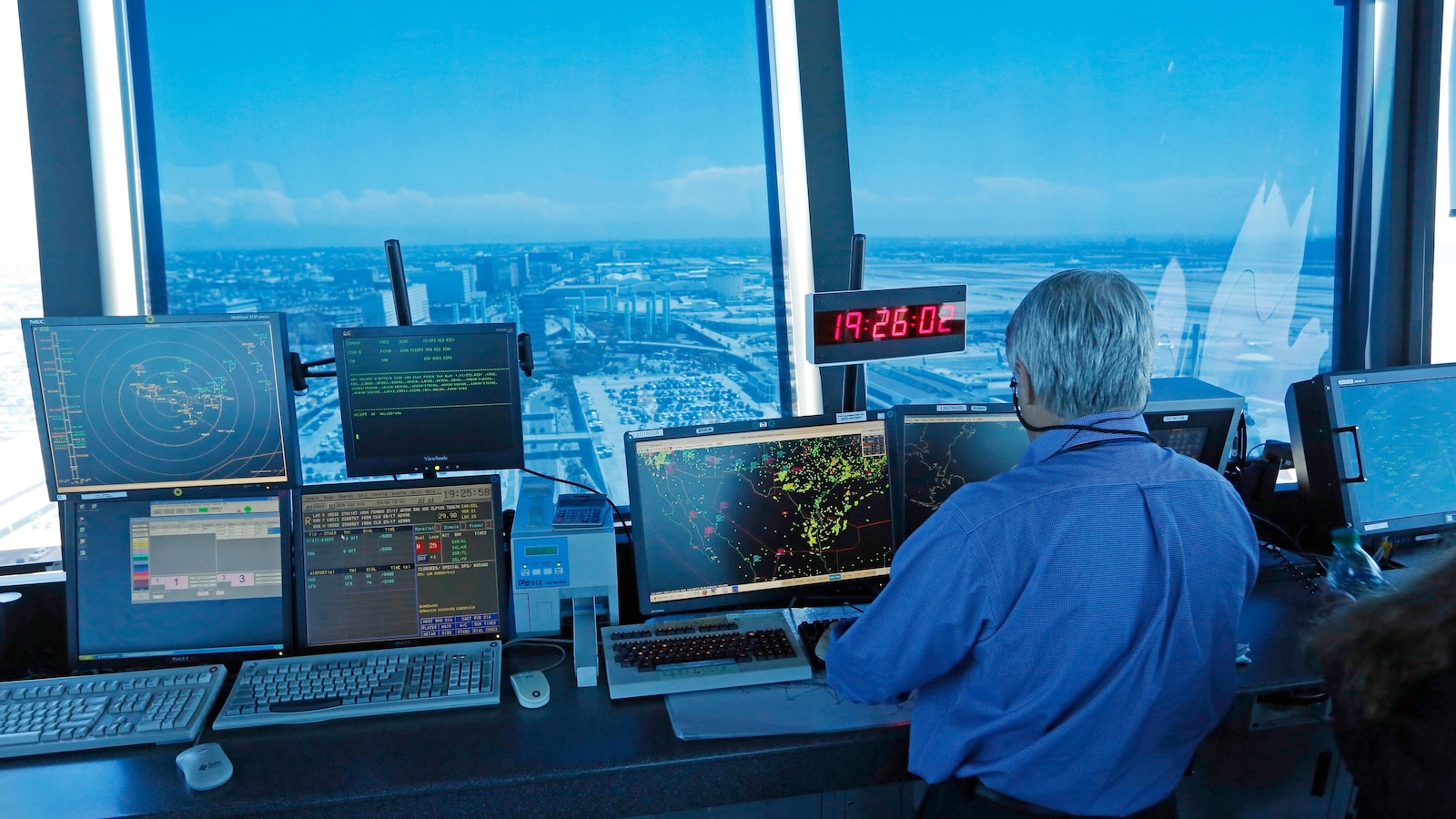
The FAA selected RTX and Spain's Indra to replace 612 aging radar systems nationwide by summer 2028, consolidating 14 legacy radar types as part of a multibillion-dollar air traffic control overhaul. The agency has spent most of a $3 billion equipment budget on maintenance, committed more than $6 billion of a $12.5 billion Congressional appropriation, and officials warn an additional ~$20 billion may be required to finish modernization; outages at major hubs like Newark highlighted operational risks of the existing 1980s-era equipment.
Winners are prime contractors and systems integrators (RTX and Indra) and fiber-optic/network equipment suppliers; losers are legacy maintenance specialists and marginal spare-parts marketplaces (eBay-reliant sellers) as FAA shifts ~$12.5B+ program spending and an expected additional ~$20B toward modern hardware through 2028. Competitive dynamics favor incumbents with FAA certifications and scale — expect RTX to win follow-on integration/subsystem work and push smaller peers to niche subcontracting, preserving or expanding RTX’s aftermarket pricing power over 2–5 years. Cross-asset: modest upward pressure on industrials/defense equities and capex-linked cyclicals; negligible macro impact on Treasuries, but watch incremental federal issuance narratives if funding gap (~$20B) becomes recurring across agencies.
Tail risks include major cost overruns, cybersecurity flaws in new systems, or a change in political priorities that delays appropriations — each could wipe out expected multi-year revenue; probability low-medium but impact high. Immediate (days) reaction will be limited to contractor guidance; short-term (weeks–months) hinge on contract terms disclosure and backlog recognition; long-term (years to 2028) is execution risk and warranty/cyber liabilities. Hidden dependencies: concentration in oversight (Peraton) and foreign-sourced components (Indra) that create geopolitical or supply-chain single points of failure. Key catalysts: FAA budget appropriations (next 30–90 days), RTX/Indra bids and Qs, and demonstration tests toward summer 2028.
For trading, direct long in RTX is the highest-conviction play: allocatable revenue and aftermarket services driven by 612-unit replacement. Pair trade: long RTX (or Indra where accessible) vs. short smaller legacy maintenance names or under-capitalized suppliers that lose share; use size-limited positions until contract revenue is disclosed. Options: use 9–15 month call spreads on RTX to capture execution upside while capping downside; consider buying volatility ahead of quarterly updates. Rotate 2–5% portfolio weight from airlines/utilities into defense-capex names if program funding signals firm by Q3 2025.
Consensus misses project-level execution, cyber-liability tail risk, and the subtle demand hit to copper miners from fiber upgrades — the market underprices the multi-year service annuity for contractors and overprices spare-part marketplaces. Historical analog: FAA and DHS modernization programs have produced front-loaded supplier outperformance followed by mid-term flat returns as execution risk materializes — expect similar pattern here. Unintended consequences include increased scrutiny on single-vendor dependencies that could fragment future awards and pressure margins if contractors must indemnify cybersecurity incidents.
AI-powered research, real-time alerts, and portfolio analytics for institutional investors.
Request DemoOverall Sentiment
mildly positive
Sentiment Score
0.25
Ticker Sentiment
