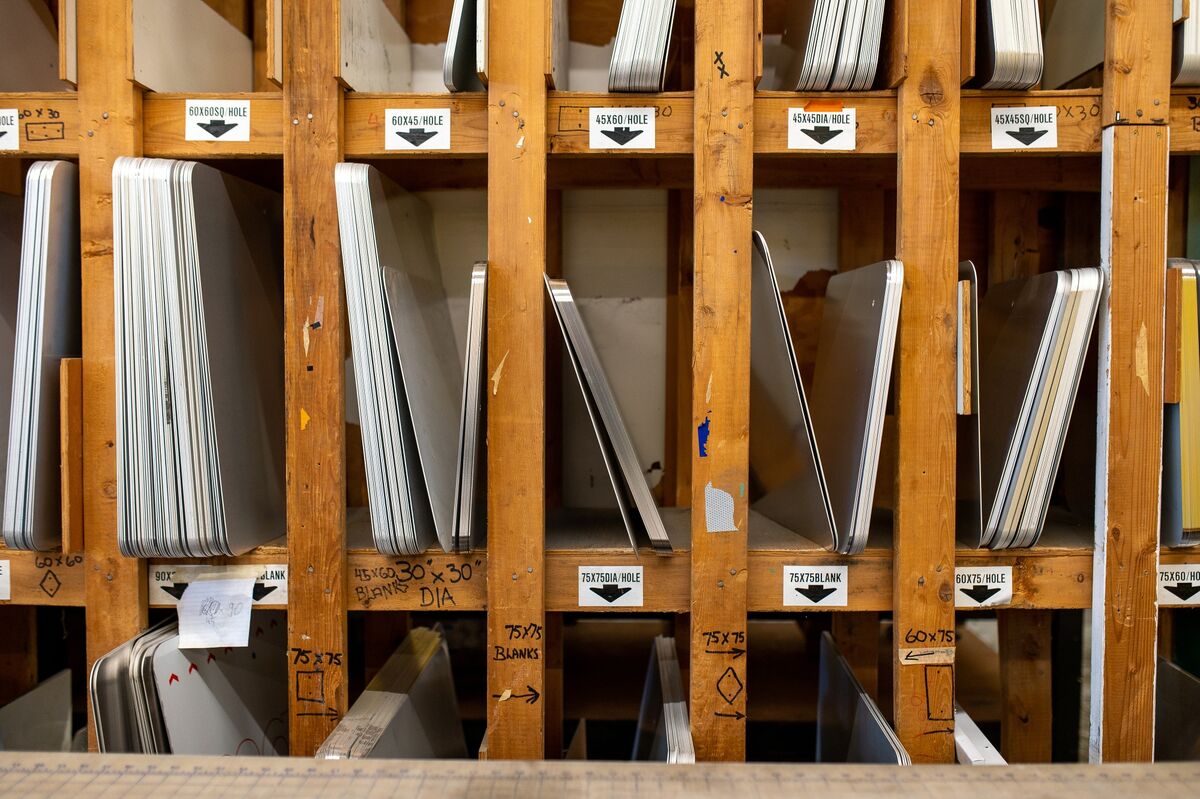
Sinobec Group Inc., a Canadian aluminum trader, has filed for bankruptcy in the US and Canada, citing the impact of the American trade war as a key factor in its financial collapse. The company, which facilitates transactions between buyers and sellers of aluminum ingots and finished products, stated in court filings that the trade war exacerbated its existing debt restructuring challenges, ultimately leading to its insolvency.
Sinobec Group Inc., a Canadian aluminum trading firm, has filed for bankruptcy protection in both the United States and Canada, explicitly citing the intensification of its debt restructuring challenges due to the American trade war. The company, which facilitates transactions in aluminum ingots and finished products such as building materials and shower doors, detailed in its Illinois federal court filings that these trade policies were a critical factor in its insolvency. This development, characterized by an "extremely negative" sentiment score (-0.9), illustrates the direct and severe consequences of trade protectionism on businesses involved in commodity markets and international supply chains. Although the market impact score of 0.35 suggests a limited immediate systemic effect from this specific event, Sinobec's failure serves as a concrete example of how geopolitical trade actions can exacerbate financial vulnerabilities and lead to corporate collapse, particularly relevant given the identified themes of "Trade Policy & Supply Chain" and "Tax & Tariffs."
AI-powered research, real-time alerts, and portfolio analytics for institutional investors.
Request DemoOverall Sentiment
extremely negative
Sentiment Score
-0.90
