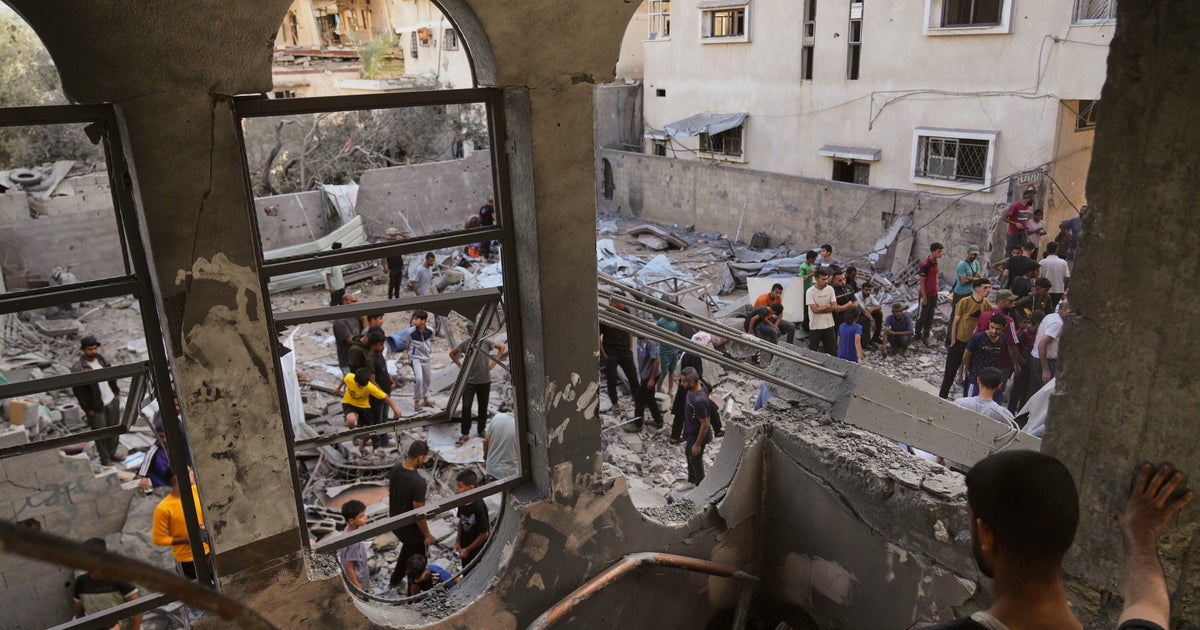
Recent Israeli airstrikes and gunfire have killed at least 59 people across Gaza, exacerbating a severe humanitarian crisis with hospitals under threat and aid deliveries halted, particularly in northern areas facing famine. Despite increasing international calls for a ceasefire, Israeli Prime Minister Netanyahu reaffirmed his commitment to continuing the campaign against Hamas at the UN, while former President Trump indicated progress on a deal for de-escalation and hostage release, with a scheduled meeting with Netanyahu. This escalating conflict and humanitarian emergency underscore significant regional instability, posing continued geopolitical risks and potential for broader market implications.
The conflict in Gaza is intensifying, marked by recent Israeli strikes that resulted in at least 59 fatalities and a deepening humanitarian crisis. Healthcare infrastructure is collapsing, with hospitals facing direct threats, supply shortages, and operational shutdowns, compelling aid groups like Doctors Without Borders to suspend activities due to unacceptable risk. This situation is exacerbated by a halt in aid deliveries to northern Gaza, which experts report is experiencing famine. On the diplomatic front, a significant divergence is apparent; while international pressure for a ceasefire mounts, evidenced by a delegate walkout at the UN and more countries recognizing Palestinian statehood, Israeli Prime Minister Netanyahu remains defiant, vowing to "finish the job." A key potential catalyst is the involvement of former U.S. President Trump, who has indicated progress on a deal to ease fighting and is scheduled to meet with Netanyahu. The situation's high market impact score of 0.7 underscores significant geopolitical risk, pointing to heightened regional instability that could spill over into broader markets, particularly affecting energy prices and investor risk appetite.
AI-powered research, real-time alerts, and portfolio analytics for institutional investors.
Overall Sentiment
strongly negative
Sentiment Score
-0.80
