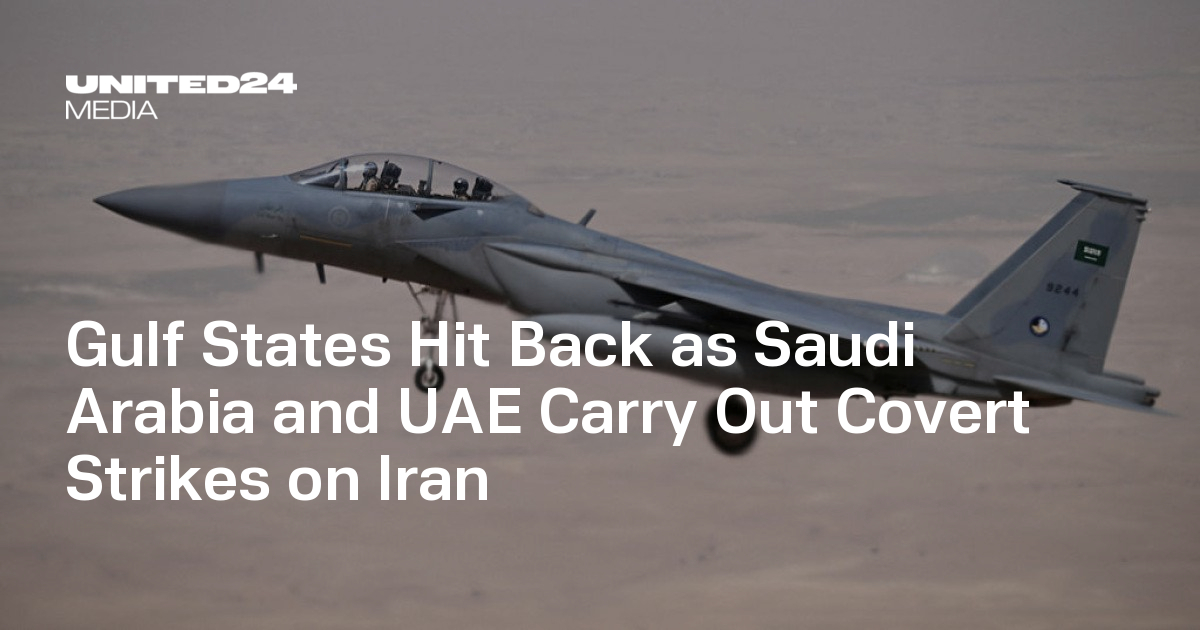
Saudi Arabia reportedly carried out covert air strikes on Iran in late March, marking the first known direct Saudi military action on Iranian soil, while the UAE launched parallel strikes. The retaliation helped drive projectile attacks on Saudi Arabia down from over 105 in the final week of March to just over 25 in early April, even as the conflict disrupted the Strait of Hormuz and threatened regional shipping and oil flows. The article also cites a possible Russian contingency plan to supply Iran with up to 5,000 jam-resistant drones, underscoring elevated regional escalation risk.
The key market implication is that the Gulf states are trying to convert a pure security shock into a managed, bilateral deterrence regime. That matters because when the threat is contained through back-channel signaling rather than open escalation, the risk premium in energy and shipping can mean-revert faster than headlines suggest, even if the underlying regional rivalry persists. In other words: the market should price a lower probability of sustained supply interruption, but a higher frequency of short-lived volatility spikes.
The second-order winner is not just Gulf producers, but any asset class tied to route reliability: tanker operators, port throughput, and insurance intermediaries should see less extreme tail pricing if the Red Sea/Hormuz corridors remain functionally open. The loser is the “war premium” long in crude and defense proxies that depends on prolonged closure dynamics; if the conflict is increasingly fought through covert punitive actions plus diplomacy, those trades lose convexity. The more interesting medium-term effect is on GCC autonomy: repeated success in self-help deterrence reduces the perceived need for immediate U.S. intervention, which may gradually compress the geopolitical discount on Gulf sovereign risk and local equity multiples.
The main tail risk is miscalculation: a single high-casualty strike on energy infrastructure or a U.S./Israeli involvement shock could snap the informal de-escalation and reprice oil and freight within hours, not weeks. Over a 1-3 month horizon, the base case is lower realized disruption but elevated event risk clustering around retaliatory anniversaries and high-visibility shipping chokepoints. The contrarian point is that the market may be underestimating how quickly covert coercion can stabilize flows once both sides understand the costs; that argues for fading panic spikes rather than carrying large outright hedges indefinitely.
AI-powered research, real-time alerts, and portfolio analytics for institutional investors.
Request DemoOverall Sentiment
strongly negative
Sentiment Score
-0.55
