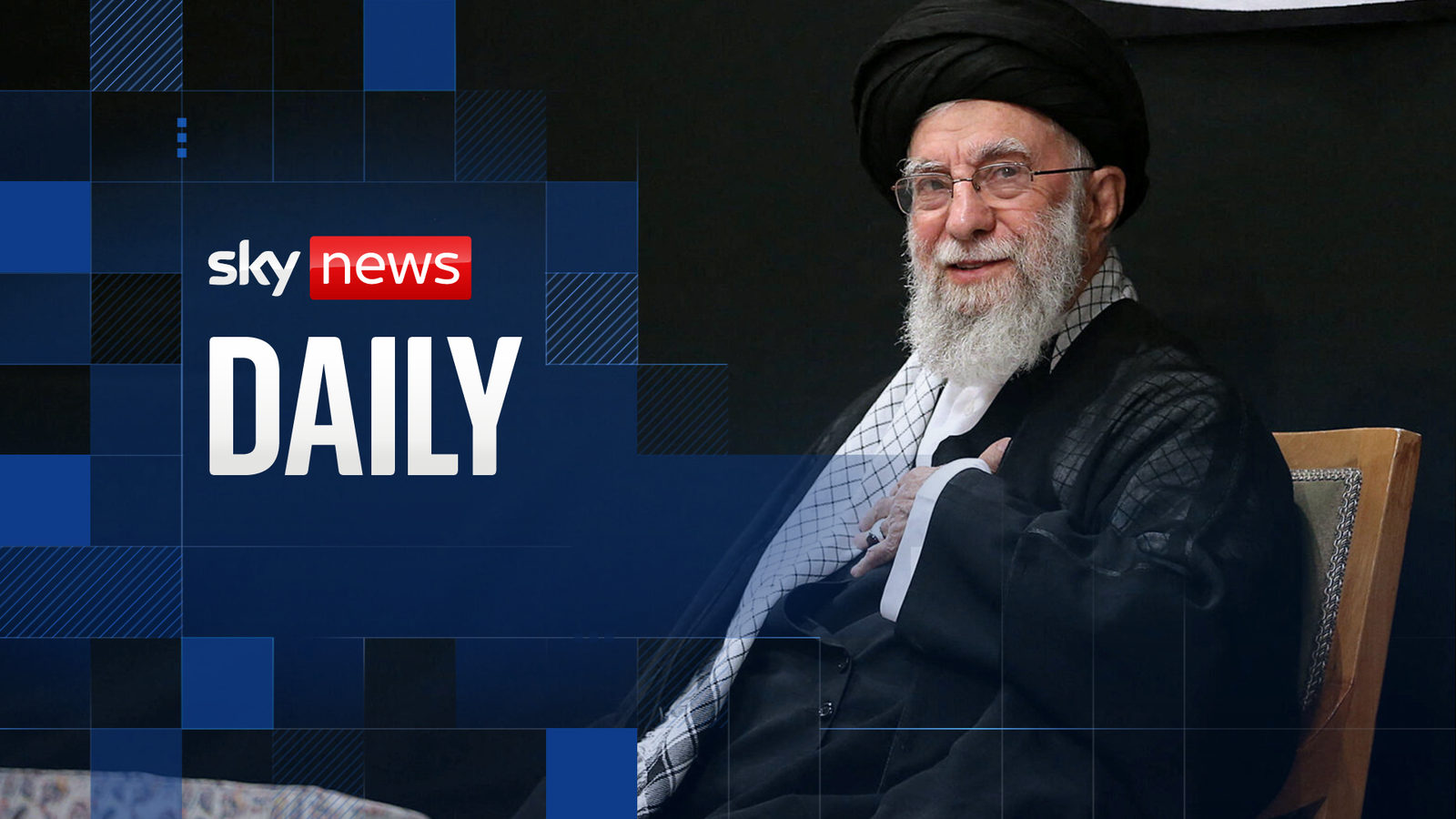
A recent UK government report warns of a "significantly" increased threat of physical attacks by Iran on UK residents since 2022, a claim Iran rejects. This heightened security concern, discussed in the context of the recent Israel-Iran conflict, underscores potential shifts in the Middle East's geopolitical hierarchy and Iran's global ambitions, signaling elevated regional risk and implications for international stability.
A UK government report has officially escalated the perceived threat from Iran, citing a "significant" increase in the risk of physical attacks on UK soil since 2022. This development, which Iran dismisses as a hostile allegation, occurs in the direct aftermath of a recent 12-day conflict between Israel and Iran, suggesting a potential shift in Tehran's strategic posture towards the West. While the immediate market impact is assessed as low, the announcement signals a material increase in geopolitical risk. The situation raises critical questions about Iran's current global ambitions and the stability of the Middle East's power dynamics, creating a more uncertain and volatile backdrop for international relations and security. This heightened state of alert could have follow-on implications for defense spending and diplomatic relations.
AI-powered research, real-time alerts, and portfolio analytics for institutional investors.
Request DemoOverall Sentiment
neutral
Sentiment Score
0.00
