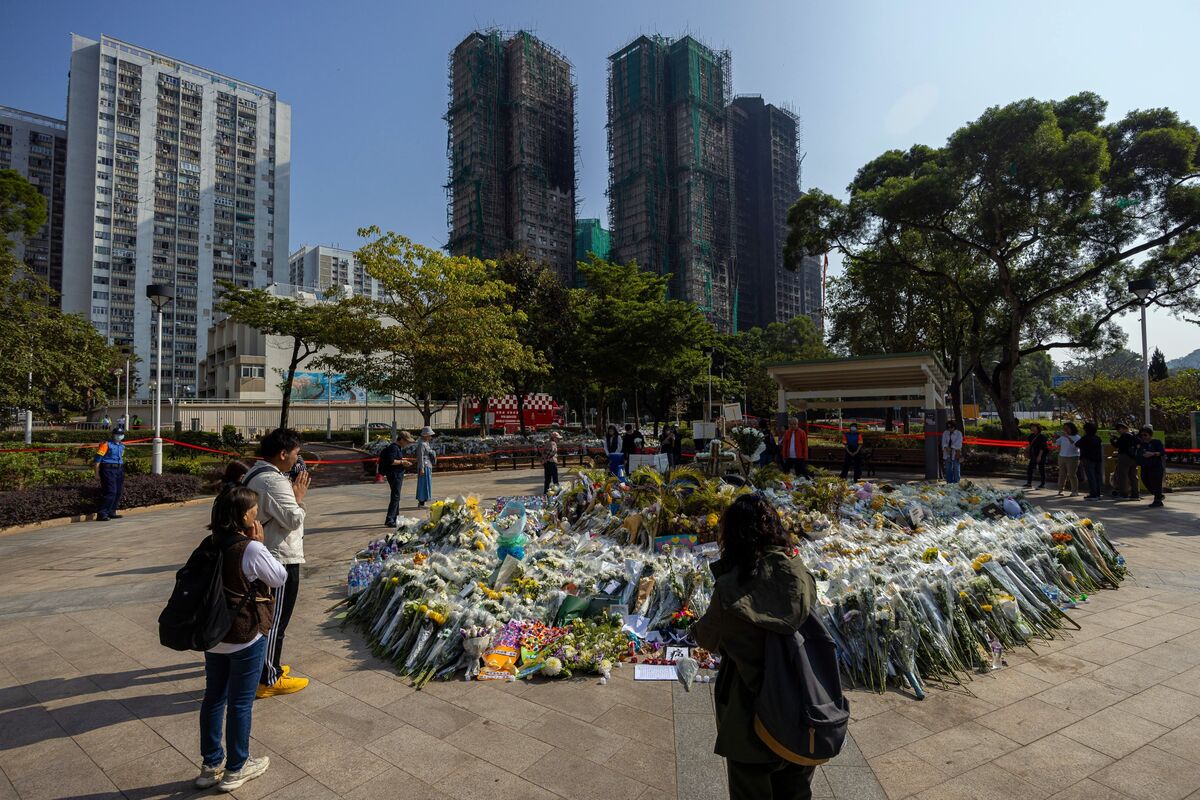
Hong Kong is holding a Legislative Council election amid elevated public anger following the city’s deadliest fire in nearly 80 years. About 4 million eligible voters will choose 90 lawmakers from 161 government‑vetted candidates for four‑year terms, a vote that increases near‑term political risk and could weigh on investor sentiment and asset prices in the territory if unrest or policy shifts materialize.
Market structure: The vetted-legislature outcome implies limited institutional policy change but an elevated political-risk premium for Hong Kong-listed assets. Expect differential hits: consumer retail, local tourism, and small-cap domestic plays face 2–8% downside risk over days–weeks from flow volatility, while state-linked utilities/sovereign-proxies retain pricing power. Cross-asset: short-term bid for USD, JPY and gold; expect a 5–15bp widening in HK dollar/Hong Kong-dollar HIBOR funding spreads if outflows intensify.
Risk assessment: Tail risks include sustained civil unrest, a mainland intervention in governance or market-access measures, or capital-control signals that would trigger >15% drawdowns in HSI—low probability but high impact. Timeline: immediate liquidity shock (0–14 days), medium-term capital reallocation (1–6 months), and potential structural re-pricing of Hong Kong credit and listings over 6–24 months. Hidden dependency: mainland Beijing reaction (support vs. tightening) will be the dominant first-order catalyst.
Trade implications: Tactical plays should hedge event risk—buy protection or short Hong Kong beta while overweighting safe-haven rates and gold. Relative-value: mainland SOE/dollar-funded names could outperform HK retail/tourism; use pair trades to express this. Options are preferred for defined-risk exposure 1–3 month horizon; reduce direct exposure to levered property developers.
Contrarian angles: Consensus may over-discount high-quality quasi-state HK names; utilities, toll-roads and monopoly-like assets could be oversold by 10–20% and mean-revert if Beijing signals stabilization. Historical parallel: 2019 protests delivered ~20% troughs then recovered within 6–12 months once policy support arrived—prepare for asymmetric payoffs if market pricing becomes panic-driven.
AI-powered research, real-time alerts, and portfolio analytics for institutional investors.
Request DemoOverall Sentiment
moderately negative
Sentiment Score
-0.30
