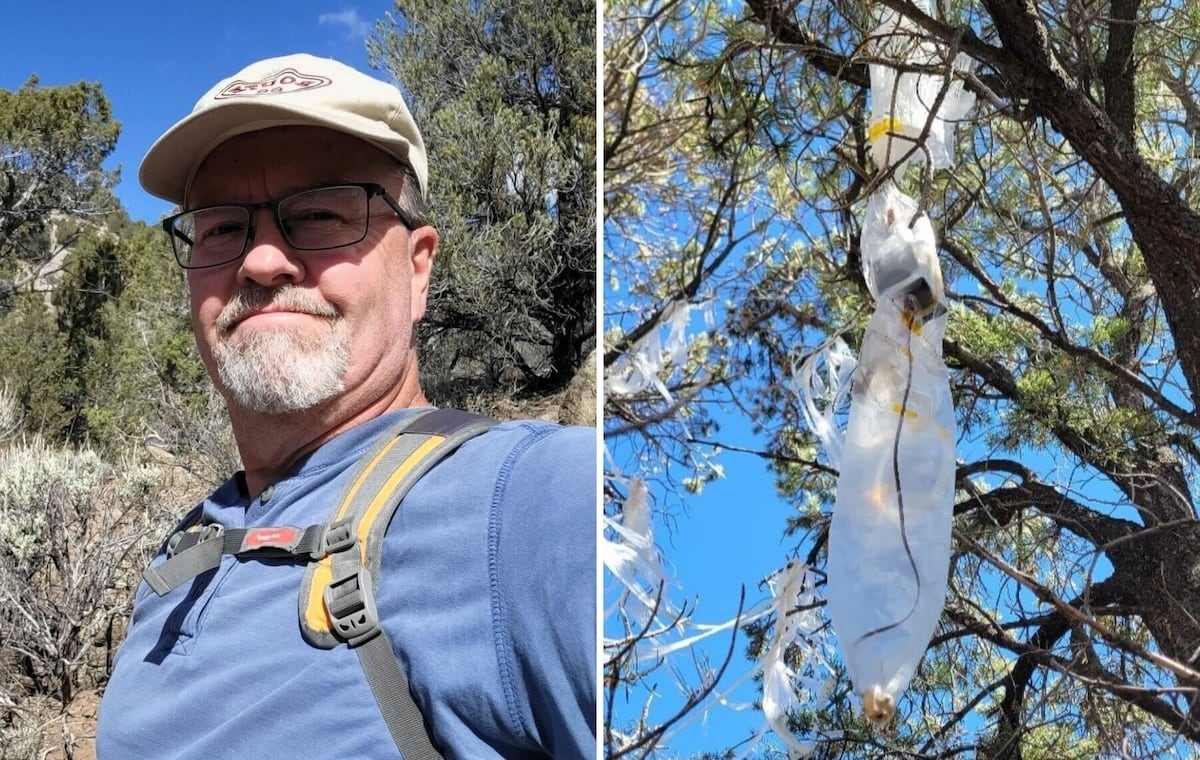
United Airlines Flight 1093 was diverted after its windshield cracked, an incident now strongly linked to a collision with a weather balloon operated by WindBorne Systems, a private company providing AI-driven forecast data. WindBorne's CEO has acknowledged the probable impact, stating compliance with regulations while announcing software updates to reduce balloon presence in commercial flight paths and explore payload modifications. This event raises significant aviation safety concerns and potential regulatory scrutiny for commercial weather balloon operations, impacting WindBorne's operational protocols and the broader industry.
United Airlines Flight 1093 (UAL) was diverted after its windshield cracked, an incident now strongly linked to a collision with a weather balloon operated by WindBorne Systems. A hobbyist's investigation revealed a WindBorne balloon's last transmission at 36,000 feet near Moab, coinciding with the flight's timing and altitude, leading to the probable identification of the object. The National Transportation Safety Board (NTSB) is investigating the collision, which resulted in at least one minor injury to a pilot. This event carries a moderately negative sentiment for UAL (-0.5) and overall (-0.4), with a low market impact score of 0.25.
WindBorne Systems' CEO, John Dean, acknowledged the probable impact, expressing concern despite the company's stated compliance with federal regulations, including issuing notices to pilots and coordinating with air traffic control. The company's long-duration balloons carry a 2.4-pound payload, significantly heavier than standard weather service balloons, and utilize AI for predictive models. This incident highlights potential risks associated with private sector high-altitude operations in commercial airspace, falling under themes of Artificial Intelligence, Regulation & Legislation, and Transportation & Logistics.
In response, WindBorne has already updated its software to reduce balloon presence between 30,000 and 40,000 feet and plans further enhancements for autonomous flight path avoidance and payload damage reduction. The event underscores increasing regulatory scrutiny for commercial weather balloon operations, particularly concerning safety protocols and collision avoidance in shared airspace. The FAA's Aeronautical Information Manual already instructs pilots to avoid such balloons, suggesting existing, but potentially insufficient, guidelines.
AI-powered research, real-time alerts, and portfolio analytics for institutional investors.
Request DemoOverall Sentiment
moderately negative
Sentiment Score
-0.40
Ticker Sentiment
