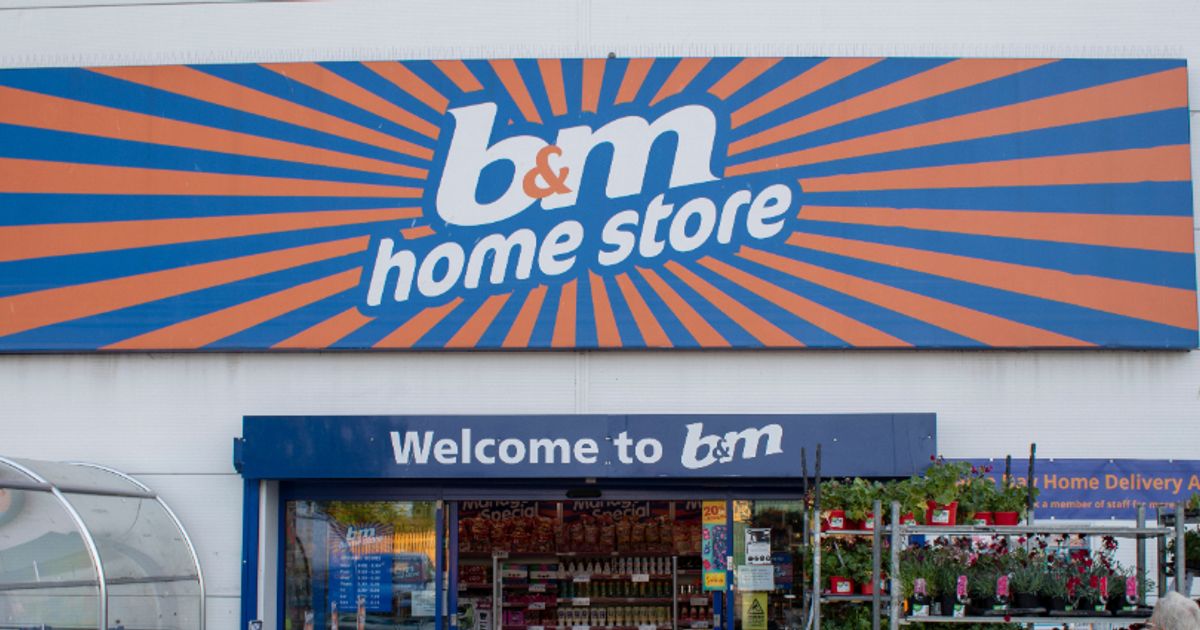
Deutsche Bank cut its price target on B&M to 175p from 180p and reiterated a 'hold', citing scepticism over the sustainability of early like-for-like sales improvements and doubt that management can return to double-digit EBITDA margins; Shore Capital remains more bullish, keeping a speculative buy as it sees recent UK trading improvement (around 3% LFL in December and a positive start to January) and a deeply discounted valuation. Management is pursuing a 'Back to Basics' turnaround—reducing SKUs, sharpening pricing and trialling availability improvements—while risks include margin squeeze from price investment and supply-chain complexity; the shares were down ~5% at 165.55p after a prior cut to EBITDA guidance.
Market structure: A successful B&M (LSE:BME) turnaround benefits value-oriented suppliers, private-label manufacturers and landlords (higher occupancy if store sales recover), while full-price incumbents and specialist non-discount general merch retailers risk further share loss. Early signs — ~3% LFL in Dec and a positive Jan — signal demand still price-sensitive; stocking and SKU cuts imply supply chains are normalising but reduce assortment elasticity, concentrating sales into fewer SKUs. Cross-asset: expect higher idiosyncratic equity volatility (options IV up), modest widening in retail credit spreads if guidance weakens, and negligible direct FX/commodity impact absent large inventory buying.
Risk assessment: Tail risks include an extended margin squeeze if management escalates price investment (EBITDA downside >20% vs current forecasts) or a botched Heron Foods exit that impairs cash flow; operational risks center on supply-chain complexity from SKU reduction. Immediate (days): headline-driven 5-10% swings; short-term (weeks–months): Q1 trading and margin trajectory clarity; long-term (quarters–years): whether BME can sustainably regain double-digit EBITDA — treat that as low probability within 12–24 months. Key hidden dependency: margin recovery relies on inventory availability + stable freight costs, not just pricing.
Trade implications: Tactical ideas — establish a 2–3% long in BME at or below 170p with a hard stop at 150p and a 9–12 month target of 220–250p, contingent on two consecutive months of LFL >2% and stable gross margin. If guidance weakens further, pivot to a short via borrow or buy a 6–12 month 140/120p put spread to limit capital at risk. Use a limited-cost bullish options structure (buy Jun 2027 200p calls, sell 300p calls) if you want convexity to a successful turnaround.
Contrarian angle: The street may be pricing a permanent structural decline; that’s likely overstated — modest sustained LFL growth (2–3%) could re-rate a deeply depressed valuation quickly given current cautious expectations. Historical parallels: UK discounters have delivered outsized earnings upgrades after inventory and range resets within 6–12 months. Unintended consequence: aggressive price investment could start a price war compressing sector margins — use triggers (sales cadence, Heron disposal timeline) to de-risk positions.
AI-powered research, real-time alerts, and portfolio analytics for institutional investors.
Request DemoOverall Sentiment
mixed
Sentiment Score
-0.10
Ticker Sentiment
