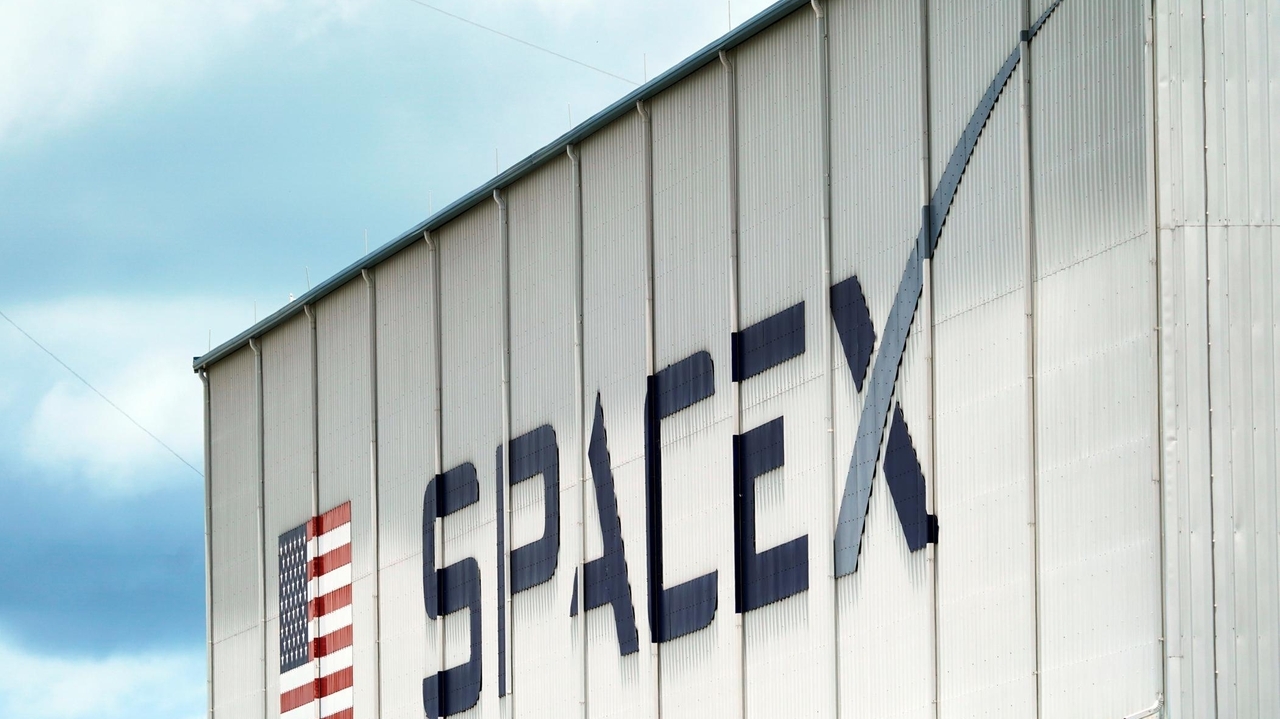
Elon Musk announced plans to combine SpaceX with his AI business and pursue a large IPO to fund up to roughly one million solar-powered satellites intended to serve as space-based data centers for AI workloads. Industry experts flagged major technical and operational hurdles — including heat rejection in a vacuum, space debris risk, limited satellite lifespans (current Starlink ~5 years) and high replacement costs for GPUs — and noted competition from Google (Project Suncatcher), Blue Origin and startups like Starcloud. Musk’s launch advantage and internal pricing (reportedly ~$2,000/kg versus up to $20,000/kg for rivals) could confer competitive leverage, but the proposal remains speculative and faces significant financial, environmental and engineering risks.
Market structure: Musk’s orbital data-center thesis is a demand amplifier for high-end GPUs (NVDA) and launch services (SpaceX if public) but a structural threat to earthbound data-center real estate (DLR, EQIX) only in a multi-year, high-capex scenario. Expect 5–20% incremental GPU demand over 2–3 years in baseline experiments and pilot constellations, but no wholesale replacement of terrestrial clouds within 3 years given thermal, debris and maintenance constraints.
Risk assessment: Tail risks include a Kessler-cascade style debris event or swift regulatory caps on constellation density that could spike launch costs >2x and strand assets — a low-probability, >$10B industry shock. Near-term (days–months) volatility will be driven by SpaceX IPO disclosures and regulatory filings; medium-term (6–18 months) execution/thermal engineering milestones; long-term (3–7 years) commercial viability and capex math determine winners.
Trade implications: Favor semiconductor and cloud incumbents that can monetize prototype launches: NVDA (direct GPU demand) and GOOGL (Project Suncatcher) with tactical options to control downside. Underweight data-center REITs and specialized launch providers without vertical integration. Cross-asset: higher capex expectations push credit spreads on smaller aerospace names wider by 50–150bp if capex funded by debt.
Contrarian angles: The market may underprice operational fragility: repairability and heat rejection make mass orbital AI uneconomic for decades; the nearer-term, investable payoff is concentrated GPU demand and launch pricing leverage, not immediate flux of data-center revenue. That suggests alpha in long NVDA/GOOGL vs short DLR pairs rather than speculative ‘‘space’’ small-caps.
AI-powered research, real-time alerts, and portfolio analytics for institutional investors.
Request DemoOverall Sentiment
moderately negative
Sentiment Score
-0.35
Ticker Sentiment
