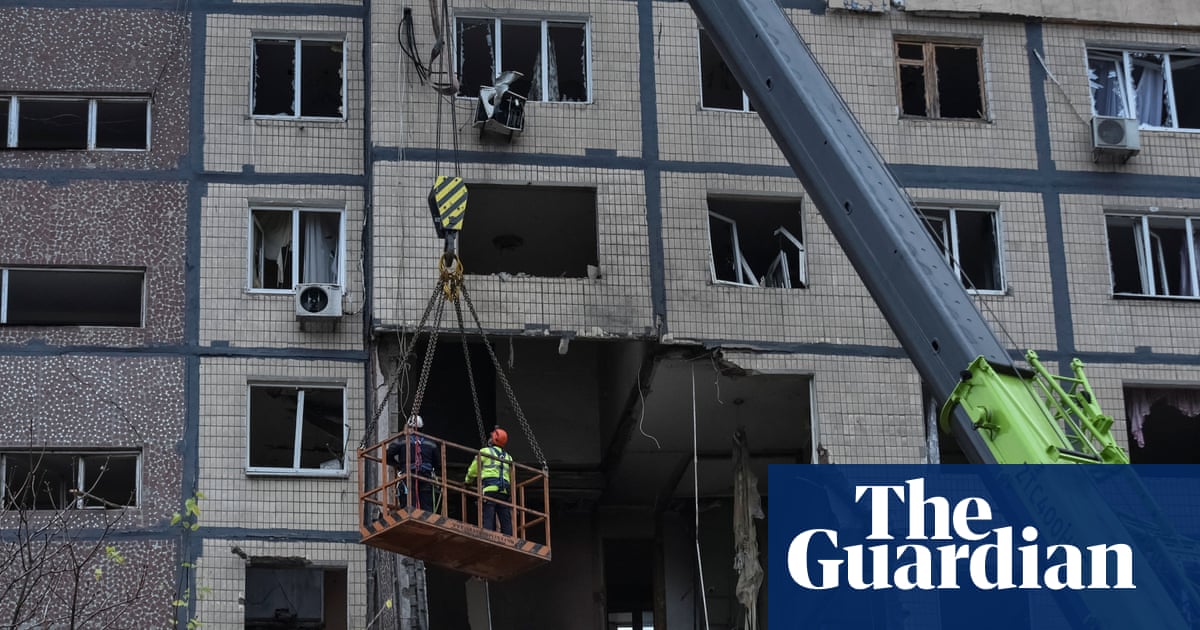
Russian drone and missile attacks severely damaged Ukrainian energy infrastructure in Kyiv, Poltava, and Kharkiv regions, causing significant disruptions to power, water, and heating supplies. In response, Ukrainian President Zelenskyy urged for increased sanctions on Russian energy, underscoring the escalating targeting of critical infrastructure and the persistent geopolitical instability as peace negotiations remain stalled. This situation implies continued volatility in energy markets and sustained economic uncertainty stemming from the prolonged conflict.
Russia's recent barrage of drones and missiles inflicted severe damage on Ukrainian energy infrastructure across Kyiv, Poltava, and Kharkiv regions, leading to four fatalities and widespread disruptions to essential services. This attack signifies an escalation in targeting critical infrastructure, with state energy firm Naftogaz reporting nine gas facility attacks in the past two months. Energy companies are actively working to restore services, with some cities resorting to generators for critical supplies.
Ukrainian President Zelenskyy immediately called for "no exceptions" sanctions on all Russian energy, directly linking military aggression to global energy policy. The persistent targeting of energy assets, coupled with the stalled peace negotiations and Russia's rejection of a frontline freeze, indicates a prolonged and volatile geopolitical landscape.
The ongoing conflict, described as a potential "forever war" by former Nato Secretary General Anders Fogh Rasmussen, will likely sustain significant volatility in global energy markets. The necessity for cities to resort to generators underscores the severe economic and humanitarian costs, impacting regional stability and investor sentiment, consistent with the strongly negative sentiment and high market impact signals.
AI-powered research, real-time alerts, and portfolio analytics for institutional investors.
Overall Sentiment
strongly negative
Sentiment Score
-0.80
