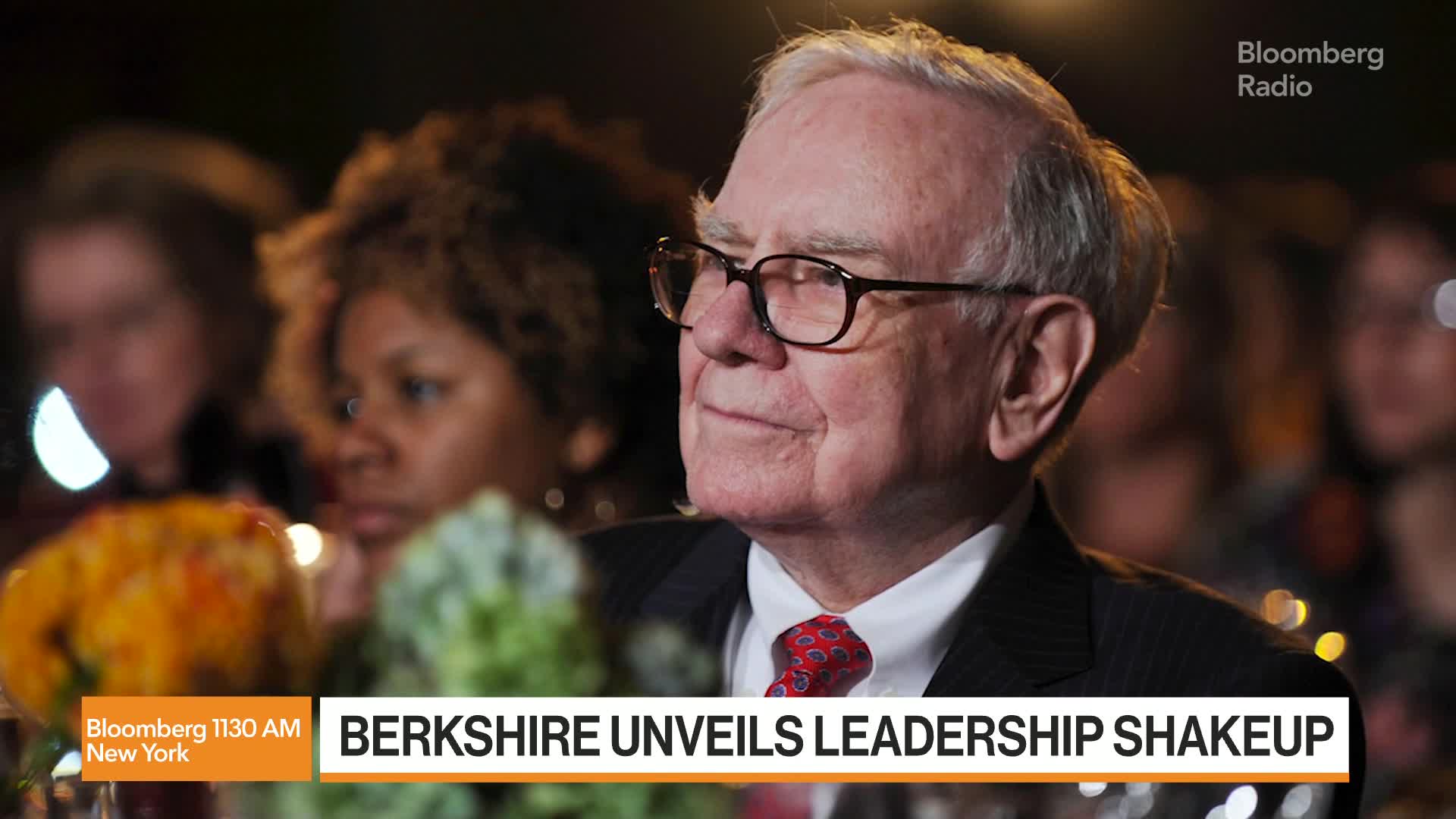
A senior investment deputy and the CEO of Geico is departing Berkshire to advise JP Morgan, a move that market participants view as an unwelcome shakeup given Warren Buffett's planned exit later this year. The note highlights rising auto loss costs at Geico and management's defensive response of cost cuts and policy shedding, questions about continuity of Berkshire's investment and insurance track record under successors (Greg Abel), and the establishment of an in-house general counsel; Berkshire shares are up ~8–9% YTD but investors are watching capital-allocation posture and governance changes closely.
Market structure: Leadership turnover at Berkshire (Buffett exit, Abel ramp, Geico head leaving to JPM) creates a two-way market: short-term selling pressure on BRK.B from governance and execution uncertainty, while banks and strategic advisors (JPM) and nimble insurers that managed loss-costs (PGR) are relative beneficiaries. Expect modest repricing: implied vol for BRK.B up 20–40% vs historical; insurance equities will re‑price on combined‑ratio differentials over next 3–12 months. Cross‑asset: large Berkshire portfolio moves could transiently pressure large-cap equities and push cash into US Treasuries; a material selloff (>5–10% BRK move) would tighten corporate credit spreads by flight‑to‑quality dynamics.
Risk assessment: Tail risks include a GEICO underwriting shock (cat loss or litigation expansion) that forces reserves +$5–10B and equity hit >10%, or Buffett/large shareholders accelerating sales, causing liquidity gaps. Near term (days–weeks) focus is on PR and board signals; medium (3–12 months) on Q3/Q4 insurance loss ratios and capital allocation cadence; long term (1–3 years) on whether Abel executes buybacks/major M&A (threshold: >$10B repurchases announced). Hidden dependencies: auto accident severity, used‑car price normalization, and reinsurance market pricing drive GEICO performance nonlinearly.
Trade implications: Favor relative long positions in disciplined underwriters (PGR) vs tactical short/hedge in BRK.B until clarity on capital allocation; use options to express event risk cheaply. Specific levers: initiate ~2–3% long PGR exposure (stock or 6‑month 1:3 call spread) targeting 15–25% upside if combined ratio improves <95% within two quarters; hedge with 0.5–1% portfolio BRK.B downside exposure via 3‑6 month puts (ATM) or a 1–2% notional short if volatility cheapens. Sector rotation: increase allocation to specialty reinsurance and well‑priced auto insurers; reduce sizing in large conglomerates lacking clear succession plans by 1–3% until capital actions are disclosed.
Contrarian angles: Street fears may be overstated — Abel has runway to shift capital aggressively; if Berkshire announces >$15B buybacks or repurchases >2% float in 6–12 months, BRK.B should rerate higher ~10–20%. Conversely, consensus underestimates tail litigation/regulatory risk from rising auto losses that could persist 12–24 months; watch GEICO combined ratio inflection (threshold >105%) as a catalyst to add shorts. Historical parallels: Berkshire transitions (post‑Buffett leadership changes) can be volatile but mean‑reverting when capital allocation clarity emerges within 3–12 months.
AI-powered research, real-time alerts, and portfolio analytics for institutional investors.
Request DemoOverall Sentiment
mixed
Sentiment Score
-0.05
Ticker Sentiment
