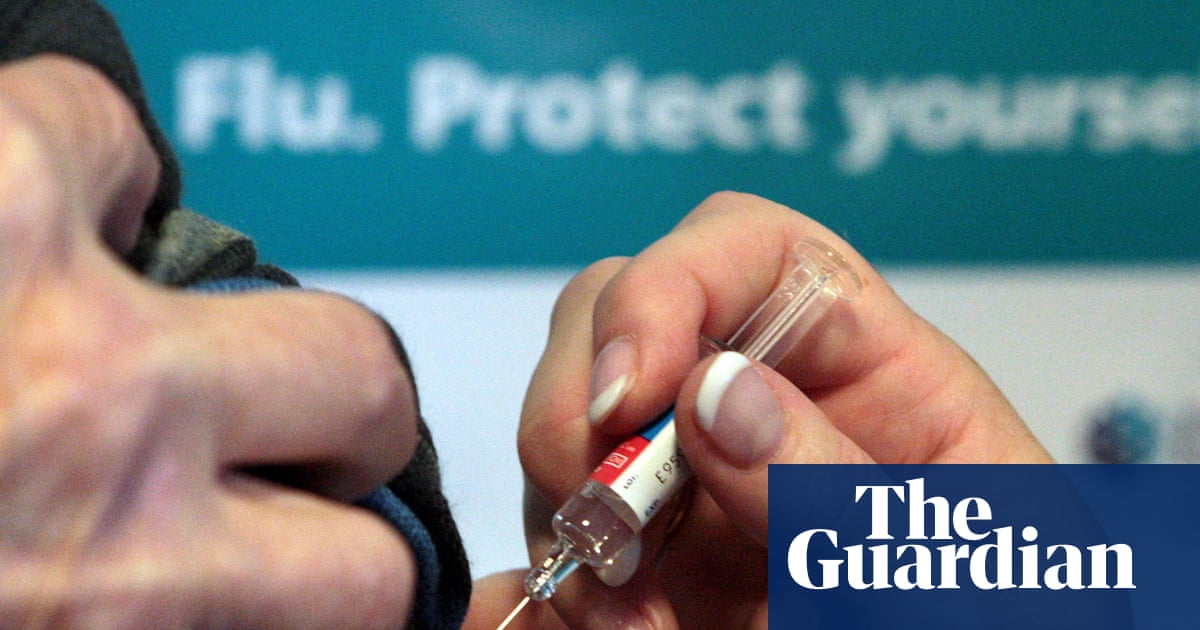
Hospitals across the UK are preparing for a potentially once-in-a-decade flu season driven by a mutated H3N2 strain — a descendant of the virus that fuelled Australia’s record season (more than 400,000 lab-confirmed cases) — which has become dominant and emerged more than a month early; the season’s R value is estimated at about 1.4 versus a typical 1.1–1.2, suggesting higher transmissibility. NHS trusts are accelerating staff and community vaccination drives, expanding same-day emergency care and implementing contingency staffing as resident doctor strikes constrain capacity; early UKHSA data indicate current vaccines are less effective at preventing infection but still offer strong protection against severe disease (vaccine effectiveness versus hospital attendance/admissions about 70–75% in children and 30–40% in adults). Given the strain’s propensity to hit older adults harder, health officials warn of rising hospital admissions that will increase pressure on beds and services and force operational trade-offs across the health system this winter.
A mutated H3N2 influenza strain, genetically descended from the virus that produced Australia’s record season (more than 400,000 lab-confirmed cases), has become dominant in the UK and triggered an earlier-than-normal start to the season; preliminary estimates put the R value at about 1.4 versus a typical 1.1–1.2, implying higher transmissibility and rapid spread that is currently highest in children but creeping into older age groups. UK health officials note the mutation may reduce vaccine protection against infection, although early UKHSA data show vaccines still give substantial protection against severe outcomes (vaccine effectiveness versus hospital attendance/admissions is ~70–75% in children and ~30–40% in adults). NHS trusts are implementing capacity measures — accelerating staff and community vaccination, expanding same-day emergency care, treating more patients outside hospitals, and enacting contingency staffing and appointment rescheduling amid a five-day resident doctor strike — actions that signal near-term operational strain. Key risks include a larger seasonal peak because of the early start, low vaccine uptake among people with long-term conditions (under one-third), and uncertainty whether the mutations increase clinical severity; these factors point to elevated hospital admissions and service disruption over coming weeks.
AI-powered research, real-time alerts, and portfolio analytics for institutional investors.
Request DemoOverall Sentiment
moderately negative
Sentiment Score
-0.50
