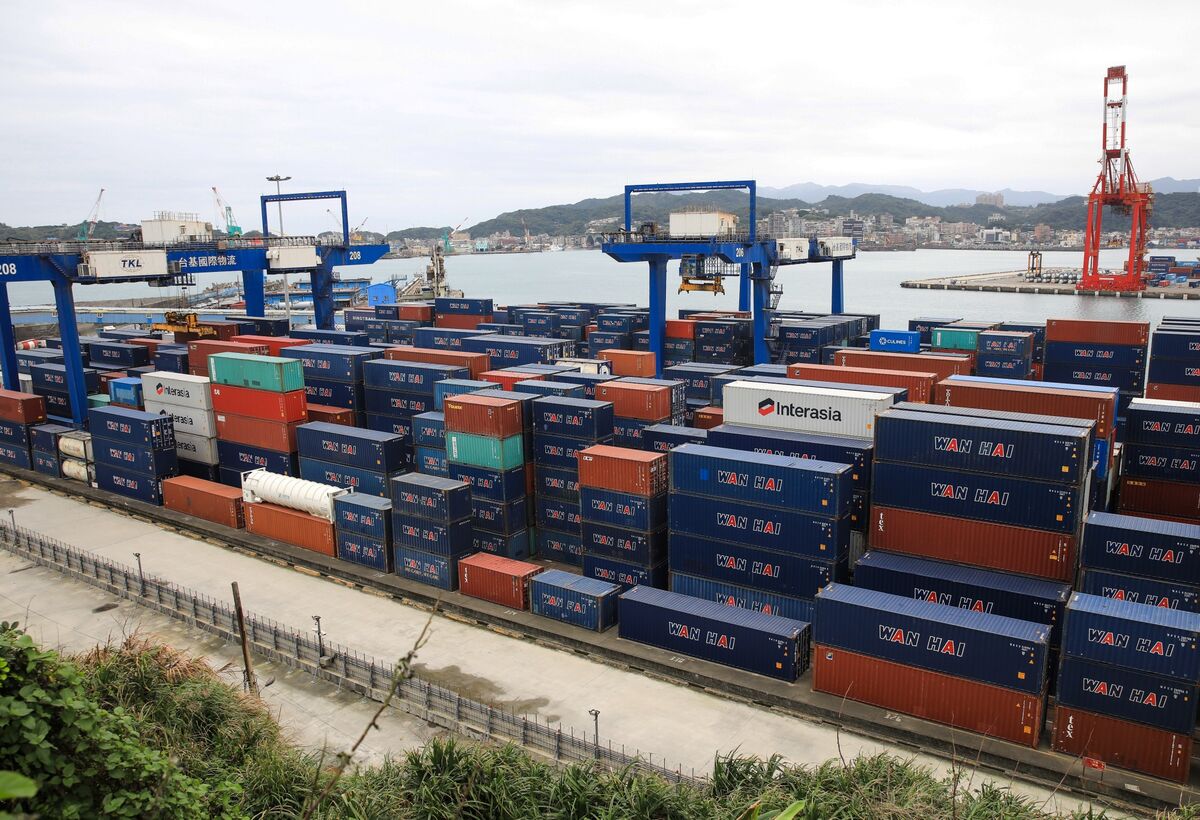
Taiwan's trade surplus with the US reached a record nearly $70 billion for January-July, already surpassing its full-year record set in 2024, driven by the global artificial intelligence boom. This surge saw US-bound shipments from Taiwan rise nearly 63% in July to $18.6 billion, highlighting the island's critical role in supplying tech products amid soaring AI demand.
Taiwan's trade dynamics with the United States are demonstrating extraordinary acceleration, primarily driven by the global boom in artificial intelligence. The trade surplus reached nearly $70 billion in the first seven months of the year, a figure that has already surpassed the record for any previous full year. This is not merely incremental growth but a structural shift, underscored by a staggering 63% year-over-year increase in US-bound shipments in July alone, which totaled $18.6 billion. The data firmly establishes Taiwan's critical and intensifying role in the high-tech supply chain, particularly as a supplier of essential components for AI infrastructure. The magnitude of this surplus points to a powerful economic tailwind for Taiwan's tech sector, fueled by concentrated and sustained demand from the world's largest economy.
AI-powered research, real-time alerts, and portfolio analytics for institutional investors.
Request DemoOverall Sentiment
strongly positive
Sentiment Score
0.85
