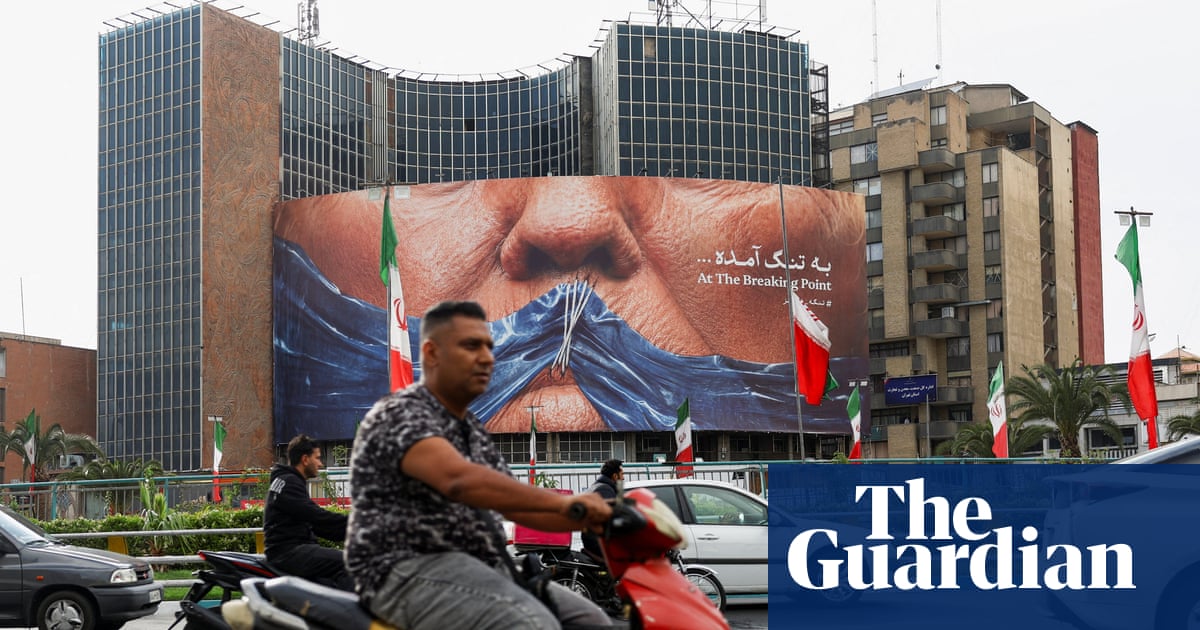
Iran has floated a new proposal to end the Middle East war, but negotiations remain stalled and reports suggest hostilities could resume imminently. The article points to possible concessions on Iran's nuclear program, uranium transfer to Russia, and a phased reopening of the Strait of Hormuz, while sanctions on oil exports may be waived during talks. The conflict is already affecting regional security, with drone attacks hitting Gulf states and renewed Israeli strikes in Lebanon, adding to upside risk for oil prices and broader market volatility.
The market’s biggest blind spot is not the likelihood of a formal deal, but the asymmetric risk that the negotiation theater itself keeps supply and shipping risk elevated while removing the cushion of clarity. Even a partial easing would likely be interpreted by energy traders as a temporary truce rather than a durable de-escalation, which means the risk premium in crude, refined products, and Gulf shipping insurance can remain sticky even if headline violence fades.
The second-order winner, if talks stall, is the US Gulf Coast refining complex and select non-Middle East barrels: any sustained disruption or fear of Hormuz friction widens the Brent-Dubai and Brent-WTI differentials, improving margins for refiners with access to discounted inland feedstock and export optionality. The loser is the global manufacturing complex, especially EM importers and Europe, where even a modest oil shock hits inflation expectations fast enough to delay central bank easing and pressure cyclicals.
The most important catalyst window is days, not months: any Trump cabinet meeting or media leak framing military options as imminent can reprice crude, shipping, and defense assets within a single session. Conversely, a verifiable sanctions waiver or uranium transfer would likely trigger a fast risk-on retracement in energy, but not necessarily in defense names, because markets will still price a high probability of ceasefire failure later in the quarter.
Contrarian view: the consensus may be overestimating Iran’s ability to monetize a threatened Hormuz lever. Actual closure is self-harmful and likely reversible only via brinkmanship, so the more durable trade is not a permanent supply shock but a volatility regime shift — higher realized oil vol, fatter tails in tanker rates, and recurring headline-driven spikes that favor options over outright directional bets.
AI-powered research, real-time alerts, and portfolio analytics for institutional investors.
Request DemoOverall Sentiment
strongly negative
Sentiment Score
-0.70
