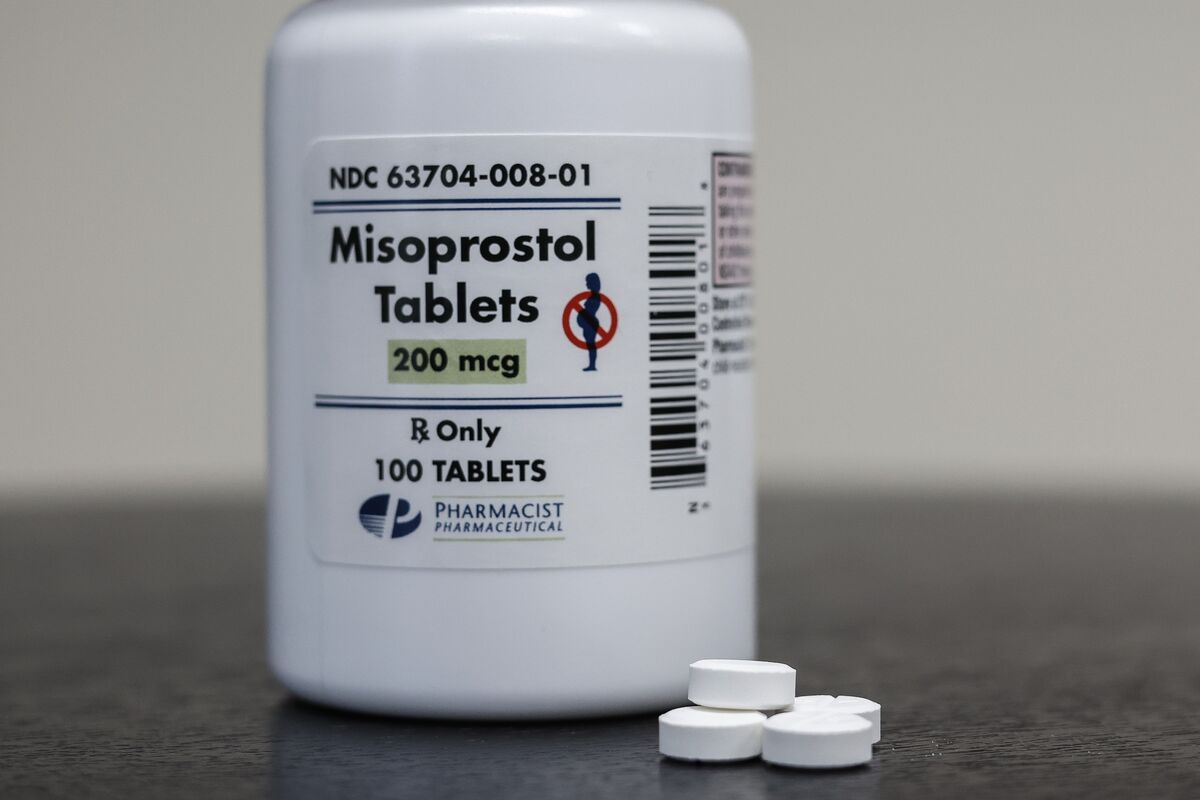
The abortion pill mifepristone is once again facing legal challenges in the US, with the Supreme Court temporarily blocking restrictions on its availability while it considers an appeal. This follows a lower court ruling that would have significantly limited access to the drug, potentially impacting reproductive healthcare access nationwide and raising concerns about the FDA's drug approval process. The legal battle adds uncertainty to the healthcare sector and could have broader political and social implications.
The abortion pill mifepristone is currently subject to renewed legal scrutiny in the United States, highlighted by the Supreme Court's decision to temporarily block restrictions on its availability while an appeal is considered. This action follows a lower court ruling that, if upheld, would significantly curtail nationwide access to mifepristone, thereby impacting reproductive healthcare services. The ongoing legal proceedings also raise substantive concerns regarding the integrity and authority of the Food and Drug Administration's (FDA) drug approval process. This situation introduces a notable degree of uncertainty within the healthcare sector, particularly for pharmaceutical companies and healthcare providers involved in reproductive health, and carries potential for broader political and social ramifications that could influence policy and public discourse.
AI-powered research, real-time alerts, and portfolio analytics for institutional investors.
Request DemoOverall Sentiment
neutral
Sentiment Score
0.00
