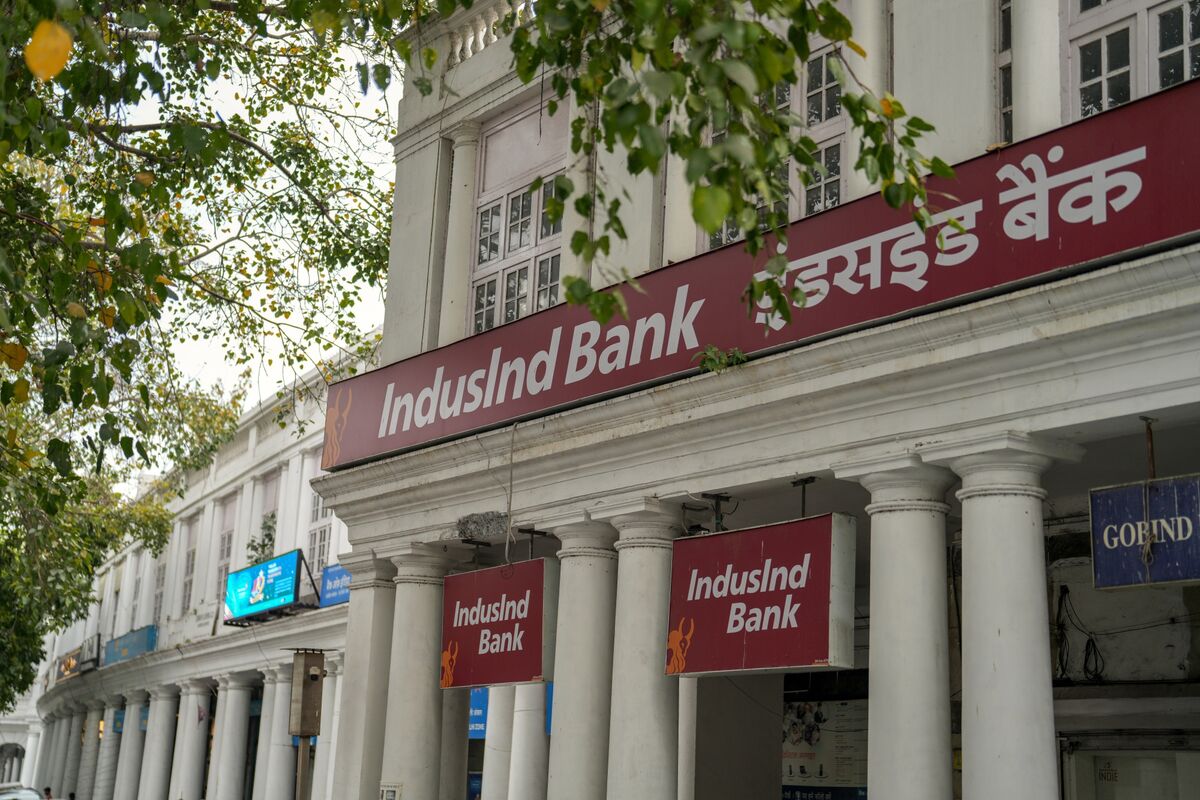
Troubled Indian lender IndusInd Bank Ltd. has appointed veteran banker Rajiv Anand, formerly of Axis Bank Ltd., as its new Chief Executive Officer, effective August 25 for a three-year term. This key appointment aims to help the bank recover from recent suspected fraud and accounting issues, prompting a positive market reaction evidenced by a jump in its shares.
IndusInd Bank Ltd. has made a decisive move to address its governance and operational challenges by appointing veteran banker Rajiv Anand as its new Chief Executive Officer. This appointment fills a critical leadership void for the lender, which has been contending with suspected fraud and accounting issues. The market's reaction was immediately positive, reflected in a jump in the bank's shares, indicating investor confidence in Anand's ability to steer a recovery. His background as deputy managing director at Axis Bank lends significant credibility to the appointment. The three-year term provides a stable runway for implementing a turnaround strategy, directly targeting the management and governance weaknesses that have troubled the bank.
AI-powered research, real-time alerts, and portfolio analytics for institutional investors.
Request DemoOverall Sentiment
strongly positive
Sentiment Score
0.75
