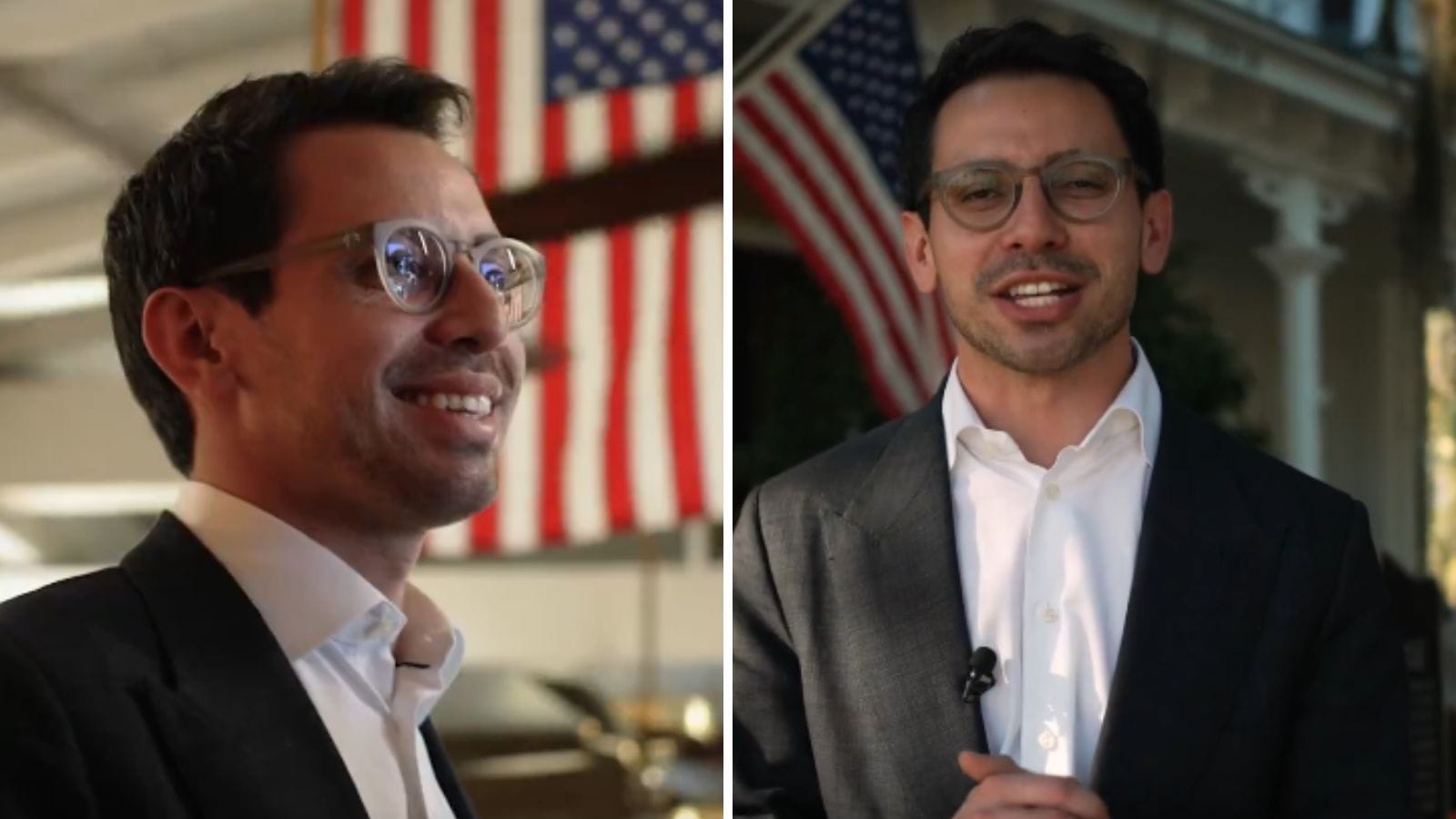
Republican gubernatorial hopeful James Fishback, a 30‑year‑old investor and co‑founder/CEO of Azoria Partners (launched 2023), vowed to fire all H‑1B workers in Florida state agencies, cancel state contracts with firms that employ H‑1Bs over qualified Floridians, block firms like Blackstone from buying Florida homes, cancel large AI data centres and abolish property taxes if elected. For investors, the platform raises targeted political and regulatory risk for tech firms reliant on H‑1B talent, government contractors with Florida exposure and large institutional real‑estate buyers, although enactment is uncertain and the statements currently represent campaign policy rhetoric rather than immediate law. The candidate also markets an Azoria Meritocracy ETF focused on S&P 500 companies that avoid DEI practices, underscoring the campaign’s overlap with corporate governance and ESG debates.
Market structure: A Fishback-style campaign is a localized political shock that directly threatens private‑sector contractors with Florida state exposure and branded buyers of Florida housing (Blackstone/BX, INVH, AMH). Winners would be U.S. domestic staffing and early‑career hiring plays (Robert Half/RHI, Manpower/MAN) if firms substitute H‑1B labor with higher‑cost Americans; expect local wage pressure of 1–3% in affected Florida tech/service labor markets over 6–12 months. Cross‑asset: headline risk should drive a transient risk‑off — compress equity risk premia, push yields down ~5–15bps and cause a 1–2% bid in USD safe assets on campaign escalation.
Risk assessment: Tail risk is low probability but high impact: if a candidate like Fishback wins statewide office and the law allows state‑level contracting bans, litigation and federal preemption fights could create multi‑quarter legal costs and lost contracts for BX and other bidders; probability today <15% but impact could be -5% to -15% revenue for exposed asset managers/REITs in worst case. Immediate (days) is headline volatility; short term (weeks/months) is campaign polling swings and contract cancellations; long term (years) depends on election outcome and federal preemption. Hidden dependency: state authority cannot unilaterally void federal immigration law for private employers, so many private‑sector effects are policy noise rather than enforceable shocks.
Trade implications: Take small, asymmetric hedges: short BX exposure via options to limit drawdown if headlines worsen, and tilt long RHI/MAN where domestic labor substitution benefits are real. Use pair trades (long RHI, short BX) to isolate policy exposure; if S&P futures gap down >2% on escalation, add 1–2% duration via TLT for tactical hedge. Options: buy 6–9 month BX put spreads (10–20% OTM) to cap cost; for REITs (INVH, AMH) consider reducing exposure by 1–3% if Florida‑weighted revenue >10%.
Contrarian angle: Markets likely overprice permanent damage to diversified players like BX; Blackstone’s Florida housing exposure is a small share of AUM so >10% BF‑driven selloffs create buying opportunities. Polling and legal limits make outright state‑level mass firings of H‑1Bs operationally unlikely; threshold-based entries (buy BX on >12% headline‑driven drop and when Fishback polls <15%) capture asymmetry. Historical parallel: 2016–20 immigration rhetoric produced transitory volatility but durable fundamentals recovered within 6–12 months.
AI-powered research, real-time alerts, and portfolio analytics for institutional investors.
Request DemoOverall Sentiment
mildly negative
Sentiment Score
-0.25
Ticker Sentiment
