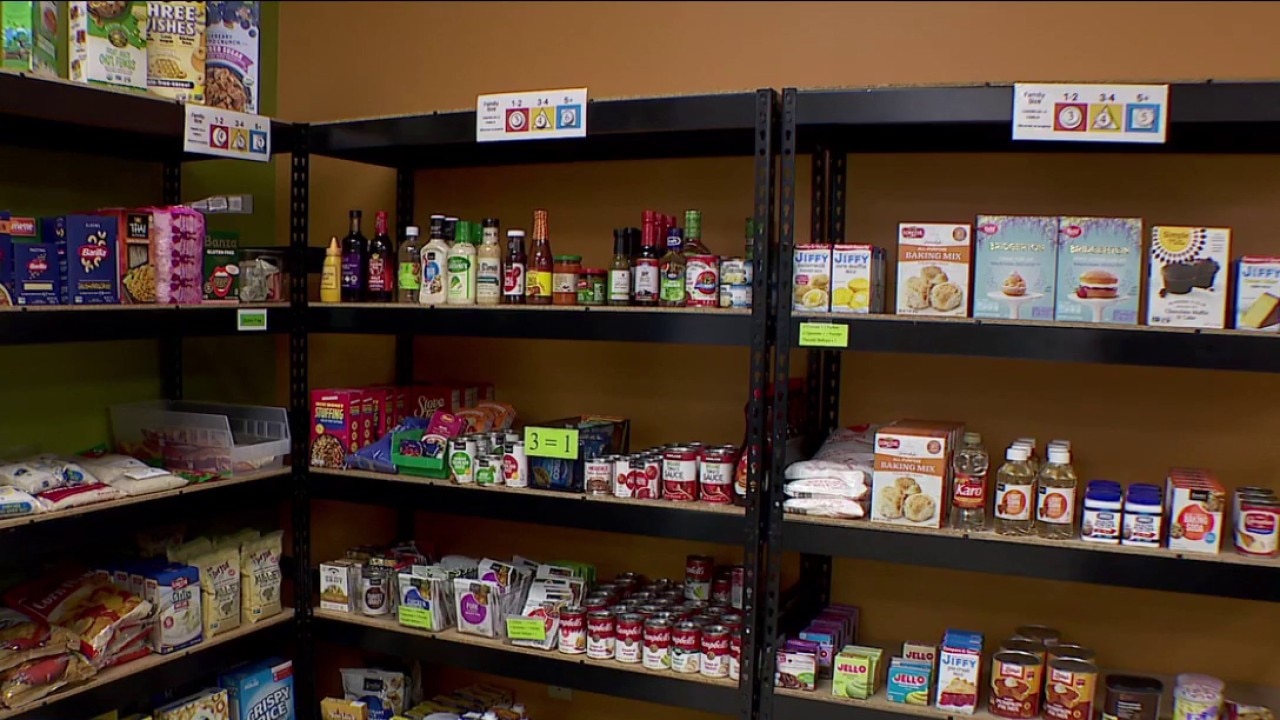
Ruby’s Pantry is ending operations effective immediately, closing all 85 pop-up sites across the upper Midwest including 37 Minnesota locations after ~20 years. The pantry served more than 300,000 families annually across MN, WI, IA and ND and operated on a $25 suggested donation model; officials cited financial unsustainability. Local food shelves (e.g., PROP, Second Harvest Heartland) expect to absorb increased demand amid rising food costs, creating near-term capacity strains for community food assistance.
The pantry shutdown is a localized shock that redistributes demand rather than destroys it; expect immediate volume and product-mix shifts into nearby food banks, dollar/value grocers, and municipal assistance programs. Mechanically this favors shelf-stable, private‑label staples (flour, rice, canned proteins) and increases short-term procurement from wholesale distributors who can supply palletized lots on short notice.
Timing matters: the immediate strain will show up in the next 2–12 weeks as households exhaust emergency stores and local food shelves rebalance inventories; a secondary stress period occurs around seasonal demand peaks (holidays/winter) when discretionary donor flows historically tighten. A meaningful reversal would require either rapid incremental philanthropic funding, municipal emergency grants within 30–90 days, or coordinated retailer donation programs that redirect retail inventory to distribution partners.
For policy/ESG flows, large national food banks and retailers have crisis playbooks and scale advantages — they can absorb incremental need but will do so at cost (transportation, repackaging, working capital), creating a short-term margin/timing hit. Longer term (12–24 months) this can accelerate private‑label share gains and deepen retailer-community relationships, creating durable consumer loyalty benefits for value-focused chains if they execute donation-plus-convenience programs effectively.
AI-powered research, real-time alerts, and portfolio analytics for institutional investors.
Request DemoOverall Sentiment
moderately negative
Sentiment Score
-0.45
