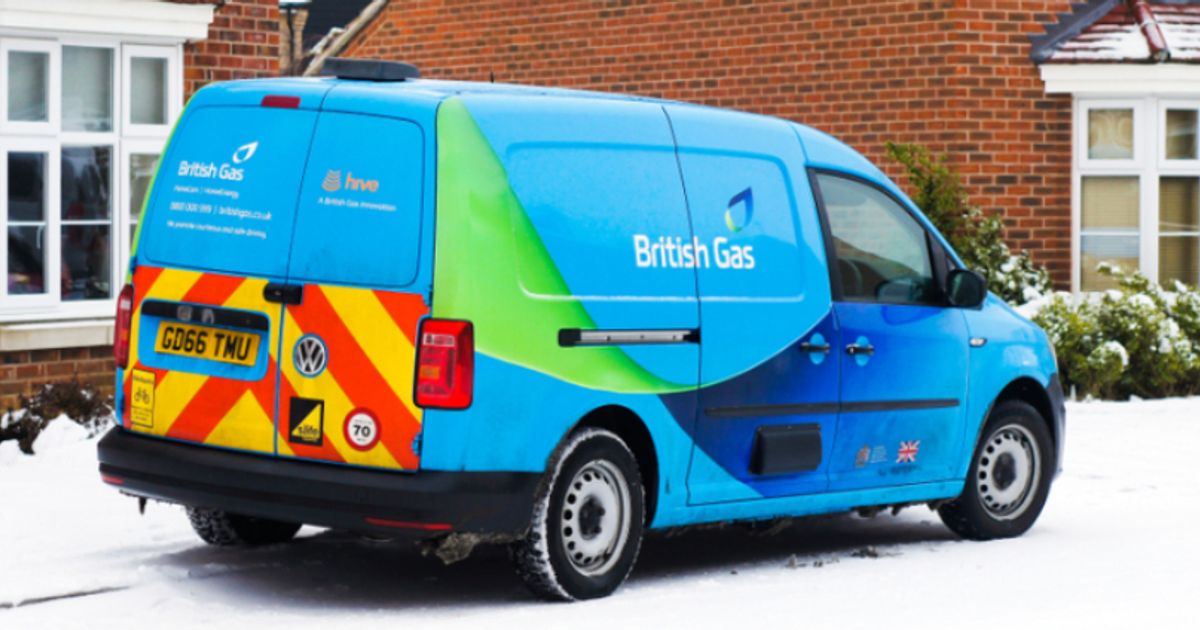
RBC Capital Markets raised its Centrica price target to 225p (from 215p) after the company extended the operating lives of four of five nuclear plants, which RBC says adds roughly £300m to projected EBITDA by 2030 and supports roughly 12% EPS growth per year through 2030. The report highlights the growing base of contracted infrastructure cash flows (Sizewell C, Isle of Grain, smart meters) but flags weaknesses in retail and optimisation: the trading arm guided ~£250m for 2026 (below medium-term range) and retail faces affordability pressure despite a £600m cost-transformation program. Near-term catalyst is the government’s Rough gas storage decision; shares were trading ~194.8p, up ~2% on the day.
Market structure: Centrica (LSE:CNA) is a clear winner from formal nuclear life-extensions—RBC’s +£300m EBITDA to 2030 boosts predictable, contracted cashflow and supports a 225p PT (vs 194.8p market). Winners also include EPC contractors and long-dated infrastructure investors; losers are pure retail-focused suppliers where affordability pressure will compress margins. Cross-asset: clearer contracted cash flow should compress Centrica’s credit spreads over 12–36 months but construction/regulatory risk can re-widen spreads; gas-storage outcomes (Rough) will move UK gas forwards and options skew and materially alter short-dated gas volatility and power spark spreads.
Risk assessment: Key tail-risks are government reversal on Rough or Sizewell C approvals, nuclear/CapEx overruns (Hinkley-like), or a sharp fall in gas prices that destroys trading/optimisation economics—each could remove the £300m upside or turn the £600m cost program into stranded spend. Immediate (days–weeks): market will reprice around the Rough decision and any updated 2026 trading guidance; short-term (months): proof points on the £600m transformation and trading arm hitting >£300m; long-term (years): realization of 2030 EBITDA and Sizewell C timelines. Hidden dependencies include commodity cycles driving optimisation value and government political risk on energy security subsidies.
Trade implications: Establish a modest 2–3% long position in CNA at current levels (≈195p) targeting 225p within 9–12 months with a hard stop at 170p (risk ~13% to capture ~15% upside); scale in after a positive Rough decision or if 2026 trading guidance rises >£300m. Pair trade: long CNA vs short SSE.L (equal notional) to isolate nuclear/infrastructure optionality vs broader retail/regulated exposure—reduce portfolio beta to UK retail weakness. Options: execute a 12-month call spread (buy 200p / sell 260p) sized to cap max loss at ~2% NAV, or buy 12-month 195p calls to leverage upside if catalyst timing is uncertain.
Contrarian angles: Consensus underweights execution risk in retail/trading—management’s 22p EPS ambition vs RBC’s 12% CAGR implies upside is not guaranteed; the market may be underpricing cost-transformation execution risk even as it underappreciates contracted nuclear cashflows. Historical parallels (EDF/Hinkley) show large nuclear projects carry multi-year delivery and political risk—if Rough is denied or Sizewell C stalls, downside could be >25%. Staging is key: add only after binary catalysts (Rough approval, trading guidance recovery, or demonstrable £200m+ run-rate savings from the cost program by Q3 2026).
AI-powered research, real-time alerts, and portfolio analytics for institutional investors.
Request DemoOverall Sentiment
mildly positive
Sentiment Score
0.28
Ticker Sentiment
