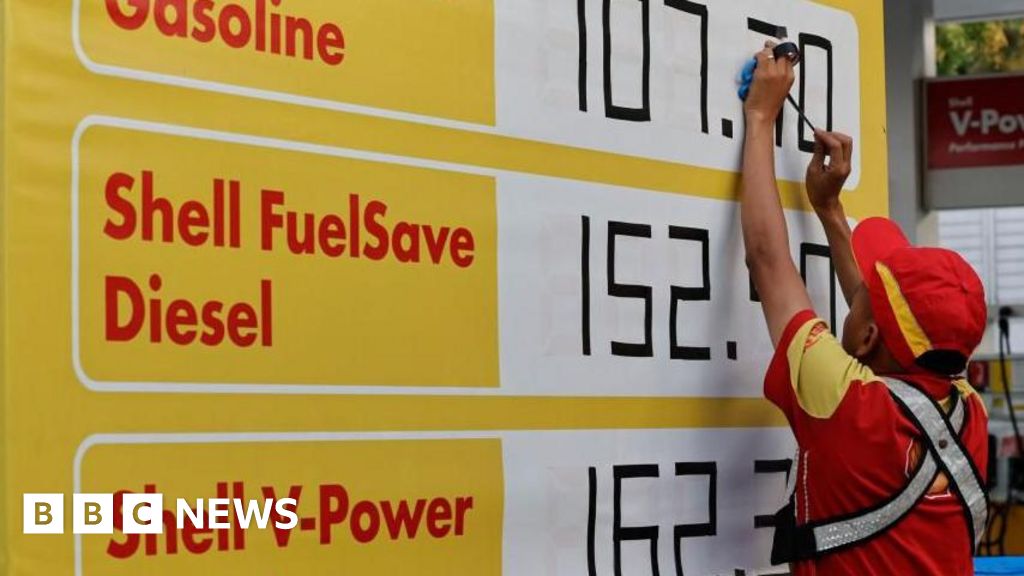
Brent crude rose ~1.4% to $111.33/bbl and US oil climbed 2.8% to $115.61/bbl as markets reacted to a Trump deadline for Iran to reopen the Strait of Hormuz. Disruptions to shipping through the strait — which handles roughly 20% of global oil and gas flows — and Iran's threats have pushed energy prices higher, raising global inflation risks and threatening supply for energy-dependent Asian economies such as Japan and South Korea.
Upstream producers and shipping owners are the clean, immediate optionality here: sustained disruption increases realised revenue per barrel for producers and pushes charter rates and insurance premiums higher for tankers and LNG carriers. The most relevant transmission to markets is not just a higher headline oil price but a rise in logistics frictions (voyage time, war-risk premia) that compresses effective throughput capacity — meaning even modest additional outages can produce outsized inventory draws over 4–12 weeks.
Second-order losers will be Asian refiners and trade-dependent manufacturers: higher feedstock costs plus elevated freight/insurance margins squeeze refinery cracks and raise input costs for Japanese and Korean exporters, increasing the probability of margin compression and negative revisions to earnings 1–3 quarters out. Equally important, the inflation impulse raises the chance of hawkish central bank commentary, which would shave equity multiples in rate-sensitive sectors and amplify volatility across fixed income and FX.
Key catalysts and timeframes to watch: (1) diplomatic breakthroughs or unilateral military actions — either can move the market within 24–72 hours; (2) visible changes in shipping indicators — charter rates, Baltic Clean Tanker index, and ‘war-risk’ premium updates will lead price moves over 1–6 weeks; (3) inventory prints and SPR sales can blunt rallies but typically take 2–8 weeks to fully transmit. The main tail risk is a short, sharp strike that eliminates Iran’s targeting capability — a de-escalation that would collapse the premium almost immediately; conversely, escalation into wider regional involvement would institutionalise a multi-month structural premium.
AI-powered research, real-time alerts, and portfolio analytics for institutional investors.
Overall Sentiment
mildly negative
Sentiment Score
-0.30
