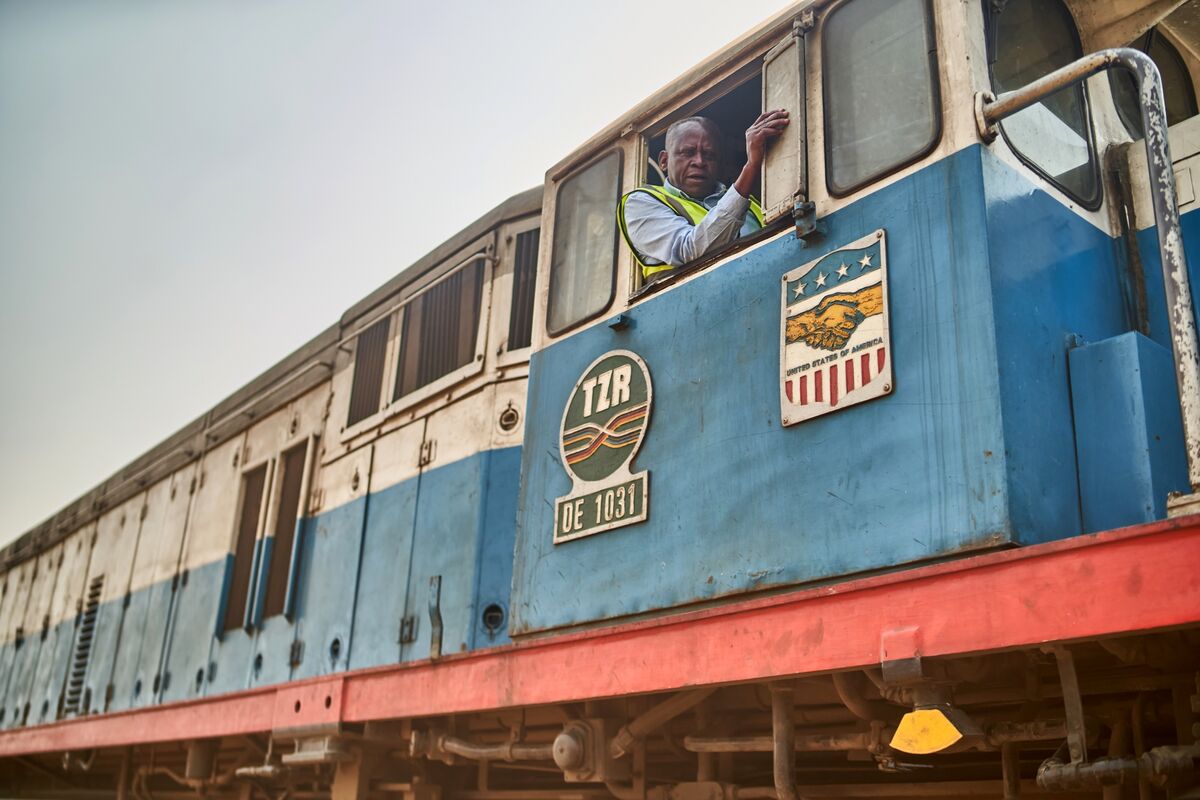
Zambia has launched a $1.4 billion overhaul of a strategic railway linking its copper-producing region to an Indian Ocean port in a ceremony attended by President Hakainde Hichilema, Chinese Premier Li Qiang and Tanzanian Vice‑President Emmanuel Nchimbi — marking the first visit by a Chinese premier to Zambia in nearly 30 years. The project, following a September trilateral agreement, will modernize a Mao‑era route originally financed by Beijing in the 1970s and is aimed at improving export logistics for Zambia’s copper sector and deepening China’s infrastructure ties and influence in the region.
Zambia has launched a $1.4 billion overhaul of a strategic railway linking its copper-producing southern region to an Indian Ocean port, a project inaugurated by President Hakainde Hichilema with Chinese Premier Li Qiang and Tanzanian Vice President Emmanuel Nchimbi present. The ceremony marked the first visit by a Chinese premier to Zambia in nearly 30 years and follows a September trilateral agreement to modernize a route originally financed by Beijing in the 1970s under Mao-era assistance. The explicit attendance by senior Chinese and regional officials underscores Beijing’s renewed infrastructure engagement in southern Africa.
The project is explicitly framed to improve export logistics for Zambia’s copper sector and to deepen China’s infrastructure ties and regional influence, aligning with themes of geopolitics, emerging markets, commodities, trade policy, and transportation. Sentiment signals classify the news as mildly positive with a modest market-impact score (0.3), implying incremental rather than transformative market reaction absent further detail on capacity gains or timelines. Investors should therefore view this as a catalytic but gradual potential boost to copper export efficiency rather than an immediate supply shock.
Key implications for markets include potential long-term reductions in logistics costs and transit time for Zambian copper exports if upgrades increase throughput or reliability, which would benefit commodity producers and regional logistics providers. Material upside depends on execution, financing terms and delivery schedules—factors not detailed in the article—so primary risks remain implementation delays, coordination among the three governments, and any contingent liabilities tied to Chinese financing agreements. Monitor project milestones, reported capacity changes and any public disclosure of financing conditions to assess economic and sovereign-risk impacts.
AI-powered research, real-time alerts, and portfolio analytics for institutional investors.
Request DemoOverall Sentiment
mildly positive
Sentiment Score
0.33
