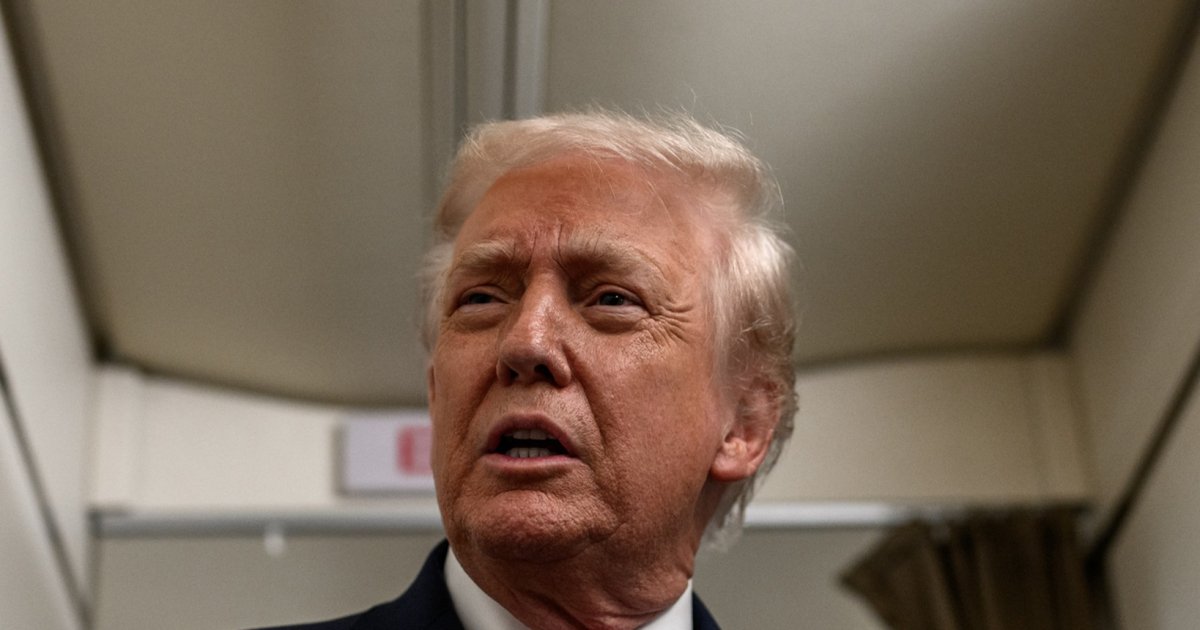
G7 leaders from Italy, Germany, France, Canada, the United Kingdom and the European Commission plan to meet US President Donald Trump in Davos, with Ukrainian President Volodymyr Zelensky also attending, to press for Trump's personal commitment to security guarantees for Ukraine after hostilities end. Insiders say Trump's consent is viewed as essential for deploying multinational forces, and the initiative reiterates promises previously made to Ukraine by the UK and France, with implications for the feasibility of coalition-backed post-conflict security arrangements.
Market structure: A US refusal to underwrite post-hostilities security increases demand for traditional defense primes and munitions suppliers (Lockheed LMT, Northrop NOC, Raytheon RTX, ITA ETF) while extending commodity and energy dislocations (Brent/WTI, wheat). Conversely, a US commitment would be a de-risking event that favors cyclicals and European financials (Eurostoxx) and would likely cap energy and gold rallies. Expect pricing power to shift to heavy-equipment OEMs and ammo specialists on prolonged fighting; reconstruction winners (engineering, intel contractors) benefit only after hostilities end.
Risk assessment: Key tail risks: 1) Trump declines — high-impact persistence of conflict (we estimate 35–55% probability) driving oil/wheat +15–30% and defense equities +15–40% over 3–12 months; 2) Trump commits — rapid derisking (25–45% probability) causing energy -8–15% and defense mean-reversion in 1–3 months. Hidden dependencies include US logistics commitment, election-driven policy shifts, and allied force-readiness; catalysts are public statements at Davos (48–72 hours) and any correlated sanctions or supply-chain announcements.
Trade implications: Tactical lean: long defense exposure pre-emptively (6–12 month horizon) and dynamic energy/commodity options conditional on Davos outcome. Use volatility-sensitive instruments (3–6 month call spreads on XLE/Brent if Trump declines; protective puts on ITA if a surprise de-risk occurs). Rotate toward European industrials/reconstruction names post-confirmation of guarantees.
Contrarian angles: Consensus prices in either “permanent escalation” or immediate de-risk; both can be wrong. If Trump backs guarantees, short-term defense premiums should compress faster than fundamentals justify — sell into that squeeze. Longer-term underappreciated trade is selective European mid-cap defense and ammunition makers (higher margin, less US-cyclical exposure) which could compound returns over 12–36 months as reconstruction funding materializes.
AI-powered research, real-time alerts, and portfolio analytics for institutional investors.
Request DemoOverall Sentiment
neutral
Sentiment Score
0.00
