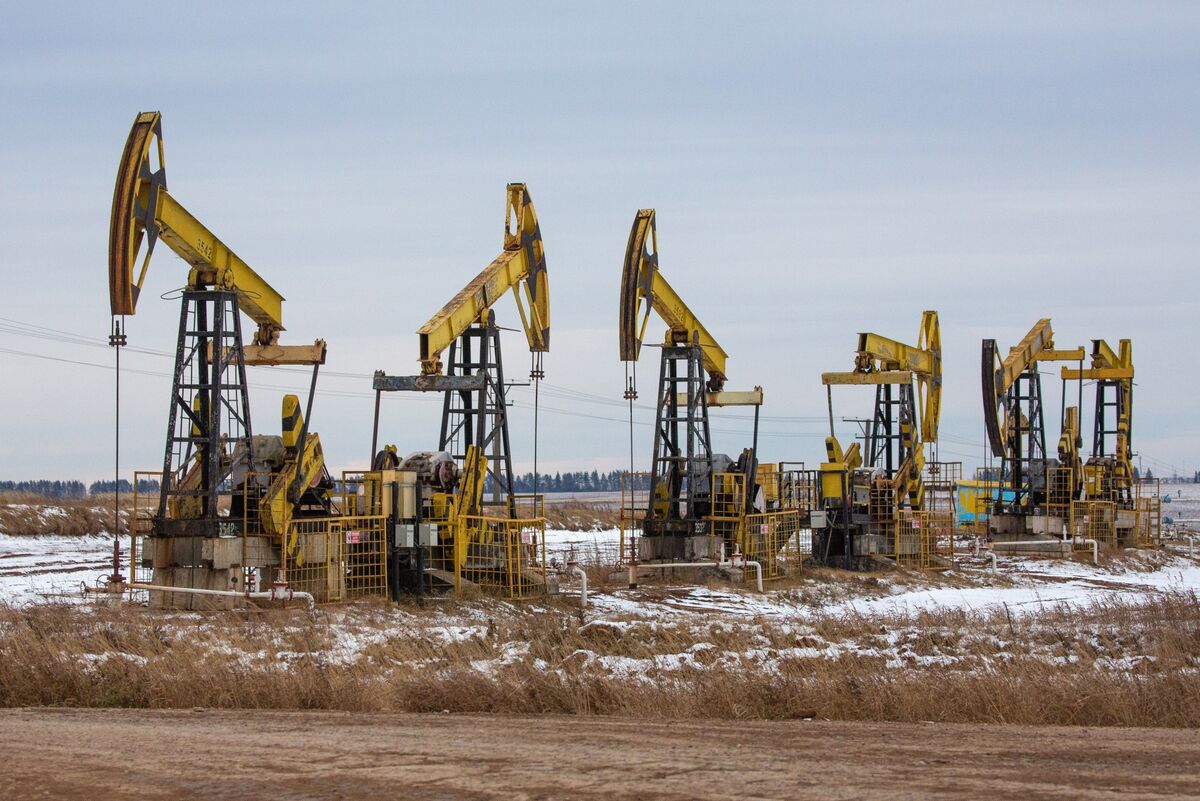
Ukraine said it is still unsure how the US will enforce its stance on Russian oil after Washington allowed a waiver for Russian crude purchases to expire. Finance Minister Serhiy Marchenko described the situation as unclear, indicating policy uncertainty rather than an immediate shift in market conditions. The main impact is on sanctions enforcement expectations and broader Russia-related energy flows.
The market implication is less about the immediate waiver expiry and more about optionality around enforcement intensity. When policy visibility is poor, the first reaction is usually a modest risk premium in crude, but the second-order move is in the spread between sanctioned and non-sanctioned barrels: compliant supply becomes more valuable, while stealth-discount flows can widen differentials and distort regional refining margins. That tends to favor producers and traders with flexible logistics, and penalize entities dependent on short-haul Russian feedstock or opaque arbitrage chains.
For energy equities, the key question is whether this becomes a durable tightening of physical balances or just a headline spike. If enforcement is inconsistent, the price impact may fade quickly, but if banks, insurers, and shippers begin treating Russian cargoes as higher-risk over the next 1-3 months, the constraint shows up in freight, insurance premia, and financing terms before it shows up in outright barrels. That creates a lagged bullish setup for Atlantic Basin refiners and integrated majors with diversified supply, while smaller refiners with concentrated crude slates face margin compression.
The contrarian view is that the market may be underestimating political flexibility: ambiguous messaging often precedes carve-outs, workarounds, or delayed enforcement rather than a clean supply shock. In that case, outright long oil is a mediocre expression; the better trade is relative value on dislocation and volatility. The cleanest payoff comes from owning optionality on a policy surprise while fading names that are most exposed to crude cost inflation but least able to pass it through.
Near term, expect the catalyst path to be driven by shipping/insurance disclosures, customs data, and any Treasury language on enforcement. If those confirm tighter compliance, the impact can compound over weeks, not days, because sanctioned flows reroute slowly and counterparties reprice risk cumulatively. If not, the market will likely retrace most of the move, making this a short-lived event unless broader geopolitical escalation appears.
AI-powered research, real-time alerts, and portfolio analytics for institutional investors.
Request DemoOverall Sentiment
neutral
Sentiment Score
-0.10
